
Plants
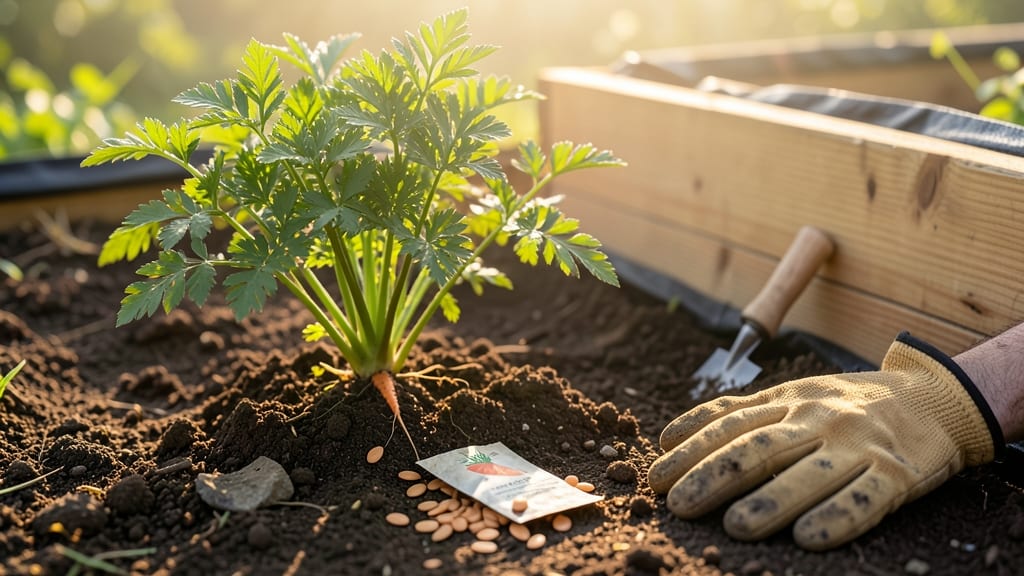
If you've ever planted carrot seeds in Ohio only to watch frost nip your tender sprouts or summer heat turn them woody, you’re not alone. The secret to growing sweet, crisp 🥕 lies in planting them at the perfect moment—when soil temperatures and frost dates align just right.
Ohio’s USDA Zone 6a climate means two ideal windows: early spring (March–April) and late summer (August–September). Plant too early, and frost will strike; too late, and your harvest might arrive after the first hard freeze.
I’ll break down the exact frost-free timeline so you can time your plantings like a pro.
Whether you’re a beginner or a seasoned gardener, knowing when to sow your seeds is the first step to a bountiful harvest. You’ll learn how to avoid common mistakes, like planting too deep or ignoring soil moisture, and discover the best varieties for Ohio’s unpredictable weather.
Let’s get your carrots growing strong—no more guesswork, just sweet, homegrown success. Ready to dig in?
Ohio carrot planting calendar: best months by region
Ohio’s diverse climate zones mean your neighbors might be harvesting carrots while yours are still seeds. Northern Ohio’s last frost date can be weeks later than Southern Ohio, so timing matters.
For USDA Zones 5b–6b, I’ll break down the exact planting windows by region, including soil temperature requirements and frost adjustments.
Carrot seeds need soil temperatures between 50–85°F to germinate. In Ohio, this typically aligns with late March to early April for spring plantings and mid-August to early September for fall crops. But don’t guess—use these region-specific guidelines to avoid frost damage or woody roots.
Northern Ohio (Zones 5b): Your last frost date is often April 20–May 1. Start seeds indoors in late March and transplant after frost, or sow directly in early to mid-April. For fall, plant by August 15 to harvest before the first frost (October 15–20).
Central Ohio (Zone 6a): With a last frost around April 15, you have a slightly longer window. Direct-sow seeds in mid-March to early April or start indoors in late February. Fall plantings should begin by August 1 for a harvest before October 15.
Southern Ohio (Zone 6b): Warmer microclimates let you plant earlier and later. Sow seeds outdoors in February to early March or push fall plantings to early September. Just ensure soil stays above 50°F—cold soil delays germination.
Pro tip: Use a soil thermometer to confirm temperatures before planting. Carrot seeds won’t sprout in cold soil, even if frost isn’t a threat. Aim for consistent warmth—this is why Central Ohio often gets a head start on Northern areas.
Ohio’s late-spring false starts are tricky. A warm week in March might tempt you to plant, but a late frost can still kill seedlings. Wait until the nighttime lows stay above 40°F for 3–5 days before sowing.
For fall plantings, prioritize short-day varieties like ‘Paris Market’ (50 days) to harvest before frost. Longer-season types (e.g., ‘Danvers’) may not mature in time. Plant 8–10 weeks before your first frost date—this ensures roots bulk up before cold sets in.
Don’t forget: Ohio’s clay-heavy soil can compact easily, slowing germination. Loosen soil to 12 inches deep and mix in compost to improve drainage. This is especially critical in Northern Ohio, where wet springs delay planting.
🌱
Ohio carrot planting calendar: best months by region
Ohio’s USDA Zone 6a climate creates two perfect windows for planting carrot seeds: early spring and late summer. The key is avoiding frost while ensuring soil temperatures stay between 50–85°F.
Northern Ohio’s last frost typically hits around April 15, while Southern Ohio can start planting 2–3 weeks earlier. Here’s your region-specific guide to timing it right.
For spring plantings, aim for late March to mid-April in Southern Ohio and early April in Northern regions. Soil should be at least 50°F—use a soil thermometer to check.
If you’re in Central Ohio, mid-April is your sweet spot. Fall plantings should begin in late August for a harvest before the first frost in mid-October.
🌱 Pro Tip: Use row covers for early spring plantings to protect seedlings from late frosts.
Planting carrot seeds too early in cold soil can lead to poor germination. Always wait until the soil is workable and frost-free. For fall crops, sow seeds 8–10 weeks before the first frost to ensure a harvest before winter sets in.
This means starting in late August for Northern Ohio and mid-September for Southern regions.
🌡️ Soil Temperature Check: Use a soil thermometer to confirm temps are ideal before planting. If the ground is still chilly, wait a few more days.
Ohio’s clay-heavy soil can compact easily, stunting carrot growth. Amend your beds with compost or sand to improve drainage and loosen the soil. This is especially critical in Northern Ohio, where soil stays damp longer. For continuous harvests, stagger plantings every 2–3 weeks from spring through early summer.
✅ Ready to Plant: When soil is warm, frost is gone, and your seeds are ready to sprout—you’re set for a bountiful carrot harvest!