
Plants
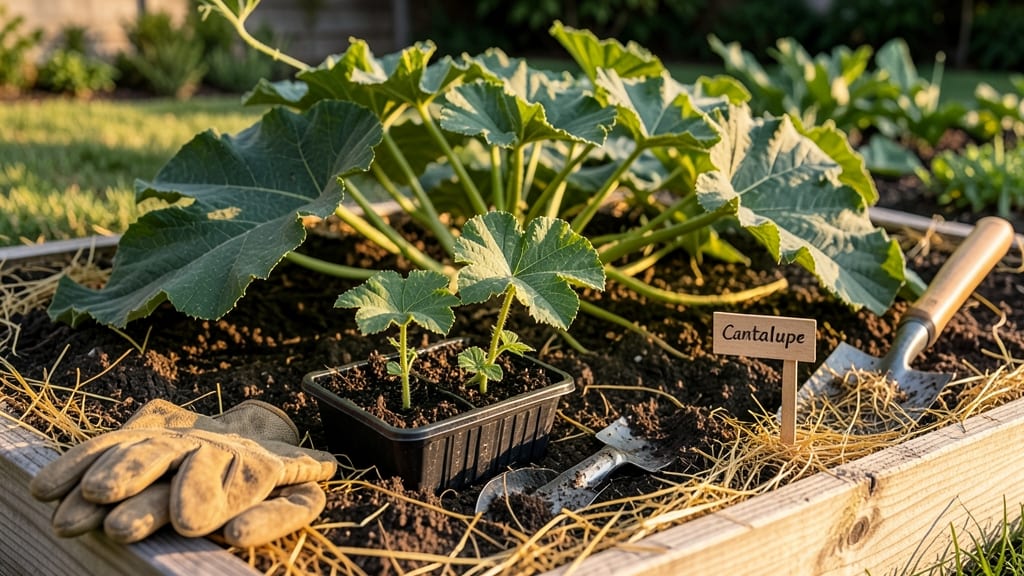
Timing your cantaloupe planting in Ohio could mean the difference between a bountiful harvest and wasted effort. The perfect window starts mid-April through early May, but Ohio’s 6a climate zone throws a wrench into the plan with unpredictable frost dates.
Planting too early risks bolting, while waiting too long might leave your vines struggling in summer heat.
I’ve grown cantaloupes in Ohio for years, and the key isn’t just the calendar—it’s the soil temperature. You’ll want to wait until the ground hits at least 70°F, which often means holding off until late May in colder regions.
Black plastic mulch can shave weeks off that wait, but even then, a false spring can send your seedlings into a panic.
What if you miss the ideal window? Don’t panic—succession planting and heat-tolerant varieties like ‘Hale’s Best’ can still save your harvest. I’ll walk you through the exact strategies to extend your growing season, from row covers to companion planting, so you’re not left with empty vines by July.
Ready to avoid the most common mistakes and maximize your cantaloupe yield? Let’s break down the science, the tools, and the proven tactics that actually work in Ohio’s tricky climate—no guesswork required.
Ohio’s last frost dates and cantaloupe planting windows (with exact week targets)
Ohio’s last frost dates vary wildly—from mid-April in southern Ohio to early May in the north. These differences mean your cantaloupe planting timeline must shift depending on your USDA Zone 5b-6a location.
For example, Columbus gardeners have a 2-week advantage over Cleveland growers, and even a 3-week difference separates Toledo from Youngstown.
Cantaloupes are warm-season crops that hate cold soil. Planting too early triggers bolting (rapid flowering), while waiting too long shortens your harvest window. The sweet spot is 2-3 weeks before your last frost—but with Ohio’s unpredictable springs, backup plans are essential.
Here’s how to align your planting with Ohio’s microclimates, including soil temperature and seed-starting hacks to maximize your chances of a 75-day harvest before Ohio’s first frost in mid-October.
Ohio Cantaloupe Planting Timeline by Region
| Region | Last Frost (Avg.) | Indoor Start (Weeks Before Last Frost) | Outdoor Planting Window | Soil Temp Requirement |
|---|---|---|---|---|
| Southern Ohio (e.g., Cincinnati, Dayton) | Mid-April | 3-4 weeks before last frost (early March) | Late April to early May | 70°F+ |
| Central Ohio (e.g., Columbus, Cleveland) | Early May | 3 weeks before last frost (late March) | Early to mid-May | 70°F+ |
| Northern Ohio (e.g., Toledo, Youngstown) | Early May | 4 weeks before last frost (late March) | Mid-May | 70°F+ |
| Backup Plan for Late Springs | N/A | Use row covers or black plastic mulch | Late May (with protection) | 70°F+ |
*Use a soil thermometer to confirm 70°F+ before planting outdoors.
For southern Ohio, start seeds indoors by early March and transplant after Mother’s Day (around mid-May).
In central Ohio, delay until late March for indoor starts, with outdoor planting in early May. Northern Ohio gardeners should push indoor starts to late March and hold off on outdoor planting until mid-May.
Pro tip: Black plastic mulch can warm soil by 5-10°F, letting you plant 1-2 weeks earlier in Ohio’s cooler zones. Lay it down 2 weeks before planting to maximize heat absorption. Pair this with row covers for an extra 2-3 weeks of protection if late frosts strike.
If Ohio’s unpredictable springs throw off your timeline, don’t panic. Succession planting every 2 weeks after your initial window ensures a staggered harvest. For example, plant a second batch in late May to extend your cantaloupe season into August.
Always check soil temperature with a thermometer—cantaloupes won’t germinate below 60°F, and growth stalls below 70°F. If your soil is still cold in May, opt for heat-tolerant varieties like ‘Hale’s Best’ or use greenhouse starts.
Missed the window? Don’t give up. Late plantings in June can still produce fruit if you choose fast-maturing varieties (like ‘Athena’, which matures in 60 days) and prioritize sun exposure and water consistency.
Remember: Ohio’s 165 frost-free days are precious. Plan your cantaloupe schedule around July harvests to avoid early fall frosts, and always have a backup plan for those late-spring surprises.
How to prevent cantaloupe bolting in Ohio’s unpredictable spring (proven tactics)
Ohio’s false springs and chilly nights can send cantaloupe seedlings into a bolting frenzy—where they flower prematurely and produce bitter, undersized fruit. I’ve lost more cantaloupes to bolting than I’d like to admit, but these proven tactics have saved my harvests year after year.
The key is controlling soil temperature and protecting young plants from temperature swings.
First, test your soil temperature before planting. Cantaloupes need at least 70°F soil to thrive, and anything below 60°F triggers bolting. Use a soil thermometer—don’t guess! In northern Ohio, this often means waiting until late May or early June.
Black plastic mulch can add 5-10°F to soil warmth, but even then, a late frost can undo your progress.
Row covers are my secret weapon for extending the season. Lightweight fabric (like Reemay) lets sunlight through while trapping heat. Install it right after planting and remove it when flowers appear to allow pollination. Just be sure to secure the edges tightly—Ohio’s wind gusts can rip them apart in seconds.
Shade cloth is another game-changer, especially for seedlings. If daytime temps soar above 85°F before your plants are established, drape 30-50% shade cloth over them for a few hours. This mimics the gradual heat acclimation cantaloupes need. I’ve seen seedlings double in size without bolting when using this trick in June heatwaves.
⚠️ Avoid These Bolting Triggers
- Planting too early – Seedlings exposed to 50°F nights bolt within days.
- Overcrowding – Competing plants stress vines, triggering early flowering.
- Nitrogen-heavy fertilizer – Too much greens-up foliage but delays fruiting.
- Skipping mulch – Cool, wet soil slows root growth and stresses plants.
Pro Tip: If your seedlings bolt, prune the flowers immediately—the plant may still produce fruit later in the season.
For succession planting, start a second batch indoors 4-6 weeks before your target outdoor date. Use grow lights to maintain 75°F soil temps in seedling trays.
Transplant these hardened-off seedlings after your first batch flowers to stagger your harvest. This ensures you’re not left with a single failed batch if spring turns cold again.
Finally, companion planting with bush beans or radishes can improve soil warmth and deter pests like cucumber beetles, which stress cantaloupe vines. Avoid planting near potatoes or pumpkins, though—they compete for nutrients and space.
With these tactics, you’ll delay bolting and enjoy sweet, ripe cantaloupes from July through August.