
Plants
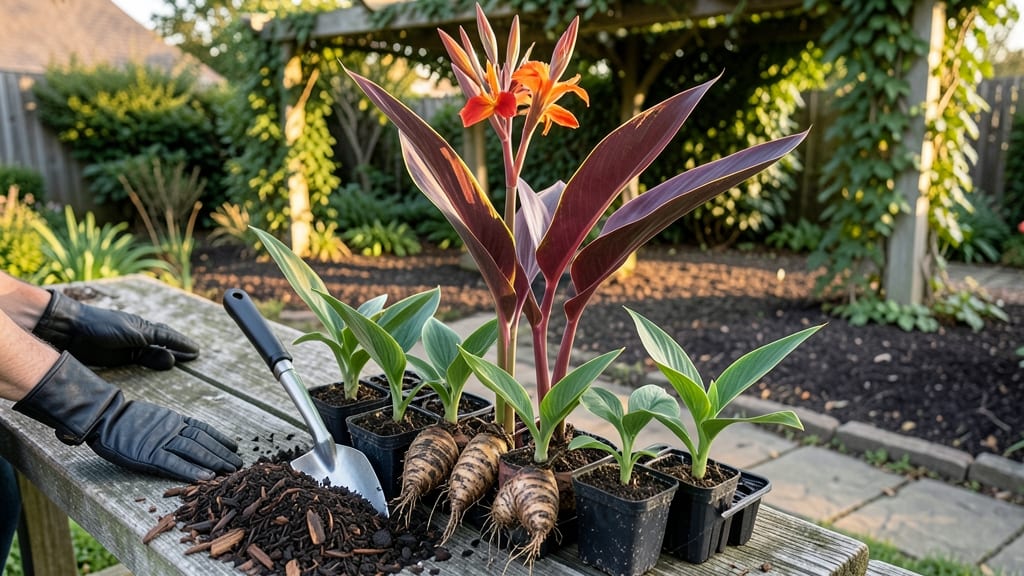
If you’ve ever watched your cannas 🌺 wither under Kansas’ unpredictable spring weather, you know when to plant cannas in Kansas is everything. Planting these tropical beauties too early risks frost damage, while waiting too long means missing their stunning summer blooms.
The secret lies in waiting until after your last frost—typically mid-to-late spring—but there’s more to it than just dates. Soil temperature, regional microclimates, and even mulching strategies can make or break your cannas’ survival in zones 5b-7a.
I’ll break down the exact window (and why it matters), plus soil prep tricks to give your cannas the head start they crave. No more guesswork—just vibrant, frost-free growth.
Ready to transform your garden into a canna paradise? Let’s dive into the perfect planting schedule for Kansas summers you’ll love.
Kansas frost dates and ideal canna planting windows
Kansas gardeners face a unique challenge with cannas—these tropical beauties love heat but can't tolerate frost. The key to success lies in understanding your USDA Zone (5b-7a) and planting after the last average frost date.
In most of Kansas, this falls between April 15 and May 1, but timing varies by region.
For Zone 6 areas (north/central Kansas), wait until mid-May when soil temperatures consistently stay above 60°F. Gardeners in Zone 7 (southwest Kansas) can plant as early as late April, but always verify with your local Cooperative Extension Service for precise frost data.
Canna rhizomes need warm soil to sprout—cold ground will stunt growth or kill them outright. Use a soil thermometer to confirm temperatures before planting. In Kansas, this typically happens 2-3 weeks after the last frost, giving you a narrow but critical window.
Here’s the golden rule: Plant cannas after your region’s last frost date, but no later than June 1. Late plantings may not establish roots before summer heat sets in, leading to stressed plants with fewer blooms.
| Kansas Region | USDA Zone | Last Frost Date | Ideal Planting Window | Soil Temp Requirement |
|---|---|---|---|---|
| Northwest Kansas | Zone 5b | May 1 - May 15 | Mid-May to early June | 60°F+ (consistent) |
| Central Kansas | Zone 6a | April 20 - April 30 | Late April to mid-May | 60°F+ (consistent) |
| Southeast Kansas | Zone 7a | April 1 - April 15 | Late March to April | 55°F+ (minimum) |
| Southwest Kansas | Zone 7a | March 20 - April 5 | Early April to mid-April | 55°F+ (minimum) |
Pro tip: If you’re eager to plant early, use a soil warming trick—lay black plastic mulch over the bed for 1-2 weeks before planting. This raises soil temperature by 5-10°F, creating a safer environment for canna rhizomes.
Once planted, cannas thrive in Kansas’ hot summers, but they need time to establish roots. Aim for a 2-3 week head start before extreme heat arrives. In Zone 6, this means planting by mid-May; in Zone 7, you can stretch it to early June.
For gardeners in microclimates (like urban heat islands or sheltered valleys), you may push planting 1-2 weeks earlier. Always monitor local weather forecasts for unexpected late frosts, which can devastate young canna shoots.
Remember: Cannas are not frost-hardy. Even a light freeze will kill them, so never rush planting. Patience now means stunning summer blooms later—worth the wait!
Step-by-step canna planting timeline for Kansas gardens
Timing your canna planting in Kansas isn’t just about avoiding frost—it’s about giving these tropical beauties the 60°F+ soil warmth they crave to establish strong roots before summer’s heat arrives.
My April-June planting timeline breaks down the exact steps to follow, from soil prep to post-planting care, tailored to Kansas’ Zone 5b-7a climate.
Start by testing your soil temperature with a soil thermometer—cannas won’t thrive until the ground consistently hits 60°F for 2-3 days. In most of Kansas, this typically occurs between mid-April (southern regions) and early May (northern areas).
Mark these dates on your calendar now to avoid the late-May heatwave that can stress newly planted rhizomes.
Pro tip: In Zone 6 areas, where frosts linger longer, wait until after May 15 to plant. Use a soil warming trick—cover beds with black plastic mulch 1-2 weeks before planting to accelerate soil warming. This can shave off critical days in Kansas’ short growing season.
Once your cannas hit 2 feet tall (usually by late June), they’ll need supporting stakes if you’re growing taller varieties like ‘Striped’ or ‘Pactolus’. In Kansas’ windy conditions, this prevents flopping and broken stems during summer storms.
Pair this with regular deadheading to encourage non-stop blooms through September.
By following this timeline, you’ll give your cannas the head start they need to outpace Kansas’ 100°F+ summers and reward you with bold, tropical blooms that last until the first frost.
The key? Patience in spring and consistency in summer—just like the Kansas gardener’s motto: “Slow start, big finish”.