
Plants
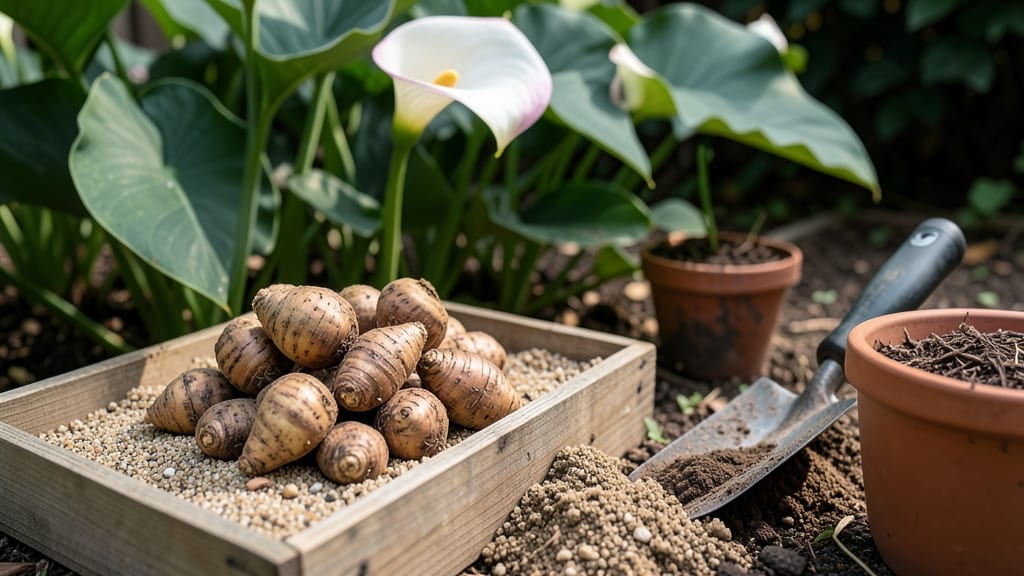
Planting your calla lily bulbs at the wrong time in Zone 6 could mean the difference between lush, 🌸show-stopping blooms and sad, wilted disappointment. Unlike other perennials, these elegant plants need precise timing—too early and frost zaps their energy, too late and they miss peak growing season.
Zone 6 gardeners face a unique challenge: balancing last frost dates around mid-April with soil temperatures that need to hit at least 60°F before bulbs go in. I’ve learned the hard way that rushing planting can leave your calla lilies struggling, while waiting too long cuts their blooming window short.
What you’re about to discover is the exact late spring to early summer window that works for Zone 6—plus soil prep secrets and care tips to ensure your bulbs thrive. Let’s turn your garden into a summer-long display of these striking flowers.
Whether you’re a first-time planter or refining your routine, these insights will help you avoid common mistakes and get the most from your 🌸 calla lilies. Ready to plant with confidence?
Optimal soil temperature & frost-free window for planting calla lily bulbs in Zone 6
Calla lilies (Zantedeschia) thrive in Zone 6 when planted at the right soil temperature and after the last frost date. Unlike tropical plants, they can tolerate light frosts but struggle when soil stays below 50°F.
The ideal window balances warm soil and frost-free nights—typically late spring to early summer.
In Zone 6, the average last frost date falls around April 15, but microclimates (like urban heat islands or sheltered valleys) can shift this by 2-3 weeks. Always confirm your local frost dates using the USDA Plant Hardiness Zone Map or a local weather station.
Calla lily bulbs need soil temperatures of 50–60°F to sprout consistently. Use a soil thermometer to check depth (2–3 inches). If your soil warms slower, wait until mid-May to avoid frost heave—when bulbs push up and crack due to freeze-thaw cycles.
Here’s how to calculate your personalized planting window:
- Note your last frost date (e.g., April 15 for Zone 6a).
- Add 2–4 weeks to account for soil warming.
- Plant when soil hits 55°F (use a soil thermometer for accuracy).
- Adjust 1 week earlier for south-facing beds or 1 week later for north-facing spots.
| Stage | Action | Soil Temp | Frost Risk |
|---|---|---|---|
| Prep Soil | Amend with compost; ensure drainage | 40–50°F | High (before last frost) |
| Plant Bulbs | 2–4" deep, 6–12" apart | 55–60°F | Low (after last frost) |
| Mulch | 2–3" organic mulch (straw) | 60°F+ | None (summer) |
| Fertilize | Balanced 5-10-10 after sprouts appear | 65°F+ | None (active growth) |
For Zone 6b (warmer microclimates), you can plant as early as mid-April if soil reaches 55°F. In Zone 6a (colder), wait until early May to avoid frost damage. Test soil moisture too—well-draining soil prevents rot, especially in clay-heavy gardens.
Pro tip: Plant calla lilies in containers if your spring is unpredictable. Move pots indoors before the first frost (October 15 in Zone 6) or mulch heavily for overwintering. This extends your blooming season into late summer.
If you’re unsure about your local frost dates, check resources like the Old Farmer’s Almanac or your state’s agricultural extension office. They provide hyperlocal data that beats generic zone guidelines. For example, Chicago (Zone 6a) often has later frosts than Raleigh (Zone 6b).
Remember: Calla lilies hate soggy soil. If your area gets heavy spring rains, plant on a mound or raised bed to improve drainage. This is especially critical in Zone 6’s humid summers, where poor drainage leads to root rot.
Once planted, water deeply once a week (1–1.5 inches) to encourage strong roots. Avoid overhead watering—drip irrigation or soaker hoses keep foliage dry and reduce fungal diseases like leaf spot.
By mastering these soil temperature and frost-free timing cues, your calla lilies will reward you with bold blooms from July to September—just in time for summer container gardens and cut flower arrangements.
Optimal soil temperature & frost-free window for planting calla lily bulbs in Zone 6
Zone 6 gardeners must align calla lily bulb planting with two critical factors: soil temperature and frost-free dates. Unlike tropical plants, calla lilies need warm soil (50-60°F) to thrive, but planting too early risks frost heave—when bulbs push up and freeze.
In Zone 6, the average last frost date falls around April 15, but your local microclimate may vary by 1-2 weeks. Always check your USDA Plant Hardiness Zone Map and track soil temps with a soil thermometer—planting when soil hits 60°F ensures strong root growth.
Here’s the golden window for Zone 6: late April to mid-May. This timing balances frost risk with warm soil, giving your bulbs 120+ days to establish roots before summer heat arrives.
| Factor | Zone 6 Specification | Action Item |
|---|---|---|
| Soil Temperature | 50–60°F | Use a soil thermometer; wait until consistent temps |
| Last Frost Date | April 15 (varies by location) | Plant 2–3 weeks after last frost for safety |
| Planting Window | Late April–Mid-May | Avoid June planting—bulbs need time to root before summer |
| Frost Risk | 10% chance after April 15 | Use row covers if late frost threatens |
Pro tip: If your soil stays below 50°F past May, consider container planting—pots warm up faster and let you move bulbs indoors if frost returns unexpectedly.
For early blooms, aim for April planting (if soil is warm enough), while late-season color can be achieved by planting in early fall (September) for overwintering. Always mulch heavily after planting to insulate bulbs from temperature swings.
Remember: Calla lilies hate soggy soil. Amend heavy clay with compost or perlite to ensure drainage—this is non-negotiable for Zone 6’s unpredictable spring rains.