
Plants
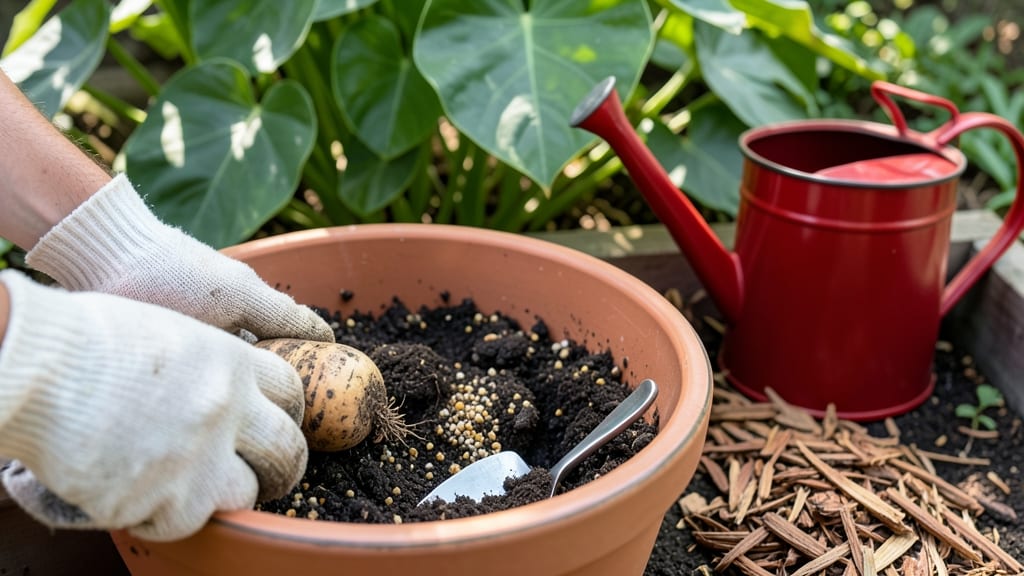
Timing your caladium bulb planting in Texas can mean the difference between vibrant, heat-resistant foliage and sad, wilted leaves before summer even begins.
If you’ve ever watched your caladiums struggle under Texas’ relentless sun, you’re not alone—many gardeners miss the ideal window of February to April, when soil temperatures finally cooperate.
Here’s the truth: caladiums thrive in USDA Zones 8a-11, but their success hinges on planting after the last frost—typically by mid-February in North Texas or as early as January in South Texas.
The key isn’t just avoiding frost; it’s waiting for soil to warm to at least 60°F, ensuring roots establish before the heat hits.
In this guide, I’ll break down the exact planting timeline for your region, plus heat-proofing tips like mulching and shade strategies to keep your caladiums lush. Whether you’re in Houston or El Paso, these tricks will help you grow stunning, sun-resistant foliage all season long.
Ready to skip the guesswork? Let’s dive into the perfect planting schedule and care routine tailored for Texas’ brutal summers—so you can enjoy those showstopping leaves without the stress.
Texas-specific caladium planting timeline by climate zone
Texas’ diverse climate means your caladium planting window can vary by 1-2 months depending on whether you’re in North, Central, or South Texas. The key is waiting until soil temperatures hit 70-75°F—this prevents heat shock and ensures vibrant foliage. Let’s break down the exact timing for each zone.
For North Texas (USDA Zones 8a-8b), like Dallas or Fort Worth, aim for mid-to-late March after the average last frost date of February 15. Soil should be warm enough to hold moisture without cooling overnight.
In Central Texas (Zones 8b-9a), including Austin, you can plant as early as late February once daytime temps stay above 65°F consistently.
In South Texas (Zones 9b-11), like Houston or San Antonio, the window opens even earlier—January 15 to February 15. Here, caladiums can handle the heat better, but avoid planting before January 1 to prevent cold snaps from damaging tender bulbs.
Always check your local frost-free date for precise timing.
| Zone | Last Frost Date | Ideal Planting Window | Soil Temp Threshold | Heat Risk |
|---|---|---|---|---|
| North Texas (8a-8b) | Feb 15 | Mid-to-late March | 70-75°F | High (May-July) |
| Central Texas (8b-9a) | Feb 1 | Late Feb-Mid March | 68-72°F | Very High (June-Aug) |
| South Texas (9b-11) | Jan 1 | Jan 15-Feb 15 | 65-70°F | Extreme (April-Sept) |
Pro tip: Use a soil thermometer to confirm readiness. Stick it 2 inches deep in the ground—if it reads below 65°F, wait a week.
In South Texas, I’ve planted as early as January 10 when soil temps hit 68°F, but only with heavy mulch to protect bulbs from late cold snaps.
Missed the window? No problem! Caladiums thrive in containers too—just plant them after April 1 and keep them in partial shade on patios or balconies. They’ll still deliver bold foliage without the heat stress of in-ground planting.
Once planted, focus on watering deeply 2-3 times per week to establish roots before summer hits. Shallow watering leads to weak stems and faded colors—don’t skip this step! Mulch with 2-3 inches of shredded bark to lock in moisture and regulate soil temps.
If you’re in East Texas (humid climate), watch for fungal issues like leaf spot. Space bulbs 12-18 inches apart and avoid overhead watering. In West Texas (dry climate)organic matter helps retain moisture longer.
Remember: Caladiums are tender perennials—they’ll die back in frost but return if bulbs survive. In North Texas, dig them up before first frost (usually November 15) and store in dry peat moss at 60-65°F for next year.
For maximum color retention, avoid planting in full sun. Even in South Texas, afternoon shade is critical. Use dappled shade from trees or 50% shade cloth if needed—your caladium’s foliage vibrancy depends on it!
Preventing heat shock: pro tips for Texas gardeners
Texas summers can turn your caladium bulbs into crispy casualties if you’re not careful. The key to survival? Acclimating bulbs gradually and shielding them from the harsh 90°F+ heat that hits as soon as planting season ends.
I’ve learned the hard way—skipping this step means wilting leaves within days, no matter how perfect your timing was.
Start by hardening off your bulbs if you’ve bought them from a nursery. Place them in a shady, sheltered spot for 3-5 days before planting. This mimics the gradual shift from indoor conditions to outdoor heat.
Think of it like letting your plants take a Texas sun vacation before diving into the deep end.
Once planted, mulching is non-negotiable. Use a 2-3 inch layer of organic mulch (like shredded bark or straw) to keep soil moisture levels stable and roots cool. This isn’t just about looks—mulch can drop soil temperatures by 10°F or more, making a world of difference in peak summer.
⚠️ Heat Shock Warning
Never plant caladiums under full afternoon sun in Texas. The intense rays between 12 PM and 4 PM will scorch leaves faster than you can say "summer drought." Instead, opt for dappled shade or a spot with morning sun only.
For extra protection, consider using shade cloth (30-50% coverage) during the hottest months. You can drape it over a simple trellis or hoop to create a microclimate that keeps temperatures down.
This is especially critical in Central and South Texas, where heat waves can push temps into the 100°F range.
Watering deeply but infrequently is another game-changer. Instead of light sprinkles, aim for 1-2 inches of water per week, delivered directly to the soil. Early morning watering (before 8 AM) minimizes evaporation and fungal risks.
Pro tip: Use a soaker hose to avoid wetting the leaves, which can lead to leaf spot diseases in our humid summers.
Finally, avoid fertilizing during the peak heat months (June-August). Fertilizer encourages new growth, which stresses plants in high temperatures. Wait until September to give your caladiums a light feed to prep them for their final push of foliage before winter dormancy.