
Plants
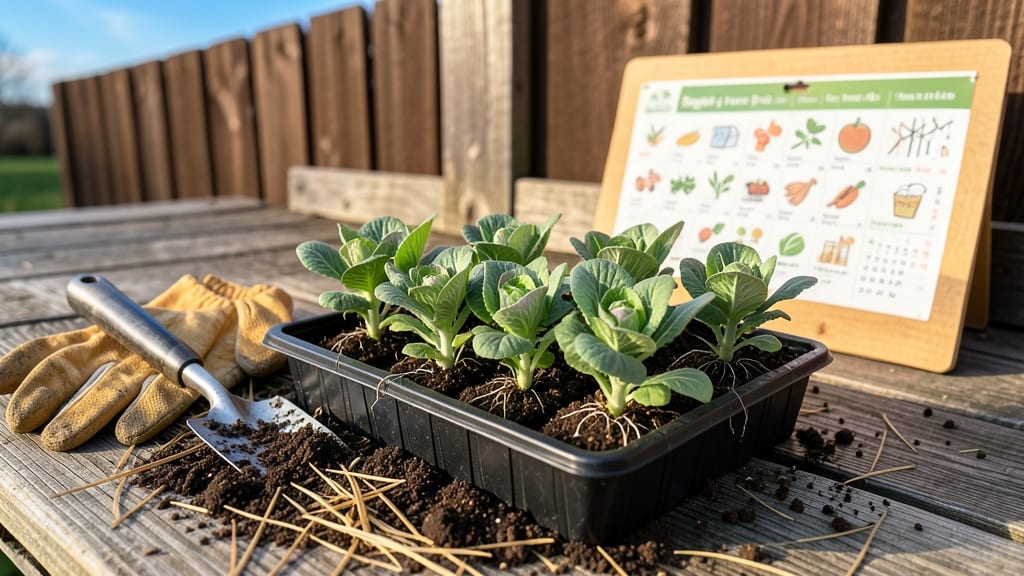
If you've ever watched your 🥬 cabbage plants bolt into bitter stalks instead of forming sweet heads, you're not alone—especially in Zone 8b where timing is everything.
The key to avoiding this common pitfall lies in planting at the right moment, when temperatures are cool enough to prevent stress but warm enough to avoid frost damage.
In Zone 8b, the perfect window for planting cabbage is late summer to early fall, typically between August and September. This timing ensures your plants mature before winter sets in, giving you a harvest just in time for holiday meals.
But getting it wrong can mean either stunted growth or bolting—neither of which you want when you're dreaming of crisp, fresh heads.
What makes this even trickier is that cabbage varieties behave differently, and some are better suited to Zone 8b's climate than others. I'll share the best types to grow, along with pro tips for soil prep, spacing, and even how to handle heat stress if summer lingers longer than expected.
Let's get your garden set up for success.
By the end of this guide, you'll know exactly when to plant, how to adjust for your specific microclimate, and which varieties will give you the most reliable harvests. No more guessing—just bold, beautiful cabbage that's ready to pick when you are.
Optimal fall planting windows for cabbage in Zone 8b
In Zone 8b, where summers are hot and winters mild, cabbage thrives best when planted during cooler fall months. The key is avoiding heat stress and bolting—both of which ruin your harvest.
For most head cabbage varieties, aim to plant between mid-August and early September for a late fall harvest.
Leaf cabbage varieties like kale or collard greens offer more flexibility, allowing you to plant as late as mid-October. However, they’ll still need 60-70 days to mature before the first frost (December 1 in Zone 8b).
Timing is everything—get it wrong, and you’ll end up with bitter, seed-stalked disappointment instead of crisp, sweet heads.
📅 Direct sowing vs. transplanting matters too. If you’re direct sowing seeds, start in late August for a fall harvest. But if you’re transplanting seedlings (from a nursery or your own starts), wait until early September to give them enough time to establish roots before cooler weather sets in.
| Planting Method | Best Timeframe | Days to Harvest | Notes |
|---|---|---|---|
| Direct Sowing (Seeds) | Mid-August to Early September | 75-100 days | Thin seedlings to 12-18" apart |
| Transplanting (Seedlings) | Early September to Mid-September | 60-75 days | Use 4-6 week old seedlings |
| Late Fall Succession | Mid-October (Leaf Varieties) | 50-60 days | Best for kale, collards, or fast-maturing types |
For head cabbage, the ideal harvest window in Zone 8b is October through November. This gives plants enough time to bulk up before temperatures drop. If you miss this window, don’t despair—spring planting (February to March) is your second chance for a harvest before summer heat arrives.
One critical mistake gardeners in Zone 8b make is planting too early. If you sow seeds in July or early August, your cabbage will bolt—sending up flower stalks instead of forming heads.
To avoid this, always wait until soil temperatures drop below 80°F (check with a soil thermometer) before planting.
Another pro tip: Mulch heavily after planting to keep soil cool and retain moisture. Use straw or shredded leaves (2-3 inches thick) to protect roots from heat stress and temperature fluctuations. This simple step can mean the difference between a bolting disaster and a perfect harvest.
If you’re growing multiple varieties, stagger your plantings every 2-3 weeks from August through September. This succession planting strategy ensures a continuous harvest and reduces the risk of losing your entire crop to pests or weather.
For example, plant one batch in mid-August, another in early September, and a final batch in mid-September for a staggered yield.
Finally, always harden off seedlings before transplanting. If you’re buying seedlings from a nursery, acclimate them to outdoor conditions for 7-10 days before planting. This reduces transplant shock and helps them establish faster in your Zone 8b garden.
With the right timing and a little patience, you’ll enjoy crisp, sweet cabbage heads all fall long—no bitter bolting in sight! 🥬
Optimal fall planting windows for cabbage in Zone 8b
In Zone 8b, the ideal window for planting cabbage stretches from mid-August to early September. This timing ensures your plants mature before the first frost hits around December 1, giving you a harvest window from October to November—just in time for holiday meals.
For head varieties like 'Golden Acre,' aim for 8-10 weeks before your first frost, while leaf varieties like 'Red Express' can tolerate cooler temps and may mature slightly later.
Direct sowing works best in late August when soil temperatures drop below 85°F. If you prefer transplants, start them indoors 6-8 weeks before your target outdoor planting date. This gives seedlings a head start while avoiding the heat stress of direct summer planting.
My personal trick? Use shade cloth over young seedlings if summer lingers, as even a few days above 90°F can trigger bolting.
Here’s a quick breakdown of your Zone 8b planting timeline for fall cabbage:
| Stage | Action | Notes |
|---|---|---|
| Late August | Direct sow seeds | Soil temp < 85°F; thin seedlings to 18" apart |
| Early September | Transplant seedlings | Use 4-6 week old starts; harden off first |
| Mid-September | Succession plant | Sow every 2 weeks for staggered harvests |
| October-November | Harvest | Pick heads before first frost; store in cool, dark place |
For leaf cabbage varieties, you can push your planting window slightly later—even into early October—since they tolerate cooler temps better. These varieties, like 'Red Express,' are perfect for winter harvests and can even overwinter in Zone 8b with a thick layer of mulch.
Just be sure to choose varieties labeled as cold-hardy or winter types to avoid disappointment.
Spacing is another critical factor in Zone 8b. Cabbage needs 18-24 inches between plants to develop properly. Crowding leads to poor air circulation, which invites diseases like clubroot or downy mildew.
I recommend using raised beds or containers if your soil is heavy or poorly draining—this gives roots room to breathe and reduces stress on the plants.
One final tip: If you’re planting in late September, choose fast-maturing varieties (like 'Early Jersey Wakefield') to ensure harvest before the first frost. These varieties typically mature in 55-60 days, giving you a safety net if winter arrives early.
Always check the seed packet for days to maturity and count backward from your expected frost date to plan accordingly.