
Plants
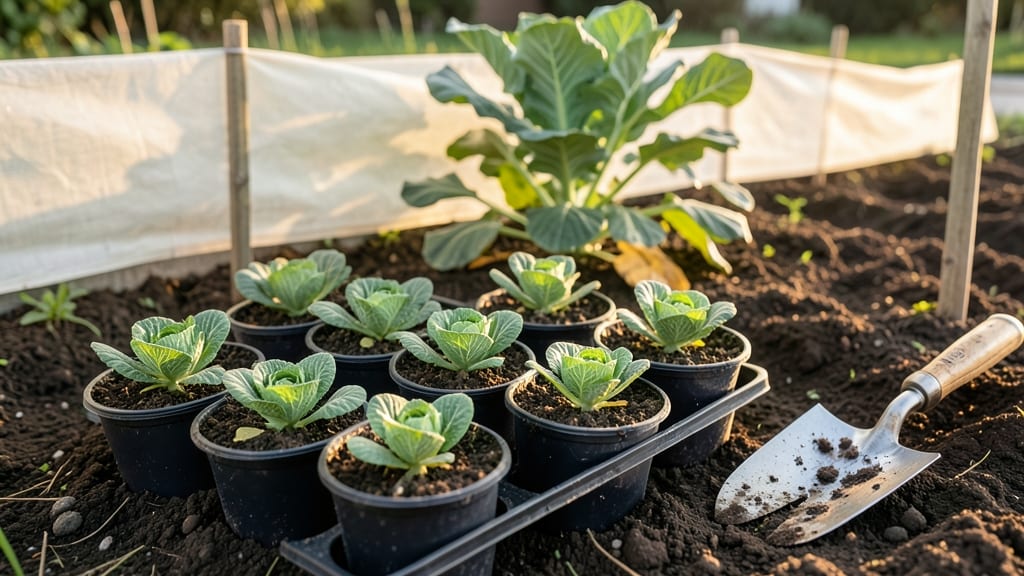
Timing your cabbage planting in California can feel like solving a puzzle—get it wrong, and you’re left with bitter, bolted greens instead of sweet, crisp heads.
But with the right strategy, you can grow 🥬 all season long, whether you're in coastal USDA Zone 8 or the inland heat of Zone 11.
The key is planting in California’s cool-season windows, when temperatures stay mild enough to prevent bolting. For most regions, that means starting seeds indoors in September–October for fall harvests or direct-sowing in February–March for spring crops.
But don’t just follow a calendar—watch for those first frost dates, which can shift your timing by weeks depending on where you garden.
I’ve learned the hard way that cabbage hates heat, so if you’re in the Central Valley, you’ll need to adjust your schedule to avoid summer’s scorching temperatures. The good news?
With the right preparation—like shade cloth, proper spacing, and consistent watering—you can extend your growing season and enjoy homegrown 🥬 from winter right through summer.
Ready to master the art of cabbage timing? I’ll walk you through the exact planting schedule for your region, plus pro tips to keep your cabbage happy and bolting-free. Let’s get those heads growing!
Optimal cabbage planting windows in California by region
California’s diverse climate means cabbage planting times vary dramatically from Northern to Southern regions. In cooler coastal areas, you can plant as early as September for fall harvests, while inland valleys need to wait until October to avoid heat stress.
The key is timing seedlings to mature before summer’s 90°F+ temperatures trigger bolting.
For spring harvests, aim to plant 4–6 weeks before your last frost date. Northern California’s last frost typically hits around December 15, while Southern California may see frost as late as January 15.
This means February–March plantings work best for most regions, with coastal areas getting a head start in late January.
Here’s how to align your planting with California’s microclimates:
| Region | Fall Planting Window | Spring Planting Window | Key Notes |
|---|---|---|---|
| Northern CA (e.g., San Francisco, Sacramento) | September 1–15 | February 15–March 1 | Cooler summers; extend season with shade cloth. |
| Central CA (e.g., San Joaquin Valley, Monterey) | October 1–15 | March 1–15 | Hot summers; use heat-tolerant varieties like 'Golden Acre'. |
| Southern CA (e.g., Los Angeles, San Diego) | August 15–September 15 | February 1–March 10 | Mild winters; plant near coast for cooler microclimates. |
| High Elevation (e.g., Sierra Foothills) | July 15–August 15 | April 1–May 1 | Longer growing season; watch for late frosts. |
Direct-sowing seeds works best for fall crops, while transplants give you more control for spring plantings. Start seeds indoors 4–6 weeks before your target outdoor date, or buy 6-week-old seedlings from nurseries. Harden off seedlings for 7–10 days before transplanting to avoid shock.
Soil temperature is critical—cabbage seeds need 40–85°F soil to germinate. Use a soil thermometer to confirm conditions. In Southern California, where soil can heat up quickly, mulch with straw or wood chips to keep roots cool and retain moisture.
For succession planting, stagger plantings every 2–3 weeks in spring or 3–4 weeks in fall. This ensures a continuous harvest and reduces bolting risks by avoiding overcrowded plants. Space seedlings 12–18 inches apart in rows 24–36 inches apart for optimal air circulation.
Pro tip: Companion plants like dill, onions, or thyme deter cabbage moths, while avoiding brassicas (like broccoli) prevents pest cross-contamination. Rotate crops annually to maintain soil health and reduce disease risks.
🌱
Optimal cabbage planting windows in California by region
California’s diverse climate means your cabbage planting timeline depends heavily on whether you’re in coastal, Central Valley, or Southern zones. In Northern California (e.g., San Francisco, Sacramento), aim for September 1–October 15 for fall crops or February 15–March 15 for spring.
These windows ensure your 🥬 matures before summer heat triggers bolting.
For Central Valley growers (e.g., Fresno, Bakersfield), shift your schedule earlier: start seeds indoors by August 1 for fall harvests or direct-sow by January 15. Southern California’s milder winters (Los Angeles, San Diego) allow a longer window—plant September 15–November 1 for fall or February 1–March 30 for spring.
Here’s how to align your planting with California’s microclimates to maximize yields and avoid bitter, bolted heads:
Pro tip: Use transplants instead of direct-sowing in hotter zones—they establish faster and handle temperature swings better. For Northern California, start seeds indoors 4–6 weeks before your target date to give seedlings a head start.
In Southern California, where winters are short, focus on succession planting: sow new seeds every 3 weeks from September through March. This ensures a steady supply of 🥬 without gaps. And always check your local frost dates—even coastal areas can dip below 32°F unexpectedly!
For high-elevation gardens (e.g., Sierra foothills), plant 2–4 weeks later than lowland areas—cooler temps delay bolting but also shorten your growing window. Test your soil’s pH (6.0–7.0) and amend with compost to boost resilience against temperature stress.
🌱