
Plants
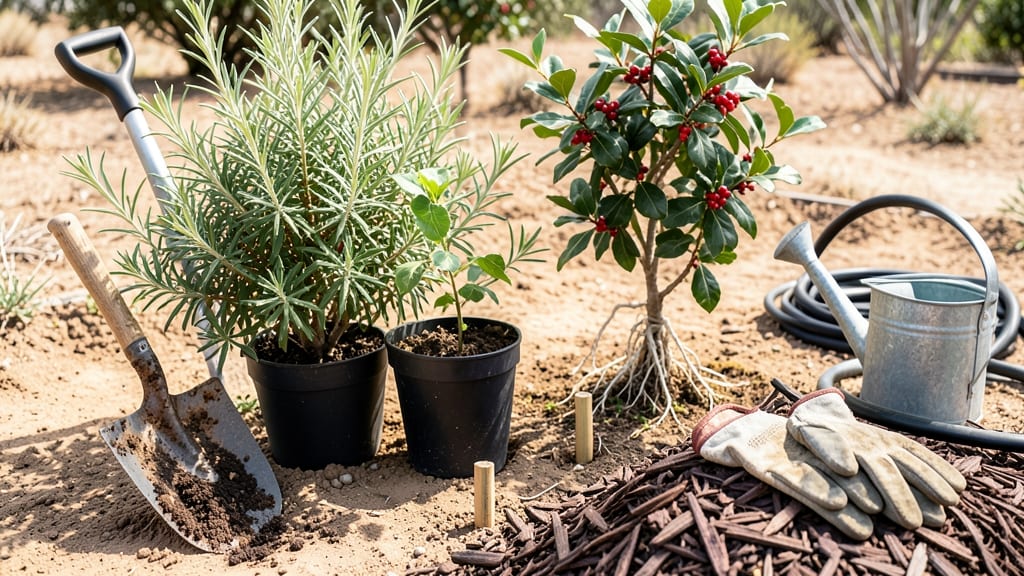
Planting bushes in Texas isn’t just about grabbing a shovel—it’s about beating the heat and outsmarting the climate before your 🌿 greens turn to crisp.
The wrong timing can leave your shrubs wilting faster than a snowman in July, but get it right, and you’ll have a landscape that thrives year-round.
Texas’s 7a-10b zones mean your neighbors’ perfect planting schedule might be a disaster for your yard. Whether you’re in North Texas’s cooler winters or South Texas’s sweltering summers, the key is knowing when to plant—typically fall (September–November) or early spring (February–March)—to give roots time to settle before extreme weather hits.
I’ve tested the best heat-resistant varieties and their ideal windows, so you don’t have to learn the hard way.
From drought-proof Texas sage to crape myrtles that love the sun, I’ll break down exactly when to plant each type—and how to keep them alive through 100°F+ temps without overwatering or guessing.
Ready to transform your yard into a lush, low-maintenance oasis? Let’s dive into the exact months, regional tweaks, and pro tips that’ll make your bushes the envy of the neighborhood—no matter where in Texas you live.
Best months to plant bushes in Texas by region (north vs. central vs. south)
Texas stretches across three distinct climate zones, each with its own ideal planting window for bushes. North Texas (like Dallas) has cooler winters, while South Texas (Houston area) bakes in humid summers.
Central Texas (Austin) sits in the middle, battling 100°F+ heat and unpredictable rains. Your last frost date and soil temperature are your best guides.
For North Texas gardeners, aim for February through March—after the last frost (usually mid-February) but before the spring heat peaks. This gives roots time to establish before summer’s intensity. Fall planting (September–October) is also ideal, letting bushes settle before winter dormancy.
Central Texas demands more precision: plant in November–January to avoid summer’s brutal heat. The soil stays warm enough for root growth, but the air cools slightly. Early spring (February) works too, but water deeply to combat evaporation. Avoid planting in summer’s peak—new roots can’t handle the stress.
South Texas’s longer growing season means you can plant year-round, but September–October and February–March are safest. The humidity and heat make summer planting risky, while winter’s mildness allows for late-season success.
Always check local frost dates—South Texas rarely sees hard freezes, but light frosts can still damage tender varieties.
🌿 Texas Bush Planting Calendar by Region
| Region | Best Planting Months | Soil Temp Goal | Key Considerations |
|---|---|---|---|
| North Texas | Feb–Mar, Sep–Oct | 50–65°F | Avoid summer heat; amend clay soil |
| Central Texas | Nov–Jan, Feb | 60–70°F | Deep watering essential; mulch heavily |
| South Texas | Sep–Oct, Feb–Mar | 65–75°F | Watch for humidity-related diseases; shade cloth helps |
Microclimates add another layer of complexity. A north-facing yard in Austin might stay cooler, allowing late spring planting (April), while a south-facing slope could dry out faster. Test your soil’s moisture retention—Texas clay holds water but also suffocates roots. Amend with compost or sand if needed.
For container-grown bushes, timing shifts slightly. You can plant year-round in pots, but spring and fall still win.
Containers dry out faster in Texas heat, so use self-watering pots or bury them partially in the ground to stabilize temperatures. Crape myrtles and Texas sage thrive in containers with proper drainage.
Don’t overlook root development time. Bushes need 6–8 weeks to establish roots before summer’s heat hits. If you plant in late spring (May), mulch with 3–4 inches of organic mulch to retain moisture and shield roots. Drip irrigation is your best friend during Texas’s 100°F+ spells.
Pro tip: Label your bushes with the planting date. This helps track growth and adjust care.
For example, a June-planted bush will need daily watering for the first month, while a September-planted one can transition to weekly deep watering faster. Patience pays off—Texas bushes reward timely planting with decades of beauty.
Heat-resistant bushes that thrive in Texas: top 7 varieties and their planting secrets
Texas summers can push temperatures past 100°F, making it critical to choose heat-resistant bushes that won’t wilt under the sun. The right varieties not only survive but thrive, adding year-round color and structure to your landscape.
My top picks—like Texas sage and crape myrtle—are proven to handle the Lone Star State’s extremes with ease.
For best results, plant these bushes during early spring (February–March) or fall (September–October) when soil temperatures are cooler. This timing gives roots time to establish before the brutal Texas heat or winter freezes. Drought-tolerant varieties like yaupon holly and wax myrtle are especially smart choices for water-conscious gardeners.
| Variety | Ideal Planting Months | Sun Needs | Mature Height | Spacing |
|---|---|---|---|---|
| Texas Sage (Leucophyllum frutescens) | Feb–March, Sep–Oct | Full sun (6+ hrs) | 3–5 ft | 4–6 ft apart |
| Crape Myrtle (Lagerstroemia) | Feb–March, Sep–Oct | Full sun to partial shade | 6–15 ft | 10–15 ft apart |
| Yaupon Holly (Ilex vomitoria) | Feb–March, Sep–Oct | Full sun to partial shade | 12–25 ft | 10–15 ft apart |
| Turk’s Cap (Malvaviscus arboreus) | Feb–March, Sep–Oct | Partial shade (morning sun) | 3–6 ft | 3–5 ft apart |
| Wax Myrtle (Morella cerifera) | Feb–March, Sep–Oct | Full sun (drought-tolerant) | 6–12 ft | 6–10 ft apart |
| Dwarf Fountain Grass (Pennisetum alopecuroides) | Feb–March, Sep–Oct | Full sun | 2–3 ft | 2–3 ft apart |
| Texas Mountain Laurel (Sophora secundiflora) | Feb–March, Sep–Oct | Full sun to partial shade | 8–15 ft | 8–10 ft apart |
When planting, focus on well-draining soil—Texas clay can suffocate roots if not amended. Mix in compost or sand to improve drainage, and avoid planting in low spots where water pools. Mulch around the base (but not touching the stem) to retain moisture and regulate soil temperature.
For newly planted bushes, water deeply every 3–5 days for the first month, then taper to weekly deep waterings once established. Most of these varieties are drought-tolerant once rooted, but young plants need consistent moisture to survive Texas’s 100°F+ heat waves.
A drip irrigation system is my go-to for efficient watering.
Prune heat-resistant bushes in late winter or early spring to shape them and encourage new growth. Remove any dead or diseased branches immediately to prevent pests. With the right care, these bushes will reward you with year-round interest, from spring blooms to winter structure.
My favorite for low-maintenance color is Texas sage—it blooms purple flowers after rain, even in the hottest months. For privacy screens, yaupon holly or wax myrtle are unbeatable. Start with these varieties, and you’ll have a Texas-proof landscape that beats the heat with ease. 🌿