
Plants
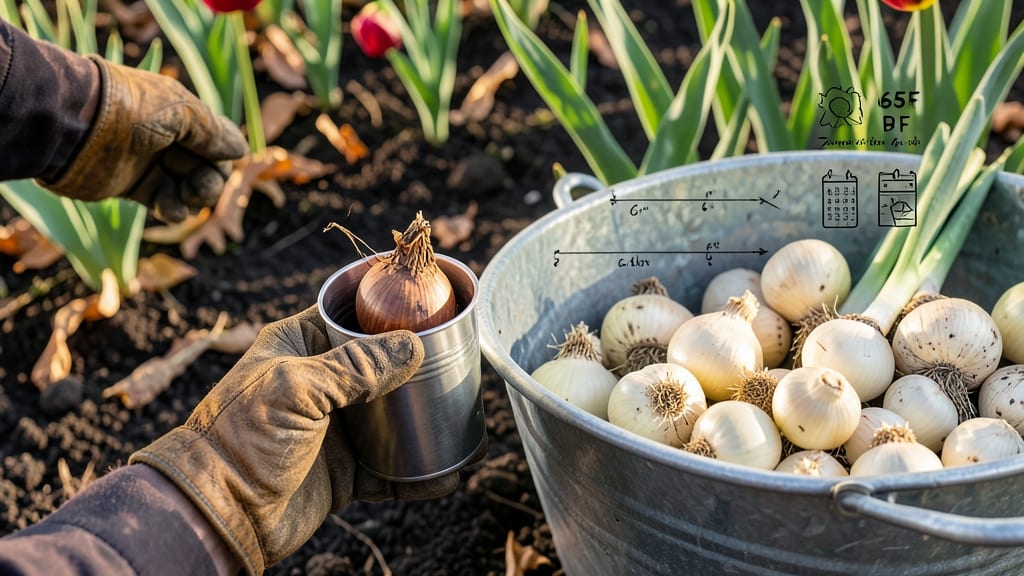
When to plant bulbs in Zone 8 isn’t just about picking a month—it’s about reading your soil like a map. Skip the guesswork, and you could end up with half the blooms you hoped for. I’ve planted 🌷 bulbs in Zone 8 for years, and the difference between a thriving garden and a frost-wilted disappointment often comes down to one key factor: soil temperature.
Here’s the truth: Planting too early in Zone 8 means your bulbs might sprout before winter sets in, only to freeze back. Too late, and you miss the sweet spot for root establishment.
But with the right timing—6-8 weeks before your first frost—you’ll set your bulbs up for success, whether you’re growing tulips, daffodils, or crocuses. Let’s break down exactly when to dig in for zero-frost survival and how to adjust for your specific microclimate.
Most gardeners in Zone 8 focus on the calendar, but the real secret lies in your soil’s temperature. Aim for 50-65°F—that’s the magic window where roots grow strong without risking frost damage.
I’ll show you how to test your soil, pick the best bulbs for your area, and avoid the 5 critical mistakes that even experienced gardeners make. Ready to turn your Zone 8 garden into a springtime showstopper?
From fall planting in October-November to early spring prep in February-March, we’ll cover it all—plus troubleshooting tips for when things go wrong. Whether you’re a beginner or a seasoned gardener, these tricks will help you plant with confidence and enjoy blooms that last. Let’s get started!
Zone 8 soil temperature guide: exact months to plant bulbs for frost-proof blooms
Mastering the perfect bulb-planting window in Zone 8 means balancing soil temperatures between 50°F and 65°F. Too warm, and roots struggle; too cold, and bulbs risk frost damage.
My Zone 8 garden thrives when I plant fall bulbs in October-November and spring bulbs in February-March, aligning with local frost dates.
Zone 8 spans diverse climates—from Sacramento’s dry heat to Atlanta’s humid winters. Microclimates matter! Coastal areas may plant 1-2 weeks later than inland zones. Always check your last frost date (typically mid-January in Zone 8) to time plantings precisely.
| Planting Window | Soil Temp (°F) | Bulb Types | Zone 8 Microclimate Notes |
|---|---|---|---|
| Late September – October | 60-65°F | Tulips, Daffodils, Hyacinths | Southern Zone 8 (e.g., Orlando): Plant by Oct 15 |
| October – November | 50-60°F | Crocuses, Snowdrops, Allium | Northern Zone 8 (e.g., Sacramento): Plant by Nov 1 |
| February – March | 55-65°F | Caladiums, Begonias, Spring-Planted Dahlias | Wait until soil warms above 55°F; avoid frost-prone areas |
For fall planting, aim to get bulbs in the ground 6-8 weeks before frost. In Zone 8’s northern edge (e.g., Sacramento), this means late October. In southern Zone 8 (e.g., Atlanta), you can extend planting until mid-November.
Use a soil thermometer to verify temperatures. Bulbs like tulips need consistent 50°F+ soil to root before winter. If your soil stays above 60°F past November 15, delay planting until temperatures drop naturally.
Spring-planted bulbs (like caladiums) need warmer soil. Wait until February when daytime temps consistently reach 60°F. In cooler microclimates, hold off until March to avoid late frost damage.
Pro tip: Mulch after planting with 2-3 inches of straw to insulate bulbs from temperature swings. This is especially critical in Zone 8’s transitional climate, where sudden cold snaps can occur even in December.
Always plant bulbs 3x deeper than their height. A 6-inch-deep planting protects 2-inch-tall crocus bulbs from frost heave. Use a bulb planter or trowel for precision—uneven depth leads to stunted blooms.
Test your soil’s drainage before planting. Bulbs rot in waterlogged soil. Amend heavy clay with compost or sand to improve airflow. In Zone 8’s humid south, raised beds prevent excess moisture during winter rains.
Remember: Zone 8’s mild winters mean bulbs can survive brief frosts, but prolonged freezing (below 20°F) risks damage. Monitor forecasts and cover bulbs with mulch during unusually cold spells.
Zone 8 soil temperature guide: exact months to plant bulbs for frost-proof blooms
In Zone 8, where winters are mild but unpredictable, timing your bulb planting based on soil temperature—not just calendar dates—is key. Most bulbs need 6-8 weeks to root before winter sets in, so aim for soil temps between 50-65°F.
This window typically falls in late October to November for fall planting.
For spring-blooming bulbs like tulips and daffodils, early spring planting in February or March works best. However, Zone 8’s northern areas (like Sacramento) may need bulbs in the ground by mid-October, while southern regions (like Atlanta) can wait until November.
| Bulb Type | Ideal Planting Time | Soil Temp Range | Zone 8 Notes |
|---|---|---|---|
| Tulips | Late Oct - Nov | 50-60°F | Plant 6-8" deep; mulch after frost. |
| Daffodils | Oct - Dec | 50-65°F | Hardy; can handle light frosts. |
| Hyacinths | Nov - Jan | 55-60°F | Wait for cooler soil; not frost-tolerant. |
| Spring Planting | Feb - March | 55-65°F | Best for late bloomers like alliums. |
Use a soil thermometer to check temps—60°F is the sweet spot for most bulbs. If your soil stays above 65°F into November, wait until temps drop. For container-grown bulbs, plant them 2-4 weeks earlier since pots cool faster.
In Zone 8’s southern edge, where winters are shorter, you can even plant some bulbs in December. Just ensure they’re in the ground 4-6 weeks before your average first frost (usually mid-January in most of Zone 8).
Pro tip: Mulch with 2-3 inches of straw after planting to insulate bulbs from temperature swings and retain moisture. This is especially helpful in northern Zone 8 where frosts can linger.
Remember, bulb health depends on root establishment before winter. If you miss the fall window, don’t worry—spring planting still works for many varieties, though blooms may be slightly delayed. Just keep an eye on those soil temps!