
Plants
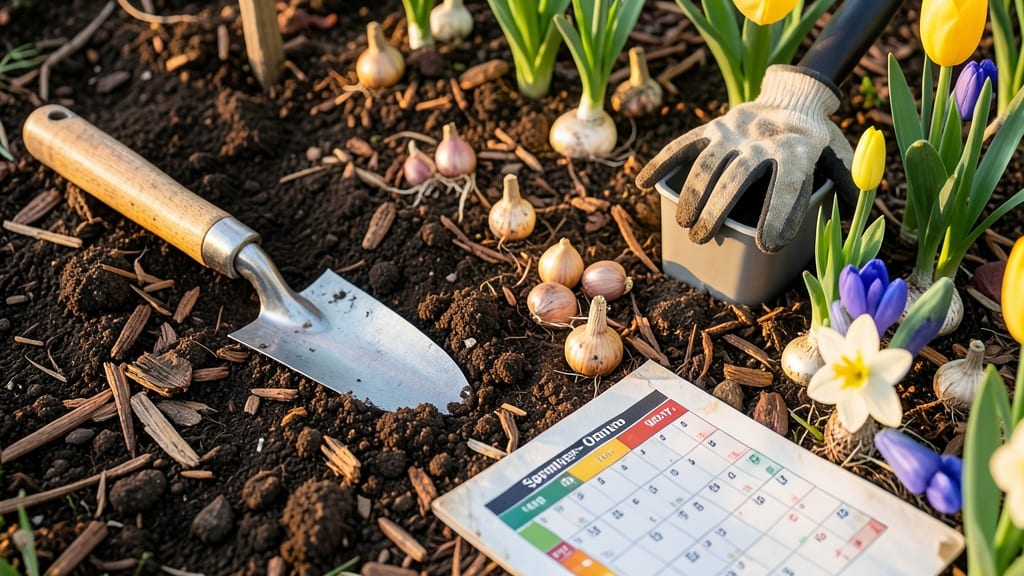
Knowing when to plant bulbs in Zone 7B isn’t just about picking a month—it’s about giving your 🌷 Spring Flowering Bulbs the perfect chill-time boost they need to burst into color next spring.
Zone 7B’s mild winters mean traditional timing won’t always work, and planting too early or late can leave you with weak blooms—or worse, no flowers at all. I’ve tested the best strategies for varieties like tulips and daffodils, so you can skip the guesswork and get vibrant blooms every season.
Most gardeners plant in October or November, but the key is matching your bulbs to their chill-hour needs. Some need just 300 hours of cold, while others crave 1,500+ hours—and Zone 7B’s climate can throw a wrench into that plan.
Let’s break down the exact planting windows, the bulbs that thrive here, and how to adjust for late frosts or early springs—so you can enjoy a showstopping garden without the trial and error.
Zone 7B bulb planting timeline by chill-hour requirements
Planting bulbs in Zone 7B requires precision because our mild winters—typically 300–900 chill hours—can’t support high-chill varieties like traditional tulips or hyacinths. Instead, focus on varieties that thrive with 300–1,500 chill hours, planted at the right time to ensure robust root development before winter.
The key? Fall planting (October–November) for most spring bloomers, but timing depends on the bulb’s specific needs.
Zone 7B’s last frost date usually falls around November 15, while the first frost arrives around March 1. This means you’ve got a 6–8 week window to plant bulbs before the ground freezes solid.
For bulbs needing fewer chill hours (like daffodils or alliums), you can even plant as late as December in mild microclimates.
Here’s the critical rule: Plant bulbs 6–8 weeks before the ground freezes to give roots time to establish. In Zone 7B, this translates to mid-October to early November for most varieties.
For high-chill bulbs (like Darwin Hybrid tulips), aim for the earlier end of this window—late September to early October—to maximize chill accumulation.
One common mistake? Waiting until after the first frost to plant. While some bulbs tolerate light freezing, soil should still be workable and slightly cool (around 60°F) for optimal root growth. Use a soil thermometer to check—if temps drop below 50°F, it’s time to pause planting.
Spring-planted bulbs (like caladiums or cannas) follow a different rhythm. These warm-season bulbs go in the ground after the last frost, typically March–April in Zone 7B. They rely on soil warmth (above 60°F) to trigger growth, so don’t rush—wait until the danger of frost has passed.
Pro Tip: If you’re unsure about chill hours, check the USDA Plant Hardiness Zone label on your bulbs. For example, 'Styrian Beauty' daffodils need just 300–600 chill hours, while 'Red Emperor' tulips require 900–1,200 hours. Matching the bulb to your zone avoids disappointment.
🌱 Bulb Planting Timeline for Zone 7B
| Bulb Type | Chill Hours Needed | Planting Window | Depth (inches) | Notes |
|---|---|---|---|---|
| Daffodils (Narcissus) | 300–600 | Oct–Nov | 6–8" | Low-maintenance; deer-resistant |
| Tulips (Darwin Hybrid) | 900–1,200 | Late Sept–Oct | 6–8" | Plant early for best chill |
| Alliums (Ornamental Onions) | 300–500 | Oct–Nov | 6–8" | Drought-tolerant; long stems |
| Crocus | 150–300 | Sept–Oct | 3–4" | Early bloomers; naturalize easily |
| Caladiums (Spring-Planted) | 0 (warm-season) | March–April | 2–3" | Shade-loving; tropical look |
| Bulb Type | Chill-Hour Needs | Planting Window | Notes |
|---|---|---|---|
| Daffodils (Narcissus) | 600–900 hrs | October–November | Low-maintenance; deer-resistant. |
| Tulips (Darwin Hybrids) | 900–1,200 hrs | October–early November | Plant deeper (6–8") for stability. |
| Hyacinths | 1,200–1,500 hrs | Late October–November | Fragrant but needs well-drained soil. |
| Alliums (Ornamental Onions) | 300–600 hrs | September–October | Drought-tolerant; great for borders. |
| Crocus | 300–500 hrs | September–October | Early bloomer; naturalizes easily. |
If your winter is warmer than average, consider low-chill varieties like 'Ice Follies' daffodils or 'Darwin Hybrid' tulips, which bloom reliably with 600–900 chill hours. For high-chill bulbs (e.g., lilies), you might need to pre-chill them in the fridge for 8–10 weeks before planting.
Pro tip: Use a soil thermometer to check when temps drop to 50–60°F—this is the sweet spot for root growth before winter sets in. Mulch with 3–4 inches of straw or leaves after planting to insulate bulbs and retain moisture.
Spring-planted bulbs (like caladiums or canna lilies) follow a different rule: Wait until after the last frost (around March 15 in Zone 7B) and when soil temps hit 65°F. These thrive in heat and don’t need chill hours.