
Plants
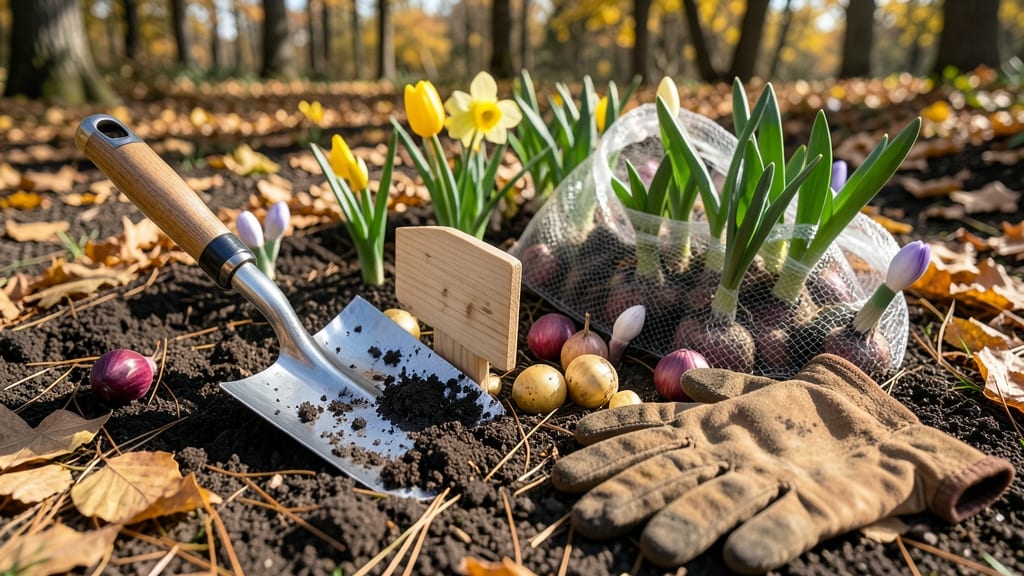
Timing when to plant bulbs in Zone 6 isn’t just about the calendar—it’s the difference between vibrant blooms and disappointment. Plant too early, and frost can damage tender roots; too late, and your bulbs might not get the chill they need to thrive.
The key lies in understanding your local frost dates and soil conditions, especially in Zone 6’s 6a-6b range.
Most gardeners know fall is the prime window for planting these beauties, but did you realize there’s a 6-week deadline before the ground freezes? Miss it, and your tulips or daffodils could struggle to establish roots.
I’ll break down exactly when to plant each type—whether you’re working with frost-sensitive varieties or hardier options that can handle cooler soil.
What’s even more surprising? Some bulbs actually prefer planting after the first frost! This strategy gives them a head start on root growth before winter sets in.
I’ll show you how to adjust your timing based on your specific Zone 6 microclimate, so you can avoid common mistakes that ruin bulb planting.
Ready to transform your garden next spring? Let’s dive into the exact planting schedule, soil prep tips, and pro secrets that’ll have your 🌷 bulbs blooming like never before—without the guesswork. Your future self (and your yard) will thank you!
Zone 6 bulb planting deadlines by type: fall vs. spring varieties
In Zone 6, timing your bulb planting is critical—especially since spring-blooming varieties need 6-8 weeks of cold dormancy to flower. Most gardeners focus on fall planting, but some bulbs thrive when planted in early spring. The key is understanding each type’s frost tolerance and soil temperature needs.
For spring-flowering bulbs like tulips and daffodils, the fall planting window closes when soil temps hit 40°F—usually by mid-November in most of Zone 6. However, hardier bulbs like crocuses and snowdrops can handle later planting. Let’s break down the exact deadlines by bulb type to avoid missed opportunities.
🌱
🌷 Zone 6 Bulb Planting Deadlines
| Bulb Type | Ideal Planting Window | Soil Temp Threshold | Key Notes |
|---|---|---|---|
| Tulips | Oct 15–Nov 15 | 40–50°F | Needs chilling; plant before ground freezes. |
| Daffodils | Oct 1–Nov 30 | 45–55°F | Hardier; can handle later planting. |
| Hyacinths | Oct 1–Nov 15 | 40–50°F | Plant in well-drained soil; avoid soggy spots. |
| Crocuses | Sep 15–Nov 1 | 50–60°F | Early bloomers; plant before first frost. |
| Snowdrops | Sep 1–Oct 15 | 50–60°F | Cold-hardy; plant in partial shade. |
| Spring-Planted Bulbs (e.g., Caladiums) | Apr 1–May 15 | 55–65°F | Tropical bulbs; wait until soil warms. |
Most spring-blooming bulbs rely on fall planting because they need cold stratification to break dormancy. If you miss the window, you can try pre-chilling bulbs in the fridge for 8–12 weeks before spring planting, but results vary.
For Zone 6’s unpredictable frost, aim to finish planting by November 15 for tulips and hyacinths.
Soil temperature is just as important as the calendar. Use a soil thermometer to confirm temps—plant when they’re consistently below 60°F but before the ground freezes. In colder microclimates (like Zone 6a), start earlier (late September), while milder areas (like Zone 6b) can wait until early November.
For hardy bulbs like crocuses and snowdrops, you have more flexibility. These can handle early fall planting (September) or even late fall if the ground isn’t frozen. Their secret? They tolerate light frosts and bloom early, often poking through snow for a cheerful spring preview.
🌿
If you’re unsure about your local frost dates, check your USDA Zone 6a vs. 6b distinction—Zone 6a (colder) may need 2–3 weeks earlier planting than Zone 6b. For example, in Chicago (6b), November 1 is a safer deadline than in Buffalo (6a), where October 31 is the cutoff.
Always err on the side of earlier planting—bulbs won’t rot in cold soil, but they won’t thrive if planted too late.
Pro tip: Mark your calendar with your average first frost date (usually mid-October to early November in Zone 6) and plant 6–8 weeks before. For example, if frost hits November 15, aim to finish by September 25. This gives bulbs time to root before winter sets in.
Finally, don’t overlook spring-planted bulbs like caladiums or cannas. These tropical varieties need warm soil (55°F+) and should wait until after your last frost (typically April
Zone 6 bulb planting deadlines by type: fall vs. spring varieties
In Zone 6, most spring-blooming bulbs—like tulips and daffodils—need to be planted in fall (October-November) to establish roots before winter. The key is timing: plant them 6-8 weeks before the ground freezes, typically by November 15 for most of Zone 6.
This gives bulbs time to root but avoids exposing them to winter’s harshest cold.
For fall-planted bulbs, soil temperatures are critical. Aim for 60°F (15°C) or cooler—ideal for root growth without encouraging early shoots.
Use a soil thermometer to check if you’re unsure. Spring-planted bulbs, like caladiums, follow a different schedule and go in after the last frost, usually by April 15 in Zone 6.
| Bulb Type | Planting Window | Soil Temp Threshold | Key Notes |
|---|---|---|---|
| Tulips | October 15 - November 15 | 60°F (15°C) | Plant 6-8" deep; avoid soggy soil |
| Daffodils | October 1 - November 15 | 50-60°F (10-15°C) | Hardy; tolerates colder soil |
| Hyacinths | October 1 - November 10 | 60°F (15°C) | Needs well-draining soil; avoid overcrowding |
| Crocuses | September 15 - October 15 | 55°F (13°C) | Early bloomers; plant shallow (3-4") |
| Caladiums (Spring) | April 15 - May 15 | 65°F (18°C) | Warm-season; mulch after planting |
Microclimates in Zone 6 can shift deadlines by weeks. For example, urban areas often freeze earlier than rural spots, while south-facing slopes stay warmer.
Check your local last frost date (typically April 15 in Zone 6) and adjust by adding 6-8 weeks backward for fall planting. Daffodils and alliums are the most forgiving, while tulips demand precision.
Pro tip: If your soil stays warm late into fall, opt for late-season bulbs like grape hyacinths, which handle cooler soils better. Always plant bulbs with the pointy end up—this ensures they sprout correctly in spring.
Mulch with 2-3 inches of straw after planting to insulate roots during winter’s chill.
For spring-planted bulbs, wait until the soil warms to 65°F (18°C) and all frost risk has passed. These bulbs, like canas or begonias, thrive in summer heat but won’t survive winter outdoors in Zone 6. Container-grown bulbs give you flexibility to move them indoors if frost threatens.
Remember: The earlier you plant, the stronger the roots—but don’t rush. Bulbs planted too soon in warm soil may sprout prematurely and get killed by frost. Balance is key for Zone 6’s unpredictable climate.