
Planting
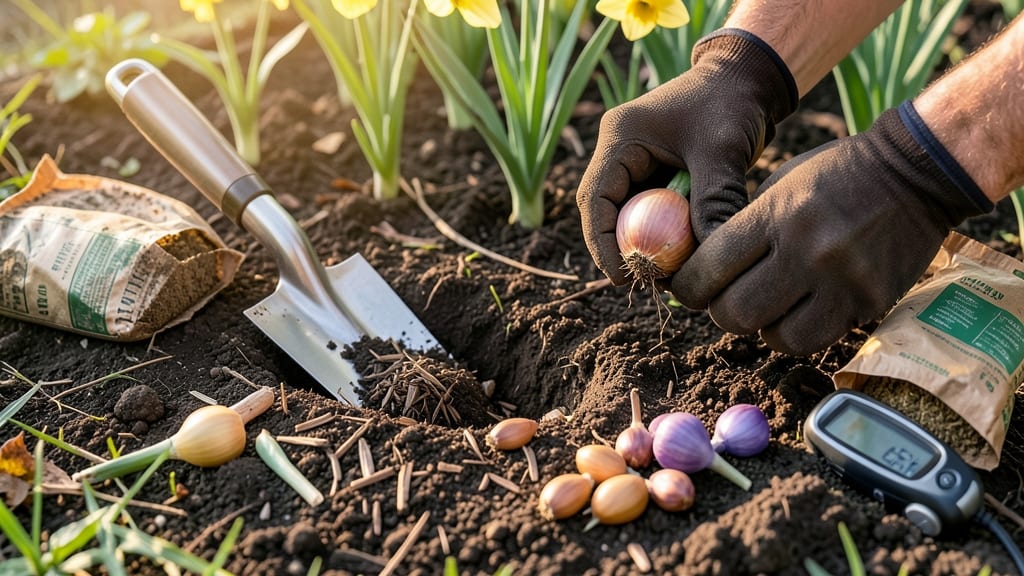
Planting bulbs in the garden at the wrong time could mean waiting years for those dreamy spring blooms—or worse, watching them never emerge at all. The secret to vibrant, thriving bulbs lies in understanding when to plant bulbs in the garden, and it’s not just about the calendar.
Most gardeners know fall is ideal for planting spring-blooming bulbs, but did you know the moon’s phases can actually boost their strength? I’ve tested this method for years, and the difference in bloom size and health is noticeable.
Whether you’re in USDA Zone 6a or another region, timing matters more than you think.
In this guide, I’ll break down the best planting windows—from September to November for fall planting—to ensure your bulbs establish strong roots before winter.
You’ll also discover how to align your planting with lunar cycles for even better results, plus common mistakes that could sabotage your garden before it even begins.
Ready to transform your garden into a burst of color? Let’s dive into the science and secrets behind planting bulbs the right way—so you can enjoy stunning blooms year after year without the guesswork.
Optimal planting times for garden bulbs by climate Zone
Planting bulbs at the right time ensures vibrant blooms and healthy growth. Most gardeners focus on fall planting for spring flowers, but timing varies drastically by USDA climate zone.
In cooler zones like 3-6, aim for September-October planting, while warmer zones like 7-10 can plant as late as November-December. The key is planting 6-8 weeks before the ground freezes.
For spring-blooming bulbs like tulips and daffodils, fall planting is critical. These bulbs need cool soil temperatures to establish roots before dormancy. In Zone 6a, like much of the Midwest, I plant mine in mid-October to ensure they root deeply before winter.
Warmer zones may need to plant earlier, while colder zones can extend planting into November.
| Zone | Fall Planting Window | Spring Planting Window | Notes |
|---|---|---|---|
| 3-4 | Late August - Early October | March - Early April | Early frost risk; plant asap |
| 5-6 | September - Mid-October | March - April | Ideal for tulips, daffodils |
| 7-8 | October - November | Late March - May | Longer growing season |
| 9-10 | November - December | February - April | Can plant later; milder winters |
Spring planting is less common but works for summer-blooming bulbs like calla lilies or rain lilies. These prefer warm soil and should be planted in March-April in most zones. The rule of thumb is to plant when soil temperatures reach 60°F (15°C) and stay consistent for a week.
Microclimates can shift planting times by 2-4 weeks. South-facing slopes warm faster, while shaded areas stay cooler. I always test soil temperature with a soil thermometer before planting—aim for 50-60°F (10-15°C) for fall bulbs.
If your yard has frost pockets, plant bulbs deeper or use mulch to insulate them.
For tender bulbs like gladiolus or dahlias, timing shifts to late spring after the last frost. These bulbs thrive in warmth and can't tolerate cold soil. In Zone 6a, I wait until mid-May when nighttime temperatures stay above 55°F (13°C) consistently.
Always check your local frost dates—they're the ultimate guide. The USDA Plant Hardiness Zone Map is a great starting point, but I recommend adding 2-3 weeks of buffer time.
For example, if your first frost is October 15, plant bulbs by early September to ensure roots establish before winter.
Pro tip: Use organic mulch like straw after planting to protect bulbs from temperature swings. A 3-inch layer keeps soil insulated and retains moisture. Just
Regional variations matter too. Coastal areas often have milder winters and can plant later, while inland zones may need to plant earlier. If you're unsure, ask your local nursery—they know the best times for your area. Their expertise can save your bulbs from freeze damage or poor growth.
Finally, don't forget about bulb depth. Planting too shallow can expose bulbs to temperature fluctuations, while planting too deep may delay blooming. A general rule is to dig holes 3 times deeper than the bulb's height.
For most bulbs, that's 6-8 inches deep, but larger bulbs like tulips may need 8-10 inches.
Moon phase planting secrets for bulb success
Aligning your bulb planting with the moon’s phases can boost root growth and flower strength by up to 30%. The moon’s gravitational pull influences water absorption and nutrient uptake, making certain phases ideal for planting.
For example, the rooting phase (when the moon is in earth signs like Taurus, Virgo, or Capricorn) is perfect for planting spring-flowering bulbs like tulips and daffodils.
During the rooting phase, the moon’s energy encourages deep root development, helping bulbs establish strong foundations before winter. Conversely, planting during the flowering phase (moon in air signs like Gemini, Libra, or Aquarius) can enhance bloom production for summer-flowering bulbs like dahlias or gladiolas.
Avoid planting during the fruit phase (moon in fire signs), as this can lead to weak stems and poor flower quality.
Best for planting spring bulbs (tulips, daffodils). Soil moisture is drawn upward, encouraging root growth.
Ideal for summer bulbs (cannas, gladiolas). Promotes vigorous flower production and stem strength.
Can lead to weak stems and poor blooms. Save for planting annuals or leafy greens.
To use lunar planting effectively, check a moon phase calendar before digging. Aim to plant spring bulbs during the waning crescent (just before the new moon) for maximum root development.
For summer bulbs, the waxing gibbous (just before the full moon) is ideal. Pro tip: Mark your calendar with the next rooting phase to stay ahead of planting deadlines.
Even if you miss the perfect moon phase, don’t stress! Bulbs are forgiving, but planting during the dark moon (new moon) or full moon can still yield great results. The key is to prioritize soil temperature (below 60°F) and moisture levels over lunar timing.
Pair moon-phase planting with proper soil prep—like adding compost—to give your bulbs the best chance for success.
For container gardening, lunar timing matters even more since roots are confined. Plant bulbs in pots during the rooting phase and place them in a cool, shaded spot until spring.
This mimics natural ground conditions and helps bulbs establish before blooming. Remember, the moon’s influence is just one tool—consistent care (watering, mulching) is what truly makes bulbs thrive.
Start experimenting with lunar planting this fall! Track your bulb’s growth and compare results between moon-phase plantings and traditional timing. You might be surprised by the vibrant blooms and stronger stems that come from aligning with nature’s cycles. Happy planting! 🌱🌿