
Plants
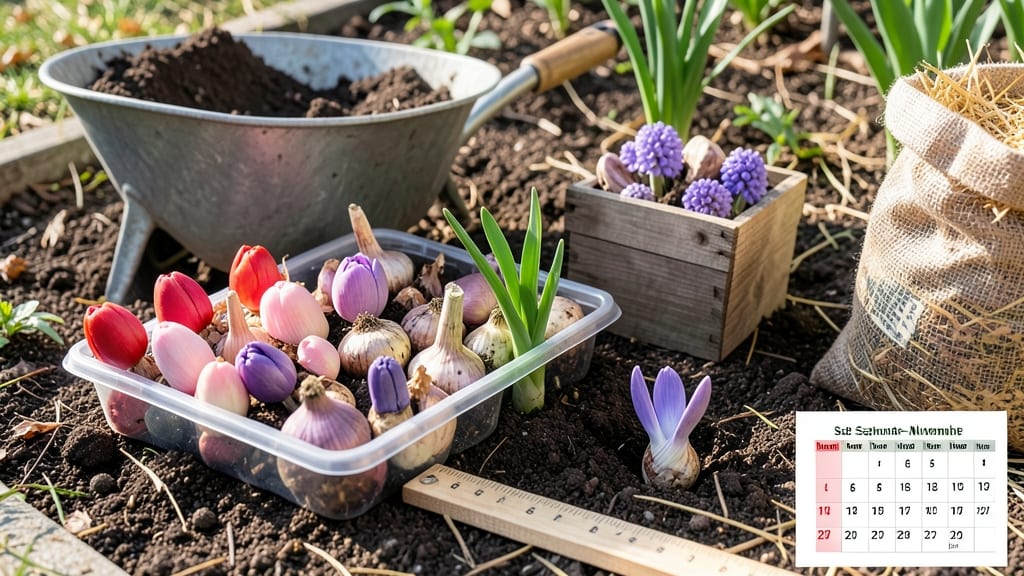
Timing your spring-planted bulbs—like tulips, daffodils, and crocuses—can mean the difference between a burst of vibrant color and a wasted investment in Maryland’s 6a-7b zones. Plant too early, and soggy soil will rot them; too late, and frost will kill them before they even sprout.
The key is knowing when to dig in for zero-frost survival, whether you’re prepping for fall or early spring.
Maryland’s climate throws a curveball with its unpredictable falls, but the October-November window is your best bet for most 🌷 varieties. Daffodils and crocuses can handle late planting, while tulips need to be in the ground by mid-November to beat the first frost.
I’ll break down the exact deadlines by bulb type so you never miss a season.
Don’t let a late frost catch you off guard—this guide covers soil prep, mulching tricks, and the top 5 Maryland-hardy bulbs that won’t flinch at winter’s chill. Whether you’re a first-time gardener or a seasoned pro, these tips will help you plan ahead for next year’s showstopping blooms.
Ready to turn your yard into a springtime masterpiece? Let’s dive into the critical deadlines and strategies that’ll keep your 🌷 bulbs thriving—no matter what Maryland’s weather throws your way.
Maryland’s fall bulb planting deadlines by variety (with frost zones 6b-7b)
Maryland’s USDA Zones 6b-7b mean fall frost arrives between November 15-30, but your bulb planting window opens much earlier. For spring-blooming bulbs like tulips and daffodils, aim to plant 6-8 weeks before the ground freezes—typically by mid-November in most regions.
In Zone 7b, you might squeeze in late plantings until December 1, while Zone 6b gardeners should finish by November 15.
Timing matters because bulbs need 4-6 weeks of root growth before winter dormancy. Plant too late, and they’ll rot in cold, wet soil. Too early, and they may sprout prematurely in Maryland’s mild autumns. Use these variety-specific deadlines to avoid common mistakes.
🌱 Maryland’s Bulb Planting Deadlines by Variety
| Variety | Maryland Planting Window | Frost Zone Notes | Key Tip |
|---|---|---|---|
| Daffodils (Narcissus) | October 1 – November 15 | Zones 6b-7b: Hardy to 15°F | Plant 6" deep in well-draining soil. |
| Tulips (Tulipa) | October 15 – November 15 | Zones 6b-7b: Needs mulch for Zone 6b | Avoid wet soil—plant on slopes if needed. |
| Crocuses (Crocus) | September 15 – October 31 | Zones 6b-7b: Thrives in partial shade | Plant 3" deep—ideal for lawns. |
| Alliums (Allium) | October 1 – November 15 | Zones 6b-7b: Drought-tolerant | Great for cut flowers—plant in groups. |
| Hyacinths (Hyacinthus) | October 1 – November 10 | Zones 6b-7b: Needs rich soil | Add compost to planting hole for fragrance. |
For Zone 7b gardeners, you can push deadlines 2-3 weeks later than Zone 6b, but always check soil temperatures. Use a soil thermometer—bulbs need 40-50°F soil to root properly. If temperatures drop below 40°F, cover bulbs with straw mulch (3-4 inches) to insulate them.
Maryland’s western counties (like Frederick) often see earlier frosts than eastern shores (like Annapolis). Adjust deadlines 1-2 weeks earlier in inland areas. For tender bulbs like Ranunculus or Dahlia, wait until spring planting (March-April) after the last frost.
Pro tip: Label your bulbs with planting dates—this helps track which varieties need spring fertilization (like daffodils) and which don’t (like alliums). Use biodegradable markers to avoid disturbing roots.
If you miss the fall window, don’t panic! Spring planting (March-April) works for hardy bulbs like daffodils and crocuses, though blooms may arrive 2-3 weeks later than fall-planted varieties. Just ensure the soil is workable (not muddy) and frost isn’t forecasted.
For container gardening, plant bulbs in well-draining pots by October 15 and move containers to a protected spot (like a garage) if temperatures drop below 20°F. Use lightweight potting mix to prevent pots from cracking under freeze-thaw cycles.
🌿 Remember: Maryland’s bulb success hinges on two factors: timing and soil prep. Loosen soil to 12" deep, mix in compost, and avoid fresh manure—it can burn bulb roots. With these deadlines, you’ll enjoy vibrant spring blooms year after year.
How to extend Maryland’s bulb planting season without risking frost damage
Maryland’s fall frost dates can shift unpredictably, but with the right strategies, you can safely plant bulbs 2-3 weeks later than the traditional deadline. The key? Soil temperature and protective layers that mimic natural winter conditions without causing rot.
First, test your soil’s readiness with a soil thermometer. Bulbs need 40-50°F soil to root before winter dormancy. If temps drop below this, roots won’t establish, and bulbs may fail to bloom.
In Zone 6b-7b, this usually happens by mid-November, but cooler microclimates (like mountain areas) may need earlier planting.
To push deadlines later, focus on mulching and cold-hardy varieties. Apply 3-4 inches of straw or shredded leaves after planting to insulate bulbs from temperature swings. Avoid thick layers of grass clippings, which can mat and trap moisture, leading to rot.
For high-risk areas, opt for deep-planting (8-10 inches deep) to shield bulbs from freeze-thaw cycles. In Zone 7b, this can extend your window until late November—just check soil temps weekly to avoid surprises.
Another trick? Plant early-blooming varieties like crocuses or snowdrops, which tolerate colder soils better than tulips or daffodils. These frost-resistant bulbs can handle 32°F soil temps, giving you a longer planting window.
If you miss the fall window, don’t despair—early spring planting (March-April) works too. Just plant bulbs shallowly (4-6 inches deep) and keep soil moist until roots establish. Water deeply after planting to encourage root growth before the first frost.