
Planting
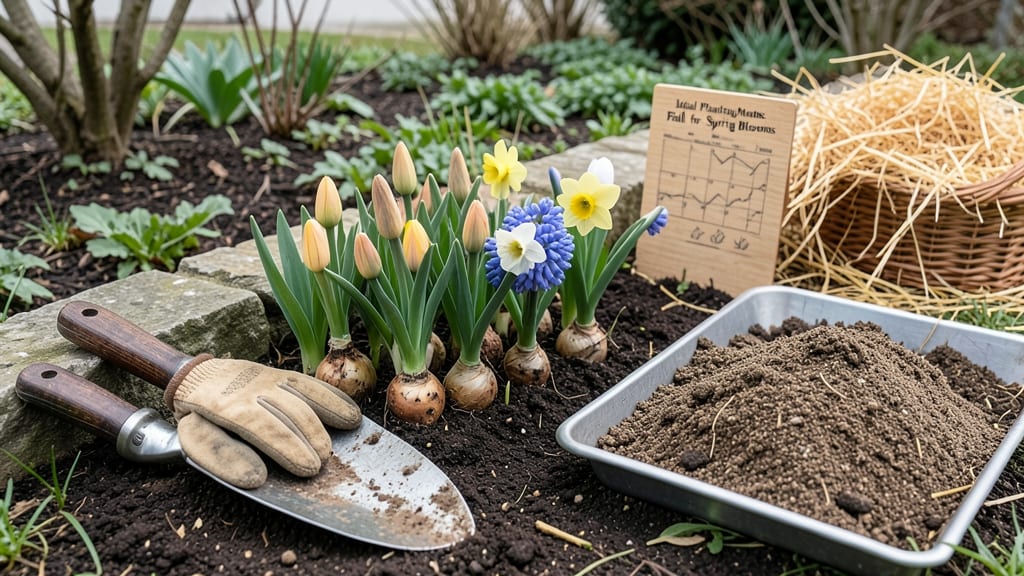
When to plant bulbs in the garden just right is the difference between a showstopping spring display and a sad, wilted disappointment. Planting them at the wrong time means waiting months—or worse, never seeing those vibrant blooms you dreamed of.
Most gardeners know fall planting is key for spring flowers, but did you know your exact USDA Zone 6a frost dates could shift your schedule by weeks? I’ll break down the perfect window so you never miss the boat again, whether you’re planting daffodils, tulips, or hyacinths.
Think you can wait until spring? Wrong. Bulbs need time to root before the ground freezes—and that means starting 6-8 weeks before your first frost. Let’s dive into the month-by-month schedule that guarantees success, so you can enjoy blooms that’ll make your neighbors jealous.
Ready to transform your garden? I’ll show you how to adjust for early frosts, pick the best bulbs for your timeline, and even troubleshoot common mistakes. Your future spring garden starts with this one simple step.
Best months to plant garden bulbs by climate Zone
Timing is everything when planting bulbs—get it right, and you’ll enjoy vibrant blooms next season. Most bulbs thrive when planted in fall for spring blooms or early spring for summer/winter flowers. The key? Align planting with your USDA climate zone and local frost dates.
For cold climates (Zones 3-5), aim to plant bulbs 6-8 weeks before first frost, typically in October or early November. In mild zones (6-8), extend planting until December.
Meanwhile, warm climates (Zones 9-10) can plant bulbs in winter or early spring to avoid summer heat stress.
Spring planting is ideal for summer-blooming bulbs like dahlias or fall-winter varieties such as paperwhites. Plant these 4-6 weeks before last frost, usually in March or April in most regions.
Here’s a breakdown of the best planting windows by zone and bulb type, so you can plan with confidence:
Pro tip: Use a soil thermometer to confirm ground temps are below 60°F for fall planting. Bulbs need cool dormancy to root properly before spring growth.
In Zone 7a (like my garden!), I plant most bulbs in early November for spring color, but I always have a few late-blooming varieties like gladiolas ready for June planting.
Adjust based on your local first/last frost dates, which you can find via the USDA Plant Hardiness Zone Map.
For container gardening, plant bulbs in late summer or early fall so they can establish roots before winter. Just ensure pots have drainage holes to prevent rot.
Missed the fall window? No stress! Spring planting works for many bulbs, though tulips and daffodils may bloom later. Focus on summer-blooming bulbs like dahlias or cannas for a timely show.
Always plant bulbs pointy end up and 2-3 times as deep as their height. For example, a 2-inch tulip bulb should go 4-6 inches deep. Use well-draining soil mixed with compost for best results.
Now that you’ve got the timing down, your garden is one step closer to bursting with color next season! 🌷
How to adjust bulb planting for early or late frost years
Unpredictable frost can turn your bulb planting plans into a gamble. If your area faces early frosts or late springs, you’ll need to adjust timing to protect your spring-blooming bulbs. The key is understanding your soil temperature and local frost patterns—both of which can shift yearly.
For gardeners in USDA zones 4-7, where frost dates vary wildly, I recommend using a soil thermometer to confirm when temperatures drop below 50°F (10°C). This is your signal to plant fall bulbs like tulips and daffodils.
If frost arrives earlier than expected, opt for hardier varieties like crocuses or snowdrops, which tolerate colder soils.
In warmer zones (8-10), where frost is rare, you can plant bulbs throughout winter—but be mindful of heat stress. For example, summer-planted bulbs like dahlias or cannas thrive in these climates but need consistent moisture to establish roots before summer heat arrives.
Another trick? Plant bulbs in containers and move them to a garage or shed if frost threatens. This works especially well for tender bulbs like gladiolas or rain lilies. Just ensure pots have drainage holes to prevent waterlogging during winter.
For late frost years, delay planting until late fall (November) or even early winter (January in mild climates). Focus on cold-hardy bulbs like alliums or Siberian squill, which handle freezing soils better than delicate tulips.
Finally, track your local frost dates for 3-5 years to spot patterns. Adjust planting windows by 2-4 weeks earlier or later based on your data.
For example, if your area’s first frost typically arrives October 15 but shifted to October 1, plant bulbs by September 1 instead of October 1.
With these adjustments, you’ll minimize frost risks and still enjoy vibrant spring blooms—no matter how erratic the weather gets. 🌱