
Plants
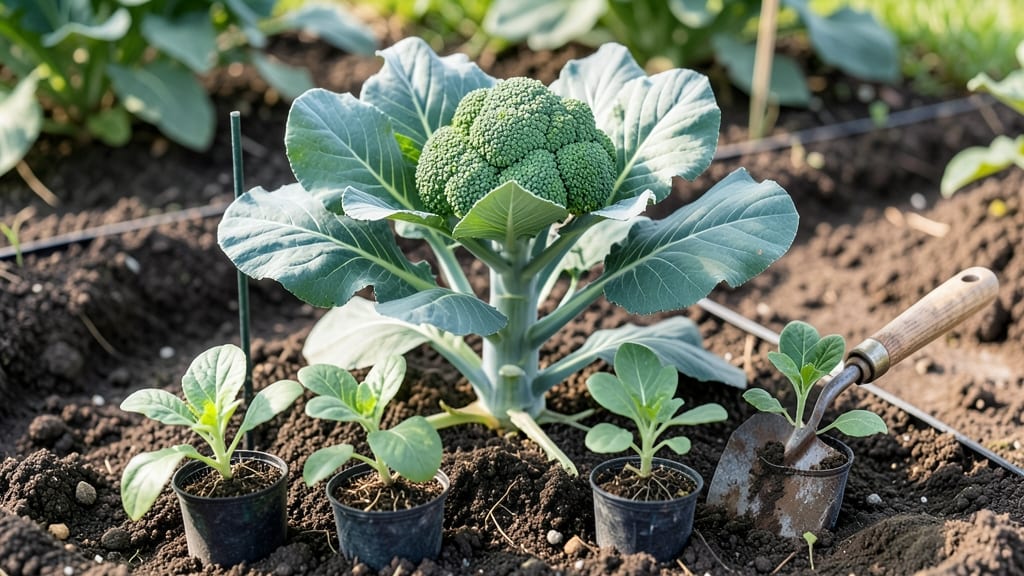
Timing your broccoli 🥦 planting in Wisconsin isn't just about the calendar—it's about outsmarting the chilly springs and early frosts that can turn your garden dreams into disappointment.
If you've ever watched your seedlings wilt under unexpected cold snaps or bolt too soon in the heat, you know how critical the right window can be.
Wisconsin's Zone 5-6 climate gives you two prime chances to grow cold-hardy broccoli varieties that thrive in your region.
Whether you're a first-time gardener or a seasoned green thumb, knowing exactly when to plant—from mid-April to early June for spring and mid-July to early August for fall—can mean the difference between a meager harvest and a garden overflowing with nutrient-packed heads.
I've spent years perfecting my own broccoli-growing routine in Wisconsin, and what I'm about to share will help you avoid the most common mistakes.
We'll cover how to time your plantings for optimal growth, which varieties handle Wisconsin's unpredictable weather best, and how to stretch your harvest season for fresh homegrown greens all the way through fall.
Ready to transform your garden into a broccoli powerhouse? Let's dive into the exact strategies that will have you enjoying crisp, homegrown 🥦 from July through November—no matter what Wisconsin throws your way.
Best planting times for broccoli in Wisconsin’s Zone 5-6 climate
Wisconsin’s Zone 5-6 climate demands precise timing for broccoli success. The key is planting when soil temperatures hover between 40°F and 85°F—too cold stalls growth, while heat causes bolting.
Most gardeners aim for two planting windows: early spring and late summer, each tailored to avoid Wisconsin’s notorious late frosts and early heat waves.
For spring plantings, start seeds indoors 4-6 weeks before your last frost date (typically mid-April to early May in Wisconsin). Transplant seedlings outdoors once soil warms to 40°F+ and nighttime temperatures stay above 35°F. This usually lands in late April to early May, depending on your microclimate.
Here’s the critical Wisconsin-specific timeline:
Northern Wisconsin (Zone 5a) gardeners should push spring plantings 2-3 weeks later than southern regions (Zone 6b) to avoid late May frosts. For example, in Green Bay, aim for mid-May transplants, while Madison can start as early as late April.
Fall plantings are equally critical. Start seeds indoors 10-12 weeks before your first frost (typically mid-July to early August) or direct-sow late July to early August.
Choose fast-maturing varieties (like ‘De Cicco’) to harvest before October’s early frosts. Use row covers to extend the season by 2-3 weeks.
Pro tip: Test soil temperature with a thermometer before planting—broccoli roots struggle in cold, wet soil. If temperatures dip below 40°F, delay planting or use black plastic mulch to warm the soil faster. This is especially important in Wisconsin’s clay-heavy soils, which stay cold longer.
For continuous harvests, stagger plantings every 2-3 weeks from mid-April to early July. This ensures you’re always harvesting fresh heads while avoiding the summer bolting that plagues Wisconsin gardens when temperatures exceed 80°F for prolonged periods.
Remember: Broccoli thrives in cool weather—Wisconsin’s Zone 5-6 climate is perfect if you time it right. Plant too early, and frosts will kill seedlings; plant too late, and summer heat will send your broccoli to flower prematurely. The 40°F-85°F soil temp window is your golden ticket to success.
🌱
Best planting times for broccoli in Wisconsin’s Zone 5-6 climate
Wisconsin’s Zone 5-6 climate offers two distinct windows for planting broccoli 🥦, but timing is everything. The key is to plant when soil temperatures hover between 40°F and 85°F—too cold, and seedlings stall; too hot, and they bolt prematurely.
For most Wisconsin gardeners, this means mid-April to early June for spring plantings and mid-July to early August for fall harvests.
Your last frost date (typically mid-May in most of Wisconsin) is your anchor. Aim to plant 4-6 weeks before this date for spring broccoli, giving seedlings time to establish roots before warmer weather arrives.
In the fall, start 10-12 weeks before the first frost (usually mid-October) to ensure mature heads before cold sets in.
| Planting Window | Soil Temp | Frost Risk | Harvest Time |
|---|---|---|---|
| Mid-April to Early June | 40°F–65°F | High (early spring) | July–August |
| Mid-July to Early August | 50°F–75°F | Low (late summer) | October–November |
Northern Wisconsin (Zone 5a) has shorter growing seasons, so focus on early-maturing varieties like ‘Waltham 29’ for spring plantings. Southern Wisconsin (Zone 6b) can stretch harvests later into fall with De Cicco or Calabrese, which tolerate cooler temps better.
Always check your local USDA frost map—even a 10-day difference can mean the difference between success and failure.
Pro tip: Use row covers for early spring plantings to protect seedlings from late frosts (which can kill young broccoli). Remove covers once plants are 6 inches tall to prevent overheating. For fall plantings, opt for shade cloth during scorching August days to keep soil temps ideal.
Microclimates matter! Gardens near Lake Michigan stay cooler longer, while inland areas heat up faster. If you’re in Milwaukee or Madison, you might push spring plantings 2 weeks later than rural areas. Always monitor your garden’s unique conditions—your neighbors’ success might not mirror yours.
Remember, soil temperature is more critical than air temperature. Use a soil thermometer ($10 at garden centers) to confirm readiness—broccoli roots need at least 40°F to thrive. If your soil runs cold, wait until temps stabilize before planting, even if the calendar says it’s time.