
Plants
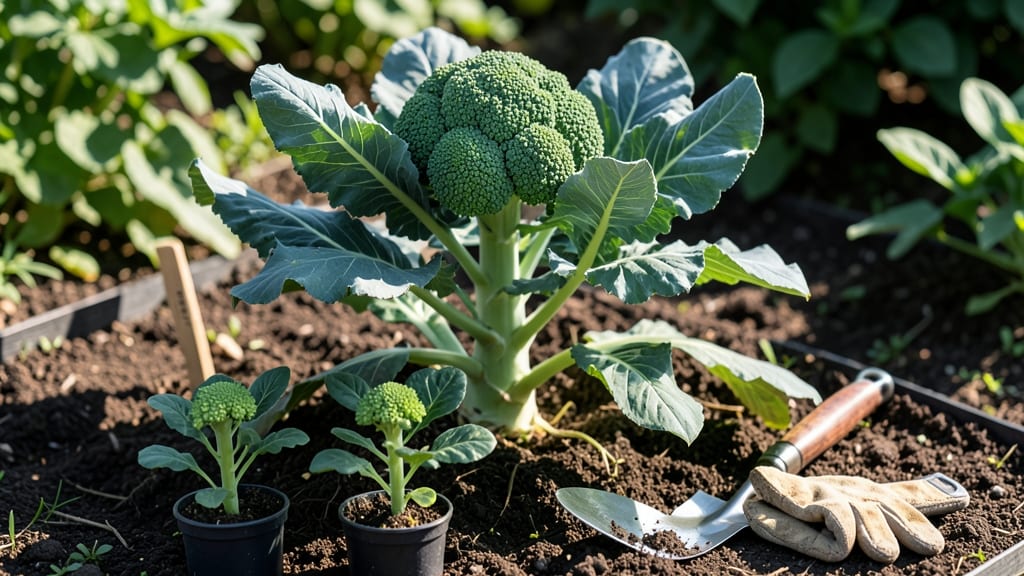
Timing your broccoli 🥦 planting in Indiana can mean the difference between a thriving garden and a wasted effort. The right frost-free window isn't just about dates—it's about understanding how your local climate behaves, especially in Zone 6a where last frosts can sneak in as late as April 15.
Plant too early, and a surprise freeze will turn your tender seedlings into sad, crispy snacks. Too late, and summer's heat will send your broccoli bolting before you get those perfect 4-8 inch heads.
The key is knowing exactly when to start seeds indoors or when to sow directly outside for both spring and fall harvests.
I've helped Indiana gardeners avoid these common mistakes for years, and what I'm about to share will give you the confidence to plant at the perfect moment. Whether you're growing 'Waltham 29' for early harvests or 'Calabrese' for fall crops, these timing strategies will maximize your yield.
Let's break down the exact planting windows for your region, including how to adjust for Indiana's microclimates and which varieties perform best in our short growing season. Your broccoli harvest is about to get a whole lot easier!
Indiana broccoli planting calendar: exact dates by Zone 5-6
Indiana's Zone 5-6 climate creates a 165-day frost-free window perfect for two broccoli harvests—spring and fall. Timing is critical because broccoli bolts (goes to seed) in summer heat, ruining your crop.
For Indianapolis (Zone 6a), the last spring frost typically arrives around April 15, while northern Indiana (Zone 5b) like Fort Wayne may see frost until May 1.
To maximize yields, plan for two planting windows: early spring (March-April) for a May-June harvest and late summer (July-August) for a September-October harvest. Fall plantings must happen 80-100 days before your first frost—usually mid-September for southern Indiana, earlier for northern areas.
For direct sowing, start seeds indoors 4-6 weeks before your last frost date. Transplants thrive when soil reaches 45°F+, typically by mid-April in southern Indiana and late April in northern regions. Hardier varieties like 'De Cicco' tolerate cooler soils better than 'Calabrese'.
| Planting Window | Action | Indiana Cities | Notes |
|---|---|---|---|
| Early Spring | Start seeds indoors (March 1-15) | Indianapolis, Bloomington | Transplant after last frost (April 15-30) |
| Early Spring | Start seeds indoors (March 15-April 1) | Fort Wayne, Gary | Transplant after last frost (May 1-15) |
| Late Summer | Direct sow seeds (July 15-August 15) | All Indiana regions | Use row covers for early frosts (Sept 15+) |
| Fall Harvest | Harvest before first frost (Sept-Oct) | Southern IN (Oct 15) | Northern IN (Sept 20) |
🌱 Pro Tip: Use frost cloth to extend fall harvests by 2-3 weeks
For Indianapolis gardeners, aim to transplant Waltham 29 by April 15 for a June harvest. This variety matures in 60-70 days, giving it time to produce before summer heat sets in.
In northern Indiana, opt for 'De Cicco', which handles cooler soils and has a 70-80 day maturity—perfect for late May plantings.
Fall plantings require precision: August 1-15 is ideal for direct sowing in southern Indiana, while northern areas should wait until mid-August. Use quick-maturing varieties like 'Packman' (50-60 days) to ensure harvests before frost. Space plants 18-24 inches apart to prevent crowding, which stresses broccoli and invites pests.
Monitor soil temperature with a thermometer—broccoli roots struggle below 45°F. If nights dip below 50°F, use black plastic mulch to warm the soil faster. This is especially critical in elevated areas like Brown County, where cold air pools and delays planting.
Indiana's microclimates mean your neighbor's perfect timing might fail for you. For example, urban Indianapolis (warmer due to pavement) can plant 1-2 weeks earlier than rural Vigo County. Always check your specific last frost date using the National Weather Service or local Cooperative Extension data.
If you miss the spring window, don't despair—succession planting every 2 weeks in July-August can still yield 3-4 harvests before frost. Just be prepared to thin seedlings aggressively to avoid overcrowding, which leads to bolting and disease.
Remember: Broccoli thrives in cool weather (60-70°F days, 40-50°F nights). Once temperatures exceed 80°F for more than 3 days, your plants will bolt. Use shade cloth (30-50%) during summer heatwaves to protect your crop.
How to adjust planting times for Indiana’s microclimates
Indiana’s diverse microclimates mean a 3-week difference in frost dates between northern and southern regions. For example, Brown County’s valleys stay cooler longer than urban Indianapolis, letting you plant broccoli 2 weeks earlier in spring. Understanding these variations helps you extend your growing season and avoid wasted seeds.
Cooler microclimates like Brown County or Hoosier National Forest areas experience frost 10-14 days later than cities. Use these zones for early spring plantings or fall succession crops. Warmer urban areas (e.g., Fort Wayne) may need row covers to protect seedlings from late frosts.
🌱
⚠️ Microclimate Mistake to Avoid
Planting too early in warm microclimates (like Evansville) can trigger premature bolting from heat stress. Always check local frost maps and adjust planting by 1-2 weeks based on elevation and urban heat.
For fall harvests, plant 80-100 days before first frost—typically late July to early August. In cooler valleys, extend this to mid-August for a second harvest window. Use heat-tolerant varieties like 'Belstar' in warmer microclimates to prevent bitter bolting.
Succession planting works best in warmer microclimates. Sow new seeds every 2 weeks from April to July for a continuous harvest. In cooler areas, focus on one main planting in spring and fall. Always monitor soil temperatures—broccoli thrives at 45-85°F.
Row covers are your best friend for extending seasons. Use them to push spring plantings 2-3 weeks earlier or delay fall harvests by 4 weeks. Remove covers during pollination to prevent pest buildup. For urban gardens, consider container growing—they warm up faster than in-ground soil.
Pro tip: Plant broccoli near dwarf tomatoes or bush beans in warmer microclimates—they provide light shade during peak summer heat. In cooler areas, pair with kale or spinach for seasonal succession. Always rotate crops yearly to prevent soil-borne diseases.