
Companion Plants
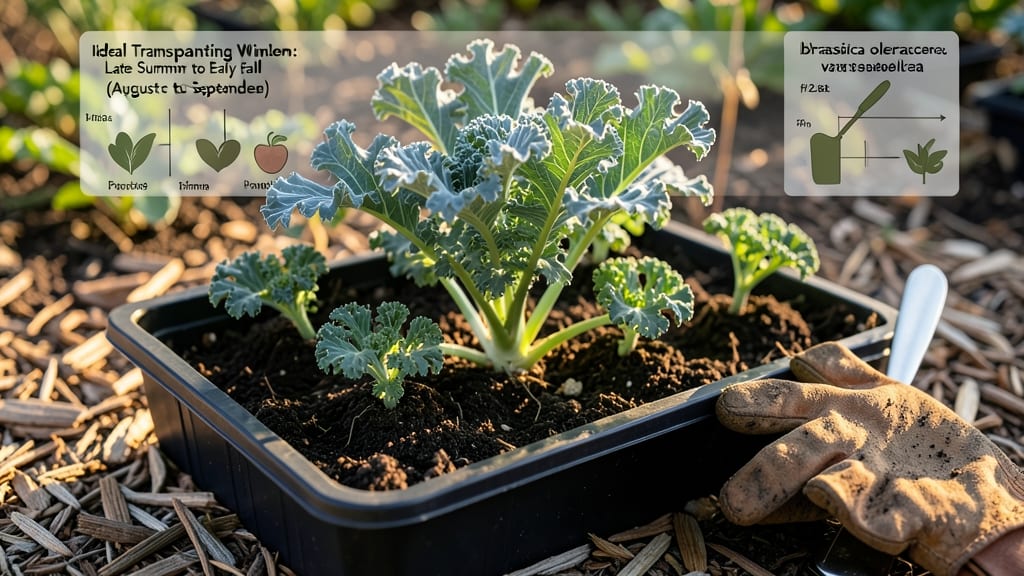
When to plant brassicas in Pennsylvania is the key to avoiding bitter, bolted greens and securing a steady harvest of tender broccoli, cabbage, and kale from May through October. The right planting window—whether it’s early spring or late summer—can push your growing season to its limits, giving you fresh greens from May through October.
Most gardeners in PA’s 5b-7a zones know the struggle: plant too early, and frost zaps your seedlings; wait too long, and the heat sends your brassicas running to seed.
But with the right strategy—like starting cool-loving varieties in March or succession planting in August—you can stretch your harvests well past the first frost.
I’ve tested the best approaches over the years, from transplanting hardy cabbage in February to direct-sowing kale in September. Whether you’re a first-time gardener or a seasoned pro, these proven timing tricks will help you avoid common pitfalls and maximize your brassica yield.
Ready to unlock a garden that keeps giving? Let’s dive into the exact frost-free timeline and variety-specific tips that work for Pennsylvania’s climate—no guesswork, just results.
PA brassica planting timeline: exact frost-free dates by hardiness Zone
Pennsylvania’s USDA Zones 5b-7a create unique challenges for brassica growers. Unlike heat-loving plants, these cool-season crops thrive when soil temperatures hover between 40°F and 75°F. Plant too early, and you risk bolting from cold stress; too late, and summer heat sends them into premature flowering.
The key? Align your planting with frost dates and soil warmth.
Most of PA experiences its last spring frost around April 15, but this varies by region. Pittsburgh (Zone 6a) often sees frost until April 22, while Philadelphia (Zone 7a) may be frost-free by April 1.
For fall plantings, the first frost typically arrives October 15, with Erie (Zone 6b) holding out until October 25.
Here’s how to translate these dates into actionable planting windows for your brassicas:
| Planting Window | Soil Temp Threshold | Action | Notes |
|---|---|---|---|
| Early Spring (Zones 5b-6a) | 40°F-50°F | Start seeds indoors 4-6 weeks before last frost (Feb-March) | Use row covers for cold protection |
| Spring Transplant (All Zones) | 50°F-60°F | Transplant 3-4 weeks before last frost (March-April) | Choose cold-hardy varieties like ‘Waltham’ broccoli |
| Late Summer (Succession) | 60°F-70°F | Direct sow 8-10 weeks before first frost (July-August) | Select heat-tolerant varieties like ‘Tendergreen’ kale |
| Fall Transplant (Zones 6b-7a) | 50°F-60°F | Transplant 6-8 weeks before first frost (August-September) | Use black plastic mulch to warm soil |
The 4-6 weeks before last frost rule applies to transplants, not direct sowing. Seedlings need time to establish roots before soil warms above 70°F, which triggers bolting. For direct-sown brassicas, aim for 2-3 weeks before last frost—just enough time for germination before soil heats up.
PA’s short growing season demands strategic planning. In Zone 5b, you’ll likely get one spring and one fall crop, while Zone 7a gardeners can squeeze in two spring crops with succession planting. Always check your local frost dates using resources like the Penn State Extension or Almanac.
For head brassicas like cabbage and broccoli, prioritize spring plantings. These varieties need cool nights (50°F-60°F) to form tight heads. Leafy brassicas (kale, collards) are more flexible—they’ll tolerate warmer fall temperatures and even light frosts, which sweeten their flavor.
Pro tip: Use soil thermometers to monitor temperatures. Brassicas prefer 50°F-60°F soil for germination. If your soil runs warmer than 75°F, opt for shade cloth or drip irrigation to keep roots cool and prevent bolting.
Remember, Pittsburgh’s microclimates can differ by 10°F from Philadelphia’s. Adjust your timeline based on your elevation and urban heat islands. City gardens often warm up 2-3 weeks earlier than rural areas, so plant 1-2 weeks later in suburban zones.
🌱
Best brassica varieties for PA gardens and their perfect planting months
Pennsylvania’s variable climate demands brassica varieties that thrive in both cool springs and late-summer heat. The right variety planted at the right time ensures sweet, tender harvests instead of bitter, bolted greens.
I’ve grown these top-performing brassicas in my PA garden, and they consistently deliver—whether you’re in Pittsburgh’s Zone 6b or Philadelphia’s Zone 7a.
For early spring plantings, focus on cold-hardy varieties like ‘Waltham’ broccoli or ‘January King’ cabbage, which tolerate light frosts and mature quickly. These should hit the soil 4-6 weeks before your last frost date (typically mid-March to early April).
In contrast, late-summer varieties like ‘Tendergreen’ kale or ‘Tokyo Bekana’ mustard greens thrive in cooler fall temperatures and should be sown 8-10 weeks before your first frost (late July to early August).
| Variety | Ideal Planting Window | Days to Maturity | PA-Specific Tip |
|---|---|---|---|
| ‘Waltham’ Broccoli | March 15–April 15 | 50–65 days | Plant in partial shade if spring heat arrives early. |
| ‘January King’ Cabbage | March 1–April 10 | 70–90 days | Use row covers for early plantings to prevent frost damage. |
| ‘Tendergreen’ Kale | July 15–August 15 | 45–55 days | Tolerates light frost—harvest until hard frost. |
| ‘Tokyo Bekana’ Mustard Greens | August 1–September 1 | 30–40 days | Quick-growing—perfect for succession planting. |
| ‘Red Russian’ Kale | March 10–April 20 or August 1–September 10 | 50–60 days | Sweeter after light frost—ideal for fall harvests. |
If you’re starting from seed, begin ‘Waltham’ broccoli indoors in February for transplanting in March, while ‘Tendergreen’ kale can be direct-sown in late July without any indoor prep.
For transplants, buy cold-hardy varieties from local nurseries in early spring—avoid tropical brassicas like ‘Calabrese’ broccoli, which bolt quickly in PA’s heat.
Pro tip: Succession plant fast-maturing varieties like ‘Tokyo Bekana’ every 2 weeks in August to keep a steady supply of greens through fall. I’ve extended my harvests by 6 weeks using this method, even in Zone 6b.
Pair these with shade cloth in late summer to protect tender seedlings from heat stress.
For winter storage, choose ‘January King’ cabbage or ‘Winterbor’ kale, which store well in a cool, dark root cellar for months. These varieties are my go-to for holiday harvests—just plant them by mid-August to ensure maturity before frost.