
Plants
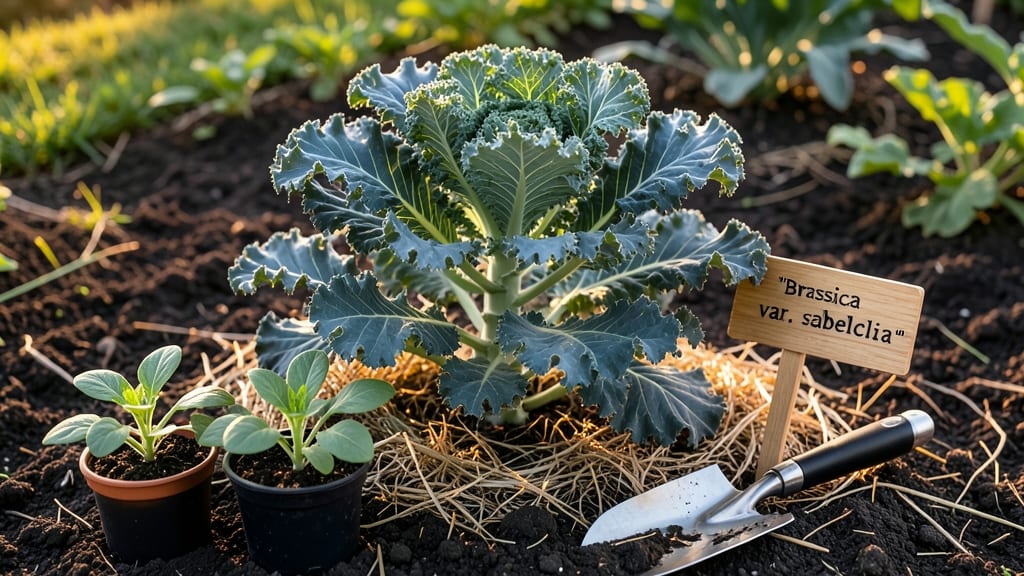
When to plant brassicas in Michigan at the right time can make all the difference between a lush, bountiful harvest and a disappointing loss to frost or heat. That’s why knowing the best planting windows is the first step to growing thriving broccoli, cabbage, and kale—without the guesswork.
Michigan’s unpredictable springs and early frosts make brassicas a tricky but rewarding crop. Whether you’re a first-time gardener or a seasoned green thumb, getting the planting window right is key to avoiding common mistakes like bolting or stunted growth.
Let’s break down the best times to sow seeds or transplant starts so you can enjoy fresh, homegrown brassicas all season.
From early spring plantings to late-summer succession crops, we’ll cover the exact frost dates and soil temperatures that work for Michigan’s diverse regions. You’ll discover which varieties thrive best in your area and how to protect your plants from late frosts or heat stress.
Ready to turn your garden into a brassica powerhouse?
No more second-guessing—just a clear, actionable schedule tailored to Michigan’s climate. Let’s get those brassicas in the ground at the perfect moment for a bumper harvest!
Michigan brassica planting calendar by last frost date
Michigan’s last frost dates vary dramatically across regions—from May 15 in the Lower Peninsula to June 1 in the Upper Peninsula. Brassicas like broccoli, cabbage, and kale thrive when soil reaches 40–50°F, but timing is critical to avoid frost damage or heat stress.
Here’s your region-specific planting schedule for both direct-seeding and transplanting.
For Southern Michigan (e.g., Detroit, Ann Arbor), aim to start transplants indoors by March 15 and harden off seedlings by April 15. In Northern Michigan (e.g., Traverse City, Marquette), delay until April 1 indoors and May 15 outdoors.
The Thumb Region (e.g., Battle Creek) falls in between, with April 1–May 1 as the sweet spot.
🌱 Pro Tip: Use row covers to extend your season by 2–3 weeks in early spring or late fall. This lets you plant 4–6 weeks earlier than the last frost date without risking frost damage.
Brassicas like broccoli and Brussels sprouts prefer cool weather (60–70°F) and can handle light frosts after transplanting. For early spring plantings, choose fast-maturing varieties (e.g., ‘De Cicco’ broccoli, 58 days to harvest) to avoid bolting in summer heat.
In contrast, fall plantings should focus on cold-hardy varieties like ‘Winterbor’ kale or ‘January King’ cabbage.
🌿 Key Mistake: Planting too late in spring leads to bolting (premature flowering) when days lengthen. To prevent this, sow succession crops every 2 weeks from April to July for a continuous harvest. For example, plant cabbage on April 15, May 1, and May 15 to stagger maturity.
Michigan’s first frost typically arrives between October 15 (Southern MI) and September 15 (Northern MI). To extend your harvest, use row covers or cold frames until November 1. Kale and collards actually sweeten after frost, making them ideal for fall/winter harvests.
Plan to direct-sow these 6–8 weeks before your first frost for a late-season bounty.
💧 Soil Prep Tip: Brassicas thrive in slightly acidic soil (pH 6.0–7.0). Before planting, amend your soil with compost and lime (if pH is below 6.0) to prevent clubroot disease, a common issue in Michigan gardens.
Test your soil in early spring to give amendments time to work before transplanting.
For container gardening, start transplants 4–6 weeks earlier indoors and use 5-gallon pots for mature plants. Containers warm up faster than garden beds, so monitor soil temperature closely—brassicas won’t germinate well in soil below 40°F.
In Northern Michigan, consider using black plastic mulch to raise soil temps by 5–10°F and
Pro tips to extend brassica growing in Michigan’s unpredictable spring
Michigan’s unpredictable spring frosts can devastate young brassica seedlings if you’re not prepared. I’ve learned the hard way that even hardy varieties like kale need extra protection when nighttime temps dip below 28°F.
The key is combining smart timing with protective measures to extend your growing season by 4-6 weeks.
First, always check your local last frost date—Michigan’s ranges from May 10 (southern regions) to June 1 (northern regions). But don’t rely solely on averages; use a frost prediction app like Old Farmer’s Almanac or set up your own frost alarms with a thermometer in your garden.
I keep mine near my brassica seedlings to monitor overnight temps.
🌱 5 Pro Tips for Michigan Brassica Success
- 1. Use row covers for 30-50°F nights—lightweight fabric blocks 90% of light while allowing airflow. I swear by floating row covers for my early cabbage transplants.
- 2. Succession plant every 2 weeks starting 4-6 weeks before last frost. This ensures a continuous harvest even if early plantings fail.
- 3. Amend soil with lime (pH 6.5-7.0) to prevent clubroot disease, common in Michigan’s acidic soils. Test your soil in early spring—I add pelletized lime at 20 lbs per 100 sq ft.
- 4. Plant radishes as trap crops—they attract flea beetles away from your broccoli and kale. I interplant them 2 weeks before brassicas.
- 5. Mulch with straw to insulate roots during daytime heat waves (common in July-August). A 3-inch layer keeps soil temps stable.
Don’t overlook companion planting—I pair my Brussels sprouts with bush beans to fix nitrogen in the soil while deterring cabbage worms. Another trick? Plant garlic around the perimeter—its scent confuses cabbage moths.
For late-season brassicas, I use black plastic mulch to warm soil and extend harvests into October.
If a late frost hits after transplanting, cover plants with burlap sacks or old bedsheets secured with bricks. Remove them by 10 AM to prevent heat stress. I’ve saved entire cabbage beds this way during May frosts—it’s a game-changer for Michigan gardeners.
Finally, monitor your soil moisture closely. Brassicas need 1-1.5 inches of water weekly, but overwatering in cool weather leads to rot. I use a moisture meter to check soil depth—aim for consistent dampness, not sogginess.
In dry spells, water deeply in the morning to prevent fungal spores from spreading.
With these strategies, I’ve successfully grown brassicas year-round in my Zone 5b garden, even through Michigan’s unpredictable springs. The secret? Stay flexible, protect your plants, and adapt quickly to Mother Nature’s whims. Your harvest will thank you! 🌿