
Plants
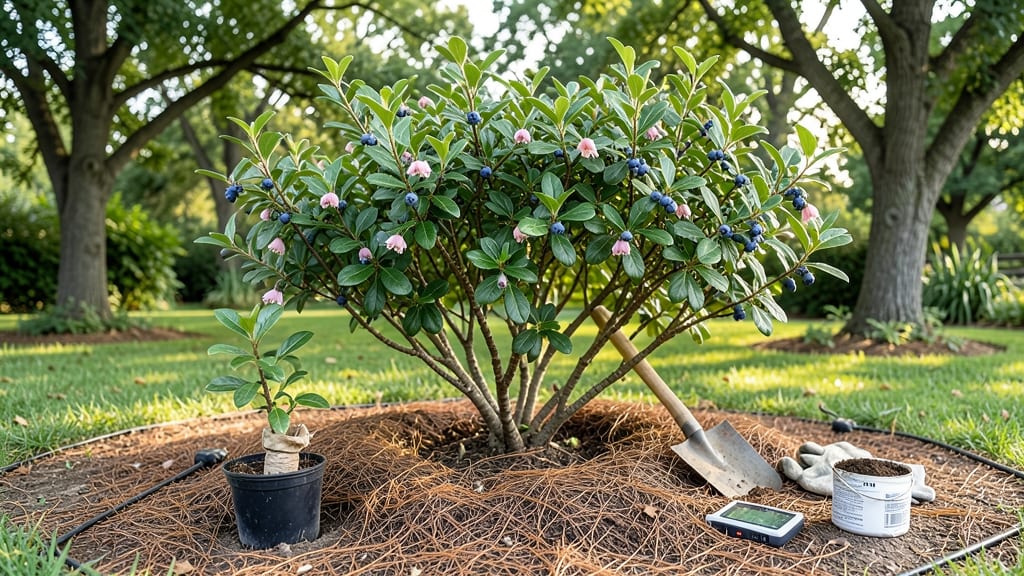
Planting your 🫐 blueberries at the wrong time in Zone 9’s hot climate can trigger premature bolting—ruining your harvest before it even starts. Unlike cooler regions, timing isn’t just about seasons here; it’s about avoiding heat stress and ensuring your plants establish strong roots before summer’s intensity kicks in.
In Zone 9 (think Southern California, Arizona, or Nevada desert regions), the best window to plant blueberries is late fall to early spring—when soil temperatures stay cool and evaporation is lower.
This gives young plants a fighting chance to root deeply before the heat arrives, setting them up for a productive life.
But here’s the catch: even within that window, temperature matters more than dates. Aim for soil temps between 45–65°F—too warm, and your blueberries may bolt (flowering early) or struggle to adapt.
I’ll show you exactly how to time it right, whether you’re planting in November’s mild air or February’s last cool snap.
Ready to avoid the common mistakes that kill blueberry plants in Zone 9? Let’s dive into the cool-season slots that actually work—and how to prep your soil and site for success before the first heatwave hits.
Optimal planting windows for blueberries in Zone 9 (with temperature guidelines)
Zone 9’s mild winters and hot summers create unique challenges for blueberry growers. Unlike cooler climates, fall and winter are your best planting windows—when soil temps stay between 45–65°F and heat stress is minimal. Planting in November through February gives roots time to establish before summer’s intensity.
Blueberries hate heat shock, so avoid spring planting (March–May) unless you’re in coastal microclimates with cooler temps. Inland Zone 9 areas (like Phoenix or Las Vegas) should wait until late winter to reduce bolting risk. Even then, acclimate plants gradually to full sun.
Here’s how microclimates affect timing: Coastal areas (e.g., San Diego) can plant as late as February thanks to ocean breezes, while inland deserts (e.g., Palm Springs) must plant by January to avoid early-season heat waves.
If you miss the fall/winter window, consider container gardening to control soil temps. Containers warm up faster, so bury them in shaded garden beds during summer months. Use black plastic mulch in winter to insulate roots—Zone 9’s mild nights can still dip into the 40s°F.
Pro tip: Soak bare-root plants for 2–4 hours before planting to revive roots. Zone 9’s dry air dries out roots 3x faster than humid climates. After planting, water deeply and apply 3 inches of mulch to retain moisture and regulate soil temp.
Watch for premature flowering in spring—this is your plant’s way of saying, “It’s too hot!” If you see buds forming by February, prune them immediately and provide afternoon shade with a 50% shade cloth. This buys you time until temps drop.
For urban gardeners, prioritize northern exposures or east-facing beds. South/west exposures in Zone 9 can push soil temps to 80°F+ by noon—enough to cook roots. If your yard has no shade, plant in containers and move them under a patio or pergola during peak heat.
Remember: Blueberries need chill hours (300–600 hours below 45°F) to set fruit. Zone 9 rarely hits these temps, so choose southern-highbush varieties like ‘Misty’ or ‘O’Neal’—they tolerate minimal chill better than northern cultivars.
Optimal planting windows for blueberries in Zone 9 (with temperature guidelines)
In Zone 9, the ideal planting window for blueberries stretches from late fall to early spring, but timing isn’t one-size-fits-all. Coastal areas (like San Diego) have milder winters, while inland desert regions (like Phoenix) face sharper temperature swings.
The key is planting when soil temps stay between 45–65°F—this prevents heat shock and bolting, which can ruin your harvest before it starts.
For most of Zone 9, November through February is your safest bet. This aligns with the plant’s natural dormancy period and gives roots time to establish before summer heat arrives. However, if you’re in a coastal microclimate, you might extend planting into March—just monitor soil temps closely.
Avoid planting in summer or early fall; the heat will stress young plants, leading to poor root development.
Here’s the breakdown of your two best planting periods, including temperature targets and microclimate adjustments:
| Planting Period | Ideal Soil Temp | Zone 9 Microclimate Notes | Key Advantage |
|---|---|---|---|
| Late Fall (Nov–Dec) | 50–65°F | Coastal: Mild, less evaporation. Inland: Cooler nights, warmer days—water deeply. | Roots establish before winter rains; minimal heat stress. |
| Early Spring (Jan–Feb) | 45–55°F | Coastal: Stable temps. Inland: Risk of sudden heat—plant in shade cloth if needed. | Avoids summer heat; aligns with natural growth cycle. |
| Extended (March) | Up to 60°F (coastal only) | Only for coastal Zone 9; use shade cloth and mulch heavily. | Last chance for container growers or urban gardens. |
Pro tip: Use a soil thermometer to check temps before planting—this is especially critical in inland areas where daytime heat can spike even in winter. If your soil runs warmer than 65°F, delay planting until conditions cool.
For container growers, this means waiting until late winter or early spring, even if you’re eager to start.
Once you’ve nailed the timing, the next critical step is soil prep. Blueberries are finicky about acidity (pH 4.5–5.5) and drainage—skipping this can lead to nutrient deficiencies or root rot.
In my next section, I’ll walk you through how to create the perfect acidic bed or container mix for Zone 9’s hot, often alkaline soils.
🌱