
Plants
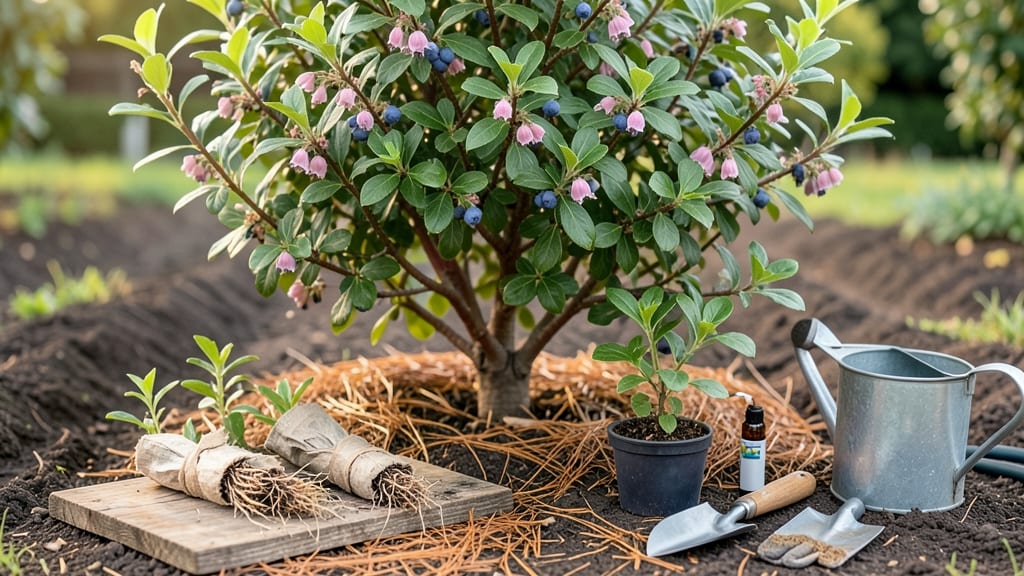
If you've ever planted blueberries in Arkansas only to watch your bushes struggle through the summer heat, you're not alone. The key to success isn't just about when you plant—it's about matching your variety to Arkansas' unique climate zones and chill-hour needs.
With USDA Zones 7a-8b bringing both early springs and long, humid summers, timing matters more than most gardeners realize. Plant too early, and your bushes may not establish roots before the heat sets in. Plant too late, and they might not get enough winter chill to produce fruit.
I've tested dozens of Southern varieties like 'Climax' and 'Powderblue' right here in Arkansas, and the difference between a bountiful harvest and a disappointing one often comes down to a few weeks of precise timing. Let me show you exactly when to plant for maximum sweetness and yield.
Whether you're working with in-ground bushes or container gardens, we'll cover the ideal planting window, soil prep secrets, and how to adjust for Arkansas' unpredictable frost patterns. Your perfect blueberry patch starts with the right move—and this is it.
Best planting months for Arkansas blueberries by chill-hour zones
Arkansas's USDA Zones 7a-8a create unique challenges for blueberry growers, where chill-hour requirements (500-900 hours) must align with Southern heat tolerance. Unlike Northern varieties, Southern blueberries need early spring planting to establish roots before summer's intensity.
The best window is February through early April, with March being ideal for most regions.
If you're in Zone 7a (Northern Arkansas), aim for late February to early March to avoid late frosts. Gardeners in Zone 8a (Southern Arkansas) can plant as late as mid-April, but March is still preferred.
Fall planting is not recommended in Arkansas due to inconsistent chill hours and summer heat stress.
Blueberries thrive with 600-900 chill hours, which Arkansas typically meets. Varieties like 'Climax' (600 hours) and 'Powderblue' (800 hours) are perfect for the state. For container growing, plant in February to give roots time to establish before summer's heat peaks.
Here’s how Arkansas’s microclimates break down for optimal planting:
| Zone & Location | Best Planting Month | Chill-Hour Needs | Key Variety Examples |
|---|---|---|---|
| Zone 7a (North AR: Fayetteville, Harrison) | Late February - Early March | 600-800 hours | 'Climax,' 'Premier' |
| Zone 7b (Central AR: Little Rock, Hot Springs) | Early March - Mid-March | 700-850 hours | 'Powderblue,' 'Tifblue' |
| Zone 8a (South AR: El Dorado, Texarkana) | Mid-March - Early April | 500-700 hours | 'Centennial,' 'Peach Sorbet' |
| All Zones (Container Growing) | February (earlier = better) | 600+ hours | 'Top Hat,' 'Sunshine Blue' |
For bare-root plants, soak roots in water for 2-4 hours before planting to reduce transplant shock. Arkansas’s clay-heavy soils require amending with peat moss or pine bark fines to improve drainage. After planting, mulch with pine straw to maintain soil acidity and moisture.
If you miss the spring window, consider fall planting in October only for Zone 7a—but this is risky due to Arkansas’s unpredictable winters. Always check your local last frost date (typically March 15) to time planting perfectly.
Blueberries need 2-3 years to mature and produce fruit, so plant early to maximize harvests. In Arkansas, this means prioritizing March for in-ground plantings and February for containers to outpace summer heat.
Pro tip: Use a soil pH test kit before planting—Arkansas soils often need sulfur or aluminum sulfate to reach the ideal pH 4.5-5.5. Adjust soil 2-3 months before planting for best results.
Once established, blueberries in Arkansas can produce 1-2 pounds of berries per bush annually, with peak yields in years 4-6. Early planting ensures your bushes are ready to thrive during Arkansas’s hot, humid summers. 🫐
Best planting months for Arkansas blueberries by chill-hour zones
Arkansas spans USDA Zones 7a-8a, where chill-hour requirements (300-900 hours below 45°F) dictate the best blueberry varieties and planting windows. Southern varieties like 'Climax' (500-600 chill hours) thrive in Zone 8a, while 'Powderblue' (700-800 chill hours) suits Zone 7a.
Timing your plantings to avoid late frosts (after March 15) and summer heat stress is critical for success.
Most Arkansas gardeners plant bare-root blueberries in late winter (February) or container-grown plants in early spring (March-April). For fall planting, aim for October-November before the first frost (November 15), but this is riskier in colder microclimates like the Ozark Mountains.
Always check your local chill-hour zone—tools like the Arkansas Cooperative Extension Service can help.
🌱
📅 Arkansas Blueberry Planting Timeline by Chill Hours
| Chill-Hour Range | Best Varieties | Ideal Planting Window | USDA Zone | Key Tip |
|---|---|---|---|---|
| 500-600 | Climax, Powderblue | Feb-March (bare-root) or Oct-Nov (container) | 8a | Avoid fall planting in Zone 8a |
| 600-700 | Premier, Tifblue | March-April (bare-root or container) | 7b-8a | Mulch heavily to retain moisture |
| 700-800 | Duke, Sharpblue | Feb-March (bare-root) or Sept-Oct (container) | 7a-7b | Plant in raised beds for drainage |
| 800+ | Bluecrop, Jersey | March-April (container only) | 6b-7a | Not ideal for Arkansas heat |
💡 Pro Tip: Test soil pH (4.5-5.5) before planting—Arkansas clay soils often need sulfur amendments.
If you’re planting bare-root blueberries, do it as soon as possible after purchase—they dry out quickly. For container-grown plants, March-April is safest, giving roots time to establish before summer heat (June-August) peaks.
In northern Arkansas (Zone 7a), a late frost risk exists until April 15, so delay planting until after this date.
For container gardening, you can plant anytime the ground isn’t frozen, but spring (March-April) is ideal. Containers warm up faster in spring, reducing transplant shock. If you’re in southern Arkansas (Zone 8a), February planting works well—just protect young plants with row covers if frost threatens.
🌡️
Remember, blueberries need 6+ hours of sun daily—choose a south-facing spot with afternoon shade in Zone 8a to prevent heat stress. In Zone 7a, full sun is fine, but mulch with pine straw to retain moisture and acidify the soil naturally.
Start with well-amended soil (peat moss + compost) to give your blueberries the acidic, well-draining conditions they crave.