
Plants
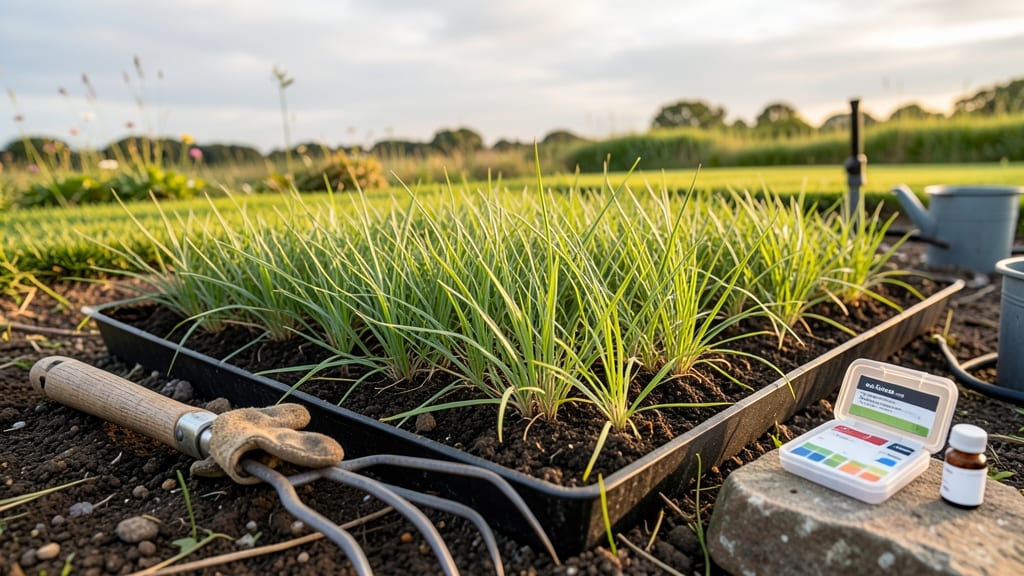
Planting Bermuda grass seed in South Carolina at the wrong time can mean wasted effort—or even failed growth—thanks to the state’s brutal summer heat and unpredictable spring weather. Timing is everything, and getting it right ensures a lush, drought-resistant lawn that thrives year-round.
If you're ready to transform your 7b-8a zone yard into a vibrant green space, late spring to early summer is your best window—May through early June. This period balances soil warmth and moisture, giving your 🌱 Bermuda grass the perfect start before summer’s intensity kicks in.
But here’s the catch: planting too early risks frost damage, while waiting too long can trigger summer dormancy. I’ll break down the exact conditions to watch for, plus pro tips to beat South Carolina’s climate challenges and keep your lawn looking its best.
Let’s dive into the game-changer strategies that’ll have your grass growing strong, even in the heat. You’ll learn how to prep your soil, time your planting, and avoid common pitfalls that derail even the best-laid plans.
Optimal planting windows for Bermuda grass seed in South Carolina’s climate zones
South Carolina’s USDA zones 7b-8a create a unique challenge for Bermuda grass seed planting—too early and frost lingers, too late and summer’s intense heat stalls germination. The ideal window is late spring to early summer, but timing varies by region.
In Upstate SC (Zone 7b), aim for mid-April to early May when soil warms to 65°F (18°C). Coastal areas (Zone 8a) should wait until late May to avoid heat stress.
Bermuda grass thrives in full sun (6+ hours daily), but South Carolina’s late spring heat wave (May-June) can scorch seeds if planted too soon. The critical threshold is soil temperature: seeds need consistent warmth above 65°F to sprout.
Use a soil thermometer to confirm readiness—planting before this temperature risks poor germination.
For the best results, schedule planting after your area’s last frost date (typically March 15 in Upstate, March 1 in Coastal SC). However, rushing into early May can still expose seeds to unpredictable cold snaps.
My rule of thumb? Wait until mid-May for most of the state to balance warmth and moisture.
Avoid planting after June 15—this triggers summer dormancy in Bermuda grass. The peak window is late May to early June, when temperatures stabilize and rainfall increases. This aligns with Bermuda grass’s natural growth cycle, ensuring strong root establishment before summer’s intense heat sets in.
Here’s a quick region-specific breakdown to help you decide:
🌱 Bermuda Grass Planting Windows by South Carolina Region
| Region | USDA Zone | Best Planting Window | Soil Temp Threshold | Key Risk |
|---|---|---|---|---|
| Upstate (Greenville, Spartanburg) | 7b | Mid-April to early May | 65°F (18°C) | Late frost |
| Piedmont (Columbia, Rock Hill) | 7b-8a | Late April to mid-May | 65°F (18°C) | Heat stress |
| Coastal (Charleston, Myrtle Beach) | 8a | Late May to early June | 68°F (20°C) | Summer dormancy |
If you’re in Zone 7b, don’t wait past May 15—the heat wave will dry out seeds before they sprout. For Zone 8a, push to early June to avoid summer dormancy.
Pro tip: Overseed in late summer (August) for a second growth cycle, but this requires careful watering to prevent fungal diseases.
South Carolina’s humidity and afternoon thunderstorms also play a role. Plant in the early morning to avoid midday heat stress on seeds. Lightly water the soil before planting to create a moist seedbed, but avoid soggy conditions, which can lead to rot.
One common mistake? Planting Bermuda grass seed in fall. While some grasses thrive in fall planting, Bermuda grass goes dormant in winter and may not recover.
Stick to spring/early summer for the best establishment. If you miss the window, consider sod instead—it establishes faster in high-heat conditions.
For maximum success, monitor your lawn’s microclimate. Shady spots or areas near large trees may need earlier planting to compensate for cooler soil temperatures. Use a shade cloth in early summer if seedlings appear stressed by direct sun.
Remember: Bermuda grass spreads aggressively, so timing affects not just germination but also long-term density. Plant at the right time, and you’ll have a thick, drought-resistant lawn by late summer—just in time for South Carolina’s hot afternoons.
Optimal planting windows for Bermuda grass seed in South Carolina’s climate zones
South Carolina’s USDA zones 7b-8a create unique challenges for Bermuda grass seed germination. The key is planting when soil temperatures hit 65°F (18°C)—typically late May to early June—to avoid summer dormancy while escaping late spring frost risks.
In coastal areas like Charleston, this window shifts slightly earlier due to warmer microclimates.
For inland regions (e.g., Columbia or Greenville), aim for mid-May when daytime highs consistently exceed 75°F. Mountainous areas like the Upstate may need to wait until early June to ensure soil warmth. Always check your local National Weather Service for frost-free guarantees.
Here’s the critical 30-day rule: Plant at least 30 days before summer’s peak heat (usually by June 15) to give seeds time to establish roots before drought stress sets in. Late plantings after this date often struggle to germinate.
| Zone & Region | Best Planting Window | Soil Temp Threshold | Key Risk |
|---|---|---|---|
| Coastal (7b): Charleston, Hilton Head | Late April - Mid-May | 60-65°F (15-18°C) | Salt spray damage |
| Piedmont (7b-8a): Columbia, Greenville | Mid-May - Early June | 65-70°F (18-21°C) | Late frost |
| Upstate (8a): Spartanburg, Greer | Early June - Mid-June | 70-75°F (21-24°C) | Summer drought |
Pro tip: Use a soil thermometer to verify temperatures at 2-inch depth. If readings dip below 60°F, delay planting by 1-2 weeks. Bermuda grass seeds need consistent warmth to germinate—cold snaps after planting can stall growth entirely.
For established lawns, overseeding in late August (after summer heat peaks) can thicken coverage. But for new seed, stick to the spring window—this is when Bermuda grass shows its fastest growth rates in South Carolina’s climate.
Remember: Bermuda grass is a warm-season grass, meaning it goes dormant in winter. Planting too early risks frost damage, while waiting too long means seeds won’t germinate before summer’s intensity. Balance is key!