
Plants
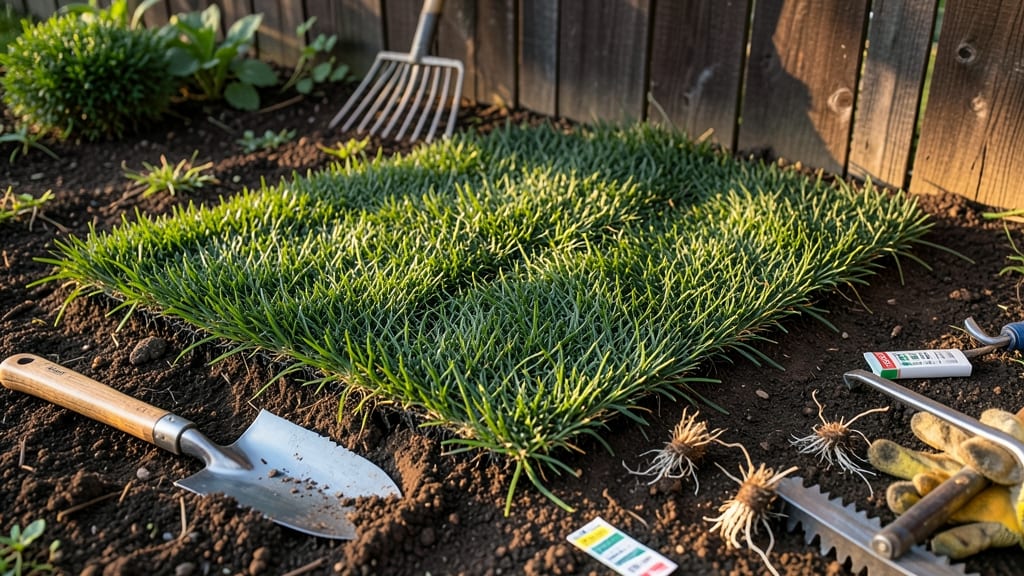
Planting Bermuda Grass 🌱 at the wrong time in Virginia can mean the difference between a lush, green lawn and a patchy, struggling one. With the state's 6a-8a climate, timing isn't just important—it's the foundation for fast, healthy establishment.
Most Virginia gardeners make one of two mistakes: planting too early when soil is still cool or waiting too late when summer heat arrives.
The ideal window is actually quite specific—mid-April to mid-May for spring or late August to early September for fall—when soil temperatures hit that sweet spot of 75°F+.
Why does this matter? Because Bermuda Grass is a warm-season grass that needs consistent warmth to germinate properly. Planting outside these windows can lead to slow growth, poor root development, and even failure to establish before winter sets in.
In this guide, I'll break down exactly when to plant for your specific Virginia location, whether you're in the cooler northern regions or the warmer southern areas. You'll also learn how to prepare your soil and avoid common pitfalls that trip up even experienced gardeners.
Let's get your lawn off to the fastest, most successful start possible.
Best time to plant Bermuda grass in Virginia: spring vs fall comparison
Virginia’s climate—with its hot summers and humid conditions—creates the perfect environment for Bermuda grass, but getting the planting timing right is non-negotiable. This warm-season grass thrives when soil temperatures stay above 65°F (18°C), which means late spring or early fall are your best bets.
Planting too early risks frost damage, while waiting too long can leave your lawn vulnerable to summer heat stress or fall weeds. Let’s break down the ideal windows and why each season works (or doesn’t) for Virginia’s USDA zones 6a-8a.
Most Virginia gardeners swear by late spring planting (May-June) because it aligns with the grass’s natural growth cycle. However, early fall (August-September) can also work—if you’re in Southern Virginia where frost arrives later. The key? Soil temperature, not just calendar dates.
A soil thermometer is your best friend here, as Bermuda grass won’t germinate until the ground warms up. In Northern Virginia (zones 6a-7a), aim for after May 15, while Southern Virginia (zones 7b-8a) can start as early as mid-April.
🌱
If you’re in Northern Virginia (e.g., Arlington, Fredericksburg), spring planting is your safest bet. The risk of late frosts in April or May means fall planting is often too late—your grass won’t have enough time to establish before winter.
In contrast, Southern Virginia (e.g., Norfolk, Richmond) can pull off fall planting more successfully, thanks to milder winters. That said, August is the absolute latest you should plant, as September brings cooler nights that slow germination.
One common mistake I see? Gardeners planting Bermuda grass in early spring (March-April) because they think “earlier is better.” Big mistake. Cool soil temps stall germination, leaving your lawn patchy and weak.
Even if you use sod instead of seed, the roots won’t anchor properly until the ground warms up. Wait for consistency: Aim for three consecutive days where the soil stays above 65°F before you plant.
Another critical factor is rainfall timing. Virginia’s spring is wet, which can lead to soil compaction and poor drainage—two enemies of Bermuda grass.
If you’re planting in May, keep an eye on the forecast. Too much rain can wash away seeds or drown young sod. Drip irrigation or soaker hoses are your best friends here, as they deliver water slowly and evenly without disrupting the soil.
For fall planting, the goal is to get the grass well-established by October. This means no late-season fertilizing (which encourages tender new growth) and minimal foot traffic on the lawn.
If you’re in zone 7a or cooler, September 1st is your cutoff. After that, the days get shorter, and the grass won’t have enough energy to root deeply before winter.
🌿
So, which season should you choose? Spring wins for most Virginia gardeners because it gives Bermuda grass 6-8 months of growing time before winter dormancy. But if you’re in Southern Virginia and committed to fall planting, late August is your sweet spot.
Just remember: Soil temperature > calendar dates. Skip the guesswork—grab a soil thermometer, check those temps, and plant when the conditions are truly right. Your lawn will thank you with thick, green coverage all summer long.
✂️
Best time to plant Bermuda grass in Virginia: spring vs fall comparison
Virginia’s USDA zones 6a-8a create unique challenges for Bermuda grass planting. The ideal window spans late spring (May-June) or early fall (August-September), when soil temperatures consistently stay above 65°F (18°C).
This warm-season grass thrives when nights remain above 55°F (13°C), which is why timing varies dramatically between Northern and Southern Virginia.
In Northern Virginia (USDA 6a-7a), the growing season is shorter, so late May to early June is critical. Southern Virginia (USDA 7b-8a) gardeners have more flexibility, with mid-April to mid-May or late August to early September working well. Planting outside these windows risks slow germination or winter kill.
🌱 Key Difference: Spring planting gives Bermuda grass 8-10 weeks of active growth before summer heat, while fall planting avoids peak summer stress and allows roots to establish before winter dormancy.
Spring vs Fall Planting Comparison for Virginia
| Factor | Spring Planting (May-June) | Fall Planting (Aug-Sept) |
|---|---|---|
| Soil Temp | 65-85°F (18-29°C) | 70-80°F (21-27°C) |
| Growth Window | 8-10 weeks before summer dormancy | 6-8 weeks before frost |
| Water Needs | High (spring rains help) | Moderate (fall drought risk) |
| Weed Competition | Moderate (spring weeds emerge) | Low (weeds dormant) |
| Best For | Fast summer coverage | Strong root establishment |
For Northern Virginia, aim for after Memorial Day when soil temps reliably exceed 70°F (21°C).
In Southern Virginia, you can start as early as mid-April if using sod, which establishes faster than seed. Fall planting is riskier in Northern VA due to earlier frosts, but Southern regions can extend the window until mid-September.
Pro tip: Use a soil thermometer to confirm temps before planting. Bermuda grass seeds won’t germinate below 65°F (18°C), even if air temps are warmer. Sod is more forgiving but requires immediate watering to root.
Remember: June planting is a common mistake in Virginia—by then, summer heat can stress new grass. If you miss spring, August is your last safe window before winter dormancy sets in. Plant too late, and your lawn may struggle to recover before frost. ☀️