
Plants
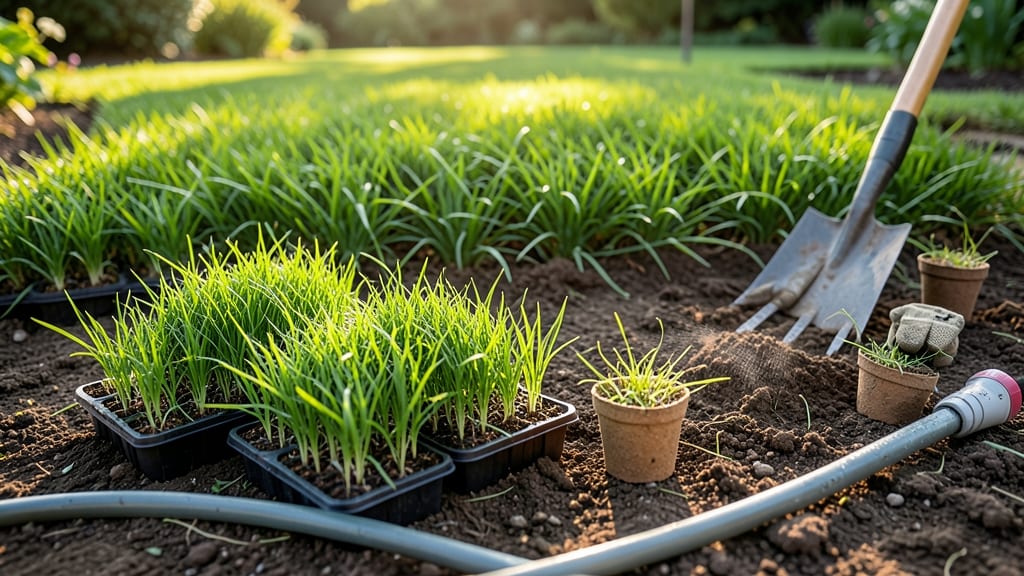
Planting Bermuda grass 🌱 at the wrong time in San Antonio could mean watching your lawn struggle through the summer heat instead of thriving.
The key to a fast, lush establishment isn't just about choosing quality seeds—it's about planting during the 4-6 week window before your last frost, when soil temperatures hit that sweet spot for germination.
In San Antonio's USDA Zone 8b, that means aiming for early spring (March-April) or late summer (August-September). These windows give your grass the perfect head start before summer's intense heat arrives, ensuring it establishes strong roots before the real challenges begin.
But here's the catch: planting too early risks frost damage, while waiting too long means battling summer's brutal conditions.
I'll break down exactly what soil temperatures to watch for, how to prepare your lawn for these critical weeks, and why this timing makes all the difference for a fast-growing, drought-resistant lawn.
Whether you're starting from seed or laying sod, these insights will help you avoid common mistakes and get your Bermuda grass off to the strongest possible start—so you can enjoy that green carpet by Memorial Day without the stress.
San Antonio’s ideal Bermuda grass planting window: exact weeks before last frost
San Antonio’s USDA Zone 8b climate means Bermuda grass thrives when planted during two key windows: early spring (March-April) or late summer (August-September). These periods align with soil temperatures above 65°F—critical for germination and root establishment before summer’s brutal heat arrives.
The last average frost date in San Antonio is around January 15, but Bermuda grass won’t tolerate cold. Planting 4-6 weeks before summer’s peak heat (mid-May) gives roots time to establish before drought conditions set in. This means targeting late March to early April for spring planting.
For late summer planting, aim for August 15-September 15—after the worst summer heat but before cooler fall temperatures slow growth. This second window is ideal for sprigging (planting vegetative pieces) rather than seeds, which struggle in San Antonio’s intense summer sun.
Bermuda grass is warm-season, meaning it goes dormant in winter. Planting too early (February) risks frost damage, while planting too late (June) exposes young grass to heat stress and drought. The 4-6 week buffer ensures strong roots before summer’s challenges.
Here’s the exact timeline for San Antonio’s climate:
| Planting Window | Soil Temp Requirement | Key Climate Factor | Best Method |
|---|---|---|---|
| Late March - Early April | 65°F+ | Post-frost, pre-summer heat | Seeds or sprigs |
| August 15 - September 15 | 75°F+ | Cooling temps, high humidity | Sprigs (faster rooting) |
| Avoid: February, May-June | Below 60°F or above 90°F | Frost risk or extreme heat | Not recommended |
San Antonio’s clay-heavy soils and unpredictable spring rains demand precise timing. Planting in March-April lets you take advantage of consistent soil moisture from winter rains while avoiding the 100°F+ temperatures of June and July.
The late summer window (August-September) offers cooler air but still warm soils—perfect for sprigs to root before winter dormancy.
Use a soil thermometer to confirm temperatures before planting. Bury it 4 inches deep in full sun; Bermuda grass seeds need 65°F+ soil, while sprigs prefer 75°F+. If your soil is cooler, wait—rushing leads to poor germination and thin, weak grass that can’t handle San Antonio’s heat.
Pro tip: Mulch newly planted areas with straw or wood chips to retain moisture and regulate soil temperature. This is especially critical in San Antonio’s dry, windy springs, where evaporation can dry out seeds before they sprout.
Aim for 1-2 inches of mulch to protect young grass without smothering it.
For fastest establishment, choose TifTuf or Riviera Bermuda grass varieties, both drought-tolerant and heat-resistant. These varieties thrive in San Antonio’s USDA Zone 8b and can handle the Alamo’s intense summer sun once established.
Planting at the right time ensures your lawn outpaces weeds and stays green through Memorial Day and beyond.
Remember: Bermuda grass is aggressive—once established, it crowds out weeds naturally. But that starts with perfect timing. Skip the guesswork: mark your calendar for late March or August, test your soil, and prepare for a lush, low-maintenance lawn that survives San Antonio’s extremes. 🌱
San Antonio’s ideal Bermuda grass planting window: exact weeks before last frost
San Antonio’s USDA Zone 8b climate creates a unique challenge for Bermuda grass—too early, and frost can kill tender seedlings; too late, and summer’s heat stresses new growth.
The sweet spot? Planting 4-6 weeks before your last frost date (typically mid-January), when soil temperatures consistently reach 65°F or higher.
For San Antonio, this means two ideal windows: early spring (March-April) and late summer (August-September). These timelines align with soil warming trends and give your grass time to establish before summer’s peak heat arrives. Miss this window, and you risk weak roots or patchy coverage.
🌱 Key soil temperature thresholds: Bermuda grass seeds need 65°F+ soil temps to germinate, while sod thrives at 70°F+. Use a soil thermometer to monitor—planting when temps dip below these ranges slows growth by 30-50%.
| Planting Window | Soil Temp Requirement | San Antonio Months | Establishment Time |
|---|---|---|---|
| Early Spring | 65°F+ (seeds) / 70°F+ (sod) | March-April | 6-8 weeks |
| Late Summer | 70°F+ (seeds) / 75°F+ (sod) | August-September | 4-6 weeks |
Spring planting gives your Bermuda grass a 3-month head start before summer’s peak heat, while late summer planting avoids early-season frost risks. For San Antonio’s 100+°F summers, the late summer window often yields faster establishment because the grass can leverage residual summer warmth.
🌡️ Pro Tip: Check the National Weather Service’s San Antonio climate data for your specific microclimate—areas like the Hill Country may experience 5-7°F cooler soil temps than downtown, delaying your planting window by 1-2 weeks.
Timing isn’t just about months—it’s about soil conditions. Test your soil’s moisture retention and pH (aim for 6.0-7.0) before planting. Clay-heavy San Antonio soils often need compost amendments to improve drainage, which directly impacts root development during those critical first weeks.