
Plants
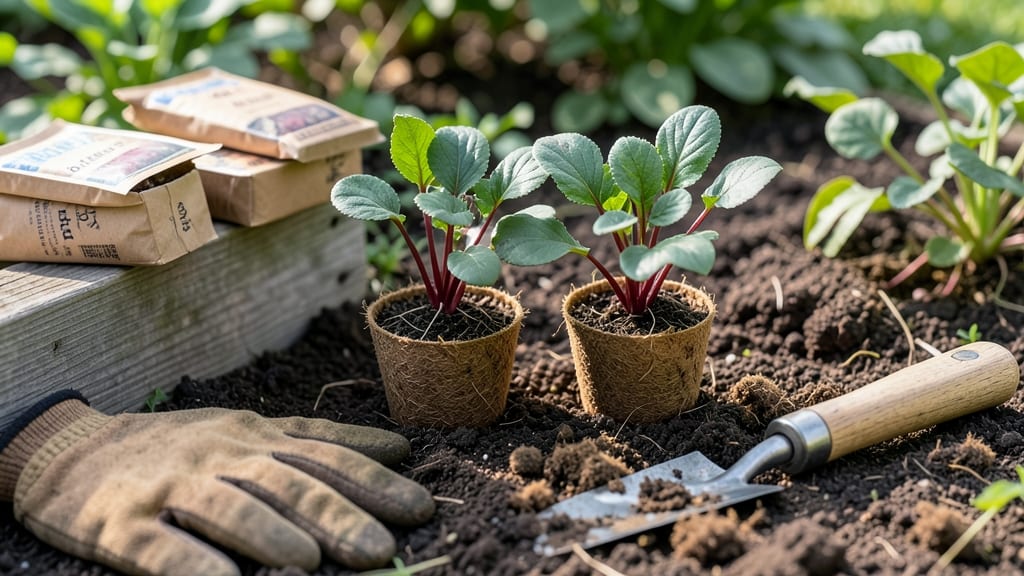
Timing your fall beet planting could mean the difference between tender, sweet roots and bitter disappointment. The key is planting 4-6 weeks before your first frost—a window that transforms these earthy veggies into garden gold.
In USDA Zone 6a, that means starting seeds around late August to early September for a harvest before winter sets in. But don’t worry if you’re not in Zone 6a—we’ll break down how to adjust for your region, so you’re never left guessing.
Why bother with fall beets? They’re sweeter, less woody, and easier to grow than their summer counterparts. Plus, harvesting before hard frost ensures you get the best flavor. Let’s dive into the exact schedule, soil prep, and spacing tricks to make your fall beet patch a success.
Whether you’re a seasoned gardener or a first-timer, these tips will help you avoid common mistakes like planting too late or overcrowding. Ready to grow beets that’ll make your dinner table shine? Let’s get started.
Fall beet planting timeline: exact weeks before frost for sweetest roots
Timing your fall beet planting is the secret to sweeter, more tender roots that store well and resist bolting. The 4-6 week rule before your first frost date is your golden window—plant too early, and you’ll waste garden space; too late, and your beets turn bitter or bolt.
Let’s break it down by USDA zone so you can pinpoint the perfect dates for your region.
First, check your average first frost date (use the USDA Plant Hardiness Zone Map as a guide). Then, work backward 4-6 weeks to determine your ideal planting window. For example, if your first frost hits October 15, aim to plant between September 1 and September 15.
This ensures beets mature before hard frost but still benefit from cooler fall temperatures.
Beets thrive in 50-65°F soil temperatures, which is why late summer to early fall is ideal. If your soil stays too warm (above 75°F), your beets may bolt prematurely. Test soil temps with a soil thermometer—plant when it consistently hovers around 60-65°F.
Here’s your fall beet planting timeline by USDA zone, including soil prep tips and frost tolerance rules to maximize your harvest:
For Zone 6a (like my garden in the Midwest), I plant my Detroit Dark Red beets around August 20-September 10 to ensure a harvest before our October 15 frost.
Pro tip: If you’re in a hot summer zone (like Zone 9), opt for shade cloth during peak heat to prevent bolting.
Once you’ve nailed your planting window, focus on soil prep. Beets love loamy, well-draining soil with a pH of 6.0-7.0. Work in 2-3 inches of compost and a balanced fertilizer (5-10-10) before sowing. Avoid fresh manure—it can cause forked roots.
After planting, maintain consistent moisture (1 inch per week) and thin seedlings to 2-3 inches apart when they’re 2 inches tall. This prevents competition and ensures plump, sweet roots. Mulch with straw or leaves to retain moisture and regulate soil temps.
Finally, watch for harvest signs: roots should be 1-3 inches wide with smooth skin. If left too long, beets become woody. In cold climates, harvest before hard frost (below 20°F), but in mild zones, beets can overwinter with heavy mulch.
With this timeline, you’ll harvest sweet, tender beets all fall long—no bitter surprises! 🌱
How to adjust your fall beet schedule for short vs. long harvest seasons
Not all gardens experience frost the same way, and your fall beet planting schedule should reflect your local climate. In short harvest seasons (like USDA Zones 3-5), you’ll want to plant 6 weeks before the first frost to ensure mature roots before winter sets in.
Meanwhile, gardeners in longer seasons (Zones 6-8) can stretch plantings over 8 weeks for a prolonged harvest.
For example, in Zone 5, aim for late August plantings, while Zone 7 gardeners can start as late as early October—just adjust based on your last frost date.
The key is to avoid planting too close to frost, which can stress the plants and lead to bolting (when they flower prematurely).
Here’s how to tailor your approach based on your climate:
| Climate Type | Planting Window | Best Varieties | Harvest Goal |
|---|---|---|---|
| Short Seasons (Zones 3-5) | 6 weeks before frost (late August) | ‘Detroit Dark Red’, ‘Early Wonder’ | Mature roots before hard frost |
| Moderate Seasons (Zones 6-7) | 4-8 weeks before frost (late Aug–early Oct) | ‘Golden’, ‘Chioggia’ | Staggered harvests for fresh beets |
| Long Seasons (Zones 8-10) | 8+ weeks before frost (Sept–Nov) | ‘Bull’s Blood’, ‘Luttee’ | Overwintering or winter harvests |
If you’re in a mild-winter zone (Zones 8-10), consider succession planting every 2 weeks from late summer through fall. This ensures a steady supply of fresh beets without overcrowding your garden.
For example, plant one batch in late August, another in September, and a final one in early October for a harvest that spans multiple weeks.
Cold-hardy varieties like ‘Detroit Dark Red’ tolerate light frosts, making them ideal for short-season gardens. Meanwhile, ‘Golden’ beets mature faster and are perfect for staggered plantings. Choose your varieties based on your climate and desired harvest timeline.
Pro tip: Use row covers in cooler climates to extend your harvest window by 2-3 weeks. This simple trick can shield young plants from unexpected frosts and give you extra time to enjoy your homegrown beets.
Remember, the goal is to harvest beets before a hard frost (when temperatures drop below 25°F). If you’re unsure about your frost dates, check your local USDA zone and adjust accordingly. With the right timing, you’ll enjoy sweeter, more tender beets than you’ve ever grown!