
Plants
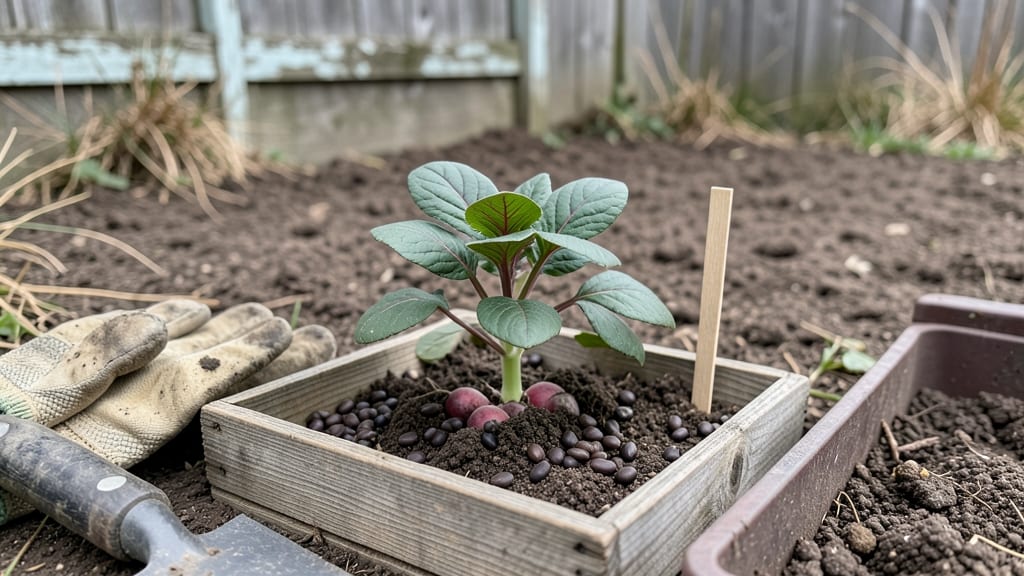
Knowing when to plant beets in Minnesota is the difference between a garden full of sweet, tender 🥕 and one full of bitter, bolted disappointments. Minnesota’s unpredictable frost dates—especially in zones 4a-5b—make timing everything, but getting it right guarantees harvests from June through October.
Most gardeners here swear by early spring plantings in March or April, but late summer sowings (July-August) can also stretch your harvest into fall. The key? Avoid planting too early when soil temperatures dip below 50°F, or too late when summer heat triggers bolting.
I’ll walk you through the exact frost-free windows and pro tips to keep your beets thriving—no matter where you are in the state.
Why does this matter? Because beets are one of the easiest vegetables to grow in Minnesota, but only if you respect the climate. Skip the guesswork and learn how to time your plantings, choose the right varieties, and even use succession planting to beat Minnesota’s short growing season.
Let’s get those seeds in the ground the right way.
From soil prep to spacing secrets, I’ll cover everything you need to grow beets that stay sweet, avoid bolting, and keep producing until the first frost. Ready to turn your garden into a beet bonanza? Let’s dive in.
Minnesota beet planting calendar: frost dates by region
Minnesota’s short growing season and variable frost dates demand precision when planting beets. Unlike warmer climates, we can’t just follow a generic calendar—your last frost date shifts from May 10 in the Twin Cities to June 1 in the Northland.
Getting this wrong means bolted greens or frost-nipped roots. Let’s break it down by region so you can plant with confidence.
Start by checking your USDA Zone (4a-5b) and local frost-free averages. The Northland (Zone 3-4) has the latest frosts, while Southern Minnesota (Zone 5a) can plant 2-3 weeks earlier.
My rule? Wait until soil temps hit 40°F—a soil thermometer is your best friend here. Cold soil = slow germination = wasted seeds.
For spring planting, aim for 4-6 weeks before your last frost.
That means mid-March to early April in Zone 5 (like Rochester) but late April to early May in Zone 4 (Twin Cities). Fall planting is trickier—sow 70-80 days before first frost, which is July 15-August 1 depending on your zone.
Miss this window, and you’ll harvest woody, bitter beets.
Here’s the golden rule: Beets hate heat. If temps hit 80°F+, they bolt (go to seed) faster than you can say “sweet harvest.” That’s why succession planting every 2 weeks in spring (and again in summer) keeps your table stocked with tender roots.
Pro tip: Use row covers or cold frames to extend your spring planting window by 2-3 weeks. I’ve had success pushing seeds in late February under protection—just remove covers when temps hit 50°F during the day. This trick adds extra weeks of harvest before summer heat sets in.
For container gardening, stick to smaller varieties like ’Babybeat’ and plant in 5-gallon pots with well-draining mix. Containers warm up faster, so wait until after your last frost and place them in full sun. I’ve grown harvestable beets in pots on my balcony—just monitor moisture closely.
Remember: Beets are cool-season crops, but they won’t tolerate frost. If a late frost sneaks in, cover seedlings with lightweight fabric or a cloche. And if your soil is rocky or clay-heavy (common in Minnesota), amend it with compost to prevent deformed roots.
A little prep now = sweet, tender beets later.
Finally, track your local frost dates for 3 years to spot trends. My neighborhood in St. Paul had a late-May frost in 2022—something the almanac didn’t predict. Adjust your planting 2 weeks later if you’re in a microclimate with cold pockets.
When in doubt, plant a little late—beets are forgiving if you give them consistent care.
How to avoid beet bolting: temperature and spacing secrets
Beets in Minnesota are notorious for bolting—those bitter, flower-stalk-laden plants that ruin your harvest. The culprit? temperature spikes and crowded seedlings. Even if you plant early, a sudden heatwave can trigger bolting, especially in USDA zones 4a-5b.
I’ve seen this happen in my own garden when summer hits early, so I’ve learned to plan ahead.
The key to preventing bolting is understanding your local heat thresholds. Beets bolt when daytime temperatures exceed 75°F for more than 3 days. In Minnesota, this often happens in late June or early July, but it can creep up earlier in the southern regions.
Shade cloth or succession planting can save your crop—more on that later.
Spacing is another game-changer. Overcrowded beets compete for nutrients and space, stressing the plants and making them more prone to bolting. I always thin seedlings to 3-4 inches apart once they’re 2-3 inches tall.
This might seem counterintuitive, but it gives your beets room to grow strong and sweet, not bitter and bolted.
Here’s a pro tip: If you’re planting in early spring (March-April), choose a bolt-resistant variety like Boltardy or Detroit Dark Red. These hold up better to temperature fluctuations. For late summer plantings (July-August), use shade cloth (30-50%) to protect seedlings from sudden heat spikes.
Succession planting is my secret weapon against bolting. Instead of one big planting, I sow seeds every 2-3 weeks from April through July. This ensures a steady harvest and spreads out the risk of bolting.
For example, if your first planting bolts in July, your second planting (sown in early June) might still yield tender roots.
Watch for these bolting warning signs: elongated stems, yellowing leaves, or flower stalks emerging from the center. If you catch it early, harvest the roots immediately—they’ll still be edible, just less sweet. For future plantings, adjust your timing or add shade cloth to keep temperatures in check.
Minnesota’s southern regions (Rochester, Southwest) bolt faster due to earlier heatwaves. Northern zones (Northland, Arrowhead) have a longer window but risk late frosts. Always check your local frost dates and adjust planting times accordingly.
Finally, mulch your beet beds with straw or grass clippings to keep soil temperatures stable. Mulch acts like a blanket, insulating roots from sudden heat or cold.
I’ve seen this extend the harvest window by 2-3 weeks in my garden. Combine these tips, and you’ll avoid the heartbreak of bolted beets—guaranteed!