
Plants
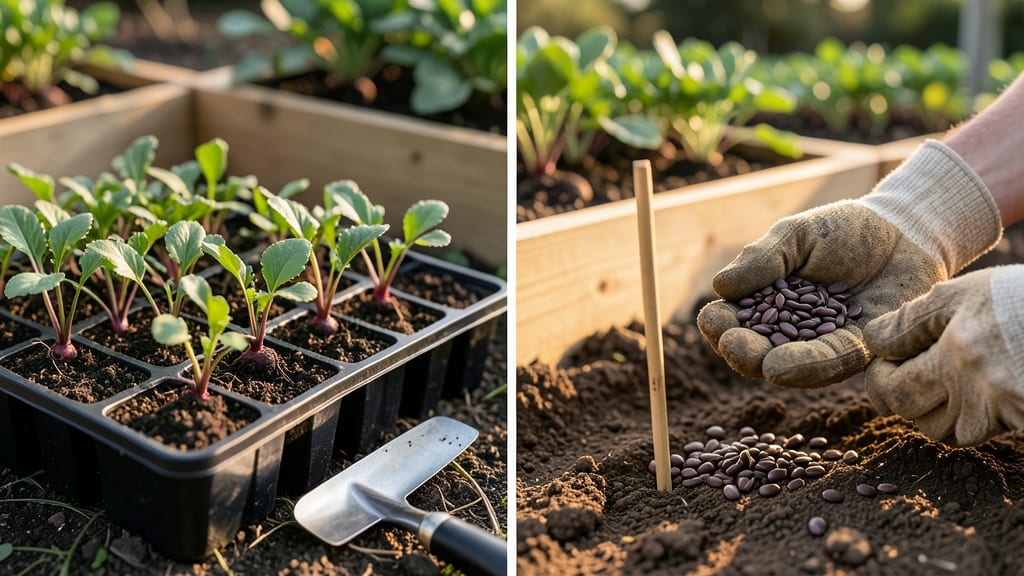
If you’ve ever planted beets in Arizona’s brutal summer heat, you know the struggle—bolting plants and bitter roots can turn your garden dreams sour. But here’s the secret: timing matters more than you think, and the perfect windows for growing sweet, tender beets are all about avoiding that scorching sun.
Most gardeners in Arizona’s USDA Zone 9b focus on fall and winter, but with the right approach, you can stretch your harvest into spring too. The key? Planting when soil temps stay cool—think September through November for fall crops and February to March for a spring surprise.
Why does this work? Beets thrive in temperatures below 75°F, and Arizona’s fall and winter months give them the ideal conditions. Skip the summer, and you’ll end up with tough, woody roots instead of the juicy harvest you’re after.
Let me show you exactly how to nail those planting windows, plus pro tips to keep your beets from bolting—so you can enjoy fresh, homegrown 🍠 all season long.
Best planting times for beets in Arizona’s climate zones
Arizona’s USDA Zone 9b climate offers unique opportunities for growing beets year-round—but only if you time your plantings correctly. Unlike northern states, we don’t have to worry about frost, but our intense summer heat (often exceeding 100°F) can trigger premature bolting, turning sweet roots bitter.
The key is planting during Arizona’s cool-season windows when soil temperatures stay below 75°F.
For most of Arizona, the ideal planting months are September through November for fall harvests and February through March for spring crops. These periods provide the mild temperatures (50°F–70°F) that beets thrive in, while avoiding the heat stress of summer.
However, microclimates like Flagstaff’s cooler high desert or Tucson’s slightly milder low desert may allow for slight adjustments.
Here’s how to align your beet planting with Arizona’s three main climate zones—each with its own optimal timing to maximize yield and flavor:
If you’re in the Phoenix or Tucson area, aim for late September plantings to catch the fall rains and cool nights. These conditions create the perfect balance of moisture and temperature for beet growth.
For Flagstaff gardeners, you can start as early as mid-August—just be prepared to use row covers if nights dip below 50°F.
Pro tip: Use a soil thermometer to monitor temperatures. Beets grow best when soil stays between 50°F and 75°F. If temperatures creep above 80°F, even for a few days, your beets may bolt prematurely, sending up flowers and toughening the roots.
This is why spring plantings after March 15 often fail in the low desert.
For continuous harvests, plan to sow beets in two waves: once in late summer (August) for fall harvests and again in early spring (February) for spring crops. This staggered approach ensures you’re never without fresh beets, even in Arizona’s 365-day growing potential.
One common mistake Arizona gardeners make is planting beets in June or July. While the weather might seem mild, the intense afternoon sun and dry winds can stress plants, leading to stunted growth or bitter flavors.
Instead, focus on the cool-season windows outlined above for the sweetest, most tender beets.
Remember, beets are cool-season crops, meaning they thrive when days are shorter and nights are
Best planting times for beets in Arizona’s climate zones
Arizona’s 9b climate zone offers two prime windows for growing sweet, tender beets—fall and winter—when temperatures stay below 75°F. But not all regions follow the same schedule.
Phoenix’s desert heat demands earlier fall plantings, while cooler Flagstaff can extend harvests into spring. Let’s break down the ideal timing for your specific area.
In low desert zones (Phoenix/Tucson), start seeds late August to early September for a fall harvest. By November 1st, soil temps drop enough to prevent bolting. For winter crops, plant February 15th to March 15th—this avoids the 90°F+ heat that triggers flowering.
Higher elevations like Flagstaff can plant one month later due to cooler nights.
Here’s your quick-reference guide for Arizona’s three key regions:
| Region | Fall Planting Window | Winter Planting Window | Harvest Time |
|---|---|---|---|
| Low Desert (Phoenix/Tucson) | Late Aug - Early Sept | Feb 15 - Mar 15 | Oct - Jan |
| Mid Elevation (Prescott) | Early Sept - Mid Sept | Mar 1 - Mar 31 | Nov - Feb |
| High Elevation (Flagstaff) | Mid Sept - Late Sept | Apr 1 - Apr 15 | Dec - April |
🌱 Pro Tip: Use a soil thermometer—ideal temps are 60-70°F for germination.
For continuous harvests, I recommend staggering plantings every 2-3 weeks during your region’s window. This ensures fresh beets from October through May without gaps. For example, in Phoenix, plant one batch on August 25th, another on September 10th, and a final batch on September 25th.
Watch for daylength sensitivity—beets bolt when days exceed 14 hours of light. In Arizona, this typically happens by late March in low deserts. If you’re tempted to plant in April, choose heat-tolerant varieties like ‘Burpee’s Golden’ or use 30% shade cloth to delay bolting.
Don’t forget: Soil prep matters. Arizona’s clay-heavy soils need compost or sand amendments to prevent cracking. Test your soil’s pH—beets prefer 6.0-7.0. If your garden soil is too alkaline, add sulfur or peat moss 2-3 weeks before planting.
With these timing tips, you’ll avoid the bitter, woody roots that ruin summer plantings. Next up: How to Avoid Bolting—where I’ll share my top tricks for keeping your beets sweet and tender through Arizona’s tricky transitions.