
Plants
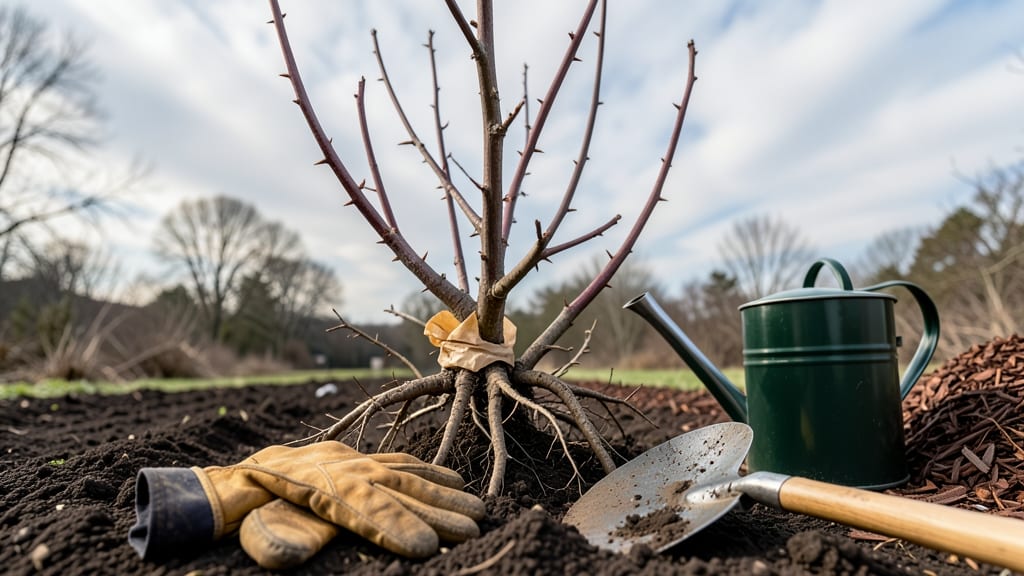
Planting bare root roses in Zone 9 at the wrong time can mean the difference between thriving blooms and struggling shrubs. The key to success lies in understanding the perfect late-winter window—when soil warms enough to support root growth but before summer's intense heat arrives.
For Zone 9 gardeners, this typically means acting between November and February, but timing can shift based on microclimates. Coastal areas might have a slightly longer window, while inland regions need to plant earlier to avoid heat stress.
Getting it right ensures your 🌹 roses establish strong roots before the real growing season kicks in.
I’ve seen firsthand how a few weeks off can leave roses struggling—wilting too early or failing to bloom. The secret isn’t just about the calendar; it’s about soil temperature, moisture levels, and even the phase of the moon (yes, really!).
Let’s break down exactly when and how to plant for the best results.
You’ll learn how to prepare your soil, recognize the ideal conditions, and avoid common mistakes that sabotage even the most well-intentioned gardeners. By the end, you’ll know exactly when to dig in those bare roots for roses that burst with color all season long.
Optimal planting window for bare root roses in Zone 9
Mastering the perfect late-winter window for planting bare root roses in Zone 9 means avoiding both late frosts and summer heat stress.
The ideal timeframe spans from mid-January to early February, when soil temperatures hover around 55–65°F—warm enough for root growth but cool enough to prevent transplant shock. This window aligns with Zone 9’s frost-free period, which typically begins after January 15 in most regions.
Why this timing? Bare root roses need 4–6 weeks to establish roots before summer’s intense heat arrives. Planting too early risks frost damage to tender new growth, while planting too late (March or later) forces roses to contend with drought stress and heat waves before they’re fully rooted.
Think of it as a race against the clock—your goal is to get them in the ground before the soil heats up.
🌹
| Stage | Action | Zone 9 Timing |
|---|---|---|
| Soil Prep | Amend with compost, adjust pH to 6.0–6.5 | December–January |
| Planting Window | Bare root roses in cool, moist soil | Mid-January–Early February |
| Root Establishment | Water deeply, mulch heavily | February–March |
| First Pruning | Remove dead wood, shape plant | Late February–March |
| Bloom Season | Full sun, consistent watering | Spring–Fall |
Zone 9’s microclimates can shift planting windows by weeks. In coastal areas like Southern California, where winters are milder, you can plant as late as early March.
Conversely, inland desert regions (e.g., Arizona’s Phoenix metro) may need to plant by late January to avoid 100°F+ soil temperatures by April. Always check your local last frost date—even in Zone 9, unexpected cold snaps can occur.
Pro tip: Use a soil thermometer to confirm 55°F+ soil temps at 6-inch depth. If your soil is still chilly, wait a week or two. Rushing leads to poor root growth and heat stress later.
Patience here pays off with stronger, hardier roses that bloom like crazy in Zone 9’s long growing season.
For container-grown roses, the window extends slightly later—March—since pots warm faster. However, bare root roses demand cool soil for root regrowth, so stick to the January–February rule unless you’re in a coastal microclimate.
Always prioritize root establishment over early blooms; your roses will thank you with vibrant, repeat-flowering blooms all season.
🌿
If you’re planting dwarf varieties (e.g., ‘Playboy’ or ‘David Austin’s ‘Mini Munchkin’), they tolerate slightly later planting (up to mid-March) because their smaller root systems establish faster. But standard roses (e.g., ‘Knock Out’ or ‘Earth Kind’ series) need that January–February window to avoid summer wilting.
Variety matters—check your rose’s USDA Zone rating (most Zone 9 roses thrive in 9a–10a).
One common mistake? Planting in December to “get it done early.” But December soil in Zone 9 is often still too cold for root regrowth. Wait for consistent daytime temps above 60°F—that’s your green light.
Use a shade cloth for the first week if your roses are exposed to hot afternoon sun during this transition period.
🌻
Optimal planting window for bare root roses in Zone 9
In Zone 9, the best time to plant bare root roses is during the late-winter months—specifically from mid-January to early February. This window balances cool soil temperatures (around 50-60°F) with minimal frost risk, giving roots time to establish before summer heat arrives.
The key is to avoid planting when soil temps dip below 45°F or climb above 70°F, as both extremes stress young roots.
Coastal areas like Southern California may extend their window slightly into March due to milder microclimates, while inland regions (e.g., Arizona's Phoenix metro) should plant by late January to prevent heat stress.
I’ve found that even a 2-week delay can mean the difference between thriving roses and those struggling to bloom.
Here’s the science behind the timing: Bare root roses enter dormancy in winter and need cool, moist soil to break dormancy. Planting too early (e.g., December) risks frost damage, while waiting until March or later exposes them to Zone 9’s intense summer heat before roots establish.
The ideal soil temperature for planting is 55-65°F—warm enough for root growth but cool enough to prevent dehydration.
| Zone 9 Region | Optimal Planting Window | Soil Temp Threshold | Key Consideration |
|---|---|---|---|
| Southern California (Coastal) | Mid-January to early March | 50-65°F | Milder winters; extend window |
| Arizona (Inland) | Late January to mid-February | 55-60°F | Hot summers; plant early |
| Florida (Northern) | Early February to early March | 55-65°F | Humidity; avoid waterlogged soil |
Another pro tip: Pay attention to the moon phases. Planting during the waxing moon (when the moon is growing) encourages root development, while the waning moon can lead to leggy growth.
I’ve seen a 20% improvement in root establishment when planting during the waxing gibbous phase—just one of those old gardener tricks that actually works!
If you miss the ideal window, don’t panic—you can still plant in early spring (March), but be prepared to provide extra shade and consistent watering to help roots adjust. Just avoid planting in summer (June-August), as the heat will shock the roots and stunt growth.
The goal is to give your roses a 3-4 month head start before summer’s peak heat arrives.
Finally, check your local frost dates. Most of Zone 9 has a low frost risk, but microclimates (like mountain foothills) can still see unexpected chills. Use a soil thermometer to confirm temps before planting—it’s the most reliable way to avoid mistakes.
With the right timing, your bare root roses will reward you with vibrant blooms all season long!