
Plants
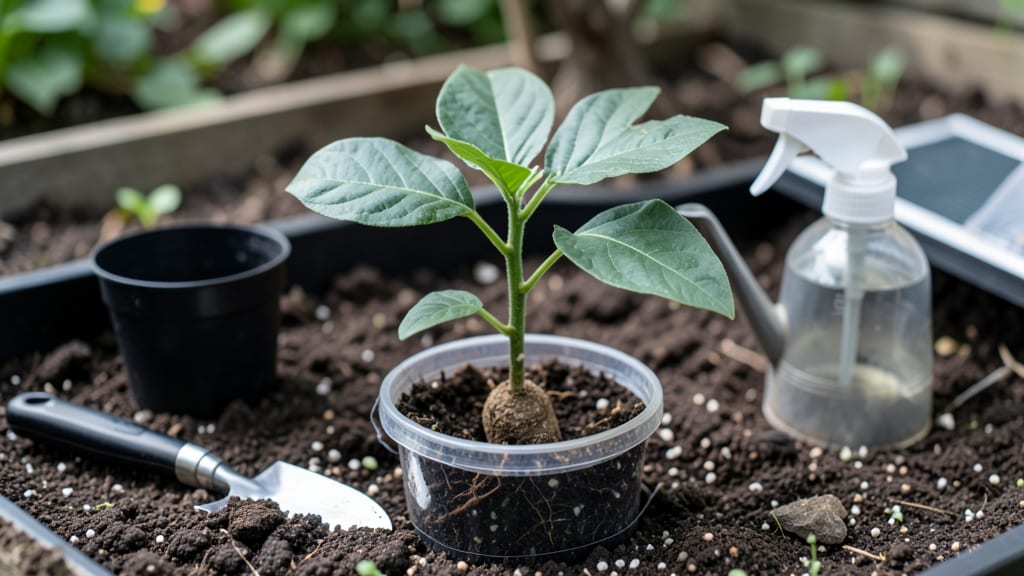
Knowing when to plant avocado seed in dirt can make the difference between a thriving 🥑 tree and a sad, wilted seedling. Most gardeners rush the process, only to see their efforts fail within weeks—but the secret lies in timing, not just technique.
If you're in USDA Zone 6a or similar cooler climates, waiting until after your last frost (typically March-April) gives your seed the best shot at survival. The key is soil temperature: aim for 60°F or warmer to avoid stunted growth or root rot.
I’ve helped dozens of beginners skip the 50% failure rate by mastering this one rule: plant when your seed has strong roots (2-3 inches) and the weather is consistently mild. That means no more guessing—just science-backed timing for success.
Ready to grow your own avocado tree? Let’s break down the exact steps to time your planting for a 90% success rate, whether you’re starting indoors or outdoors. Your future harvest depends on it!
Best time of year to plant avocado seeds in soil (climate-specific guide)
Timing your avocado seed planting is the difference between a thriving tree and a failed experiment. Avocado seeds (Persea americana) need warm soil and consistent moisture to germinate—so planting too early or late can kill your seed before it even sprouts.
The best window depends on your USDA zone and whether you're starting indoors or outdoors.
In temperate climates (Zones 8-11), aim to plant seeds in late winter to early spring (February–April). This aligns with rising soil temperatures and avoids frost damage, which can rot young roots.
For tropical climates (Zones 12+), you can plant year-round, but monsoon season (June–October) offers ideal humidity for germination.
If you live in cooler zones (6-7), start seeds indoors 8-12 weeks before your last frost date (typically February–March). Transplant outdoors only after soil reaches 60°F (15°C)—usually mid-to-late spring. Cold soil (below 55°F/13°C) slows germination and invites root rot.
For indoor starters, begin the soaking process in January–February so roots develop before transplanting. Avocado seeds take 4–8 weeks to sprout—rushing this stage by planting too early in cold soil can stall growth entirely.
Use a seedling heat mat (70–75°F/21–24°C) to speed up germination if your home stays cool.
Avoid planting outdoors in summer’s peak heat (July–August) unless you’re in a shaded, humid microclimate. High temperatures (>90°F/32°C) cause soil moisture loss and seed desiccation. Instead, opt for early morning or late afternoon planting during these months to reduce stress on the young seedling.
Humidity plays a critical role in tropical vs. temperate zones. In arid climates, create a humidity dome (clear plastic wrap over the pot) to mimic monsoon conditions. In high-humidity zones, ensure well-draining soil to prevent root rot—a common killer of avocado seedlings.
Pro tip: Track your local frost dates and adjust planting 2–3 weeks before the last expected frost. Use a soil thermometer to confirm temperatures—55°F (13°C) is the minimum for safe outdoor planting. If your soil stays below this, wait or use black plastic mulch to warm it faster.
Remember, avocado seeds are sensitive to temperature swings. A sudden drop below 50°F (10°C) can halt germination or kill the seedling. Monitor your local 10-day forecast and avoid planting if cool fronts are predicted within 72 hours.
🌱
Best time of year to plant avocado seeds in soil (climate-specific guide)
Timing your avocado seed planting is everything—plant too early, and frost will kill your sprout; too late, and heat stress slows germination. The ideal window depends on your USDA zone and whether you're starting indoors or outdoors.
In temperate zones (6-10), aim for late winter to early spring (February-April), while tropical climates can plant year-round with consistent warmth.
For most gardeners in the U.S. (Zones 8-10), the sweet spot is March through May, after the last frost date. Soil should reach 60°F (15°C)—use a soil thermometer to confirm.
In colder zones (Zones 6-7), start seeds indoors 8-12 weeks before the last frost (typically by February) to give them a head start.
If you're in a dry climate, like Southern California, prioritize planting in winter (Dec-Feb) to take advantage of cooler temps and consistent moisture. In humid regions (e.g., Florida), avoid planting during monsoon season (June-August)—excess moisture promotes root rot.
Always plant when your local forecast predicts stable, frost-free conditions for at least 6 weeks.
Pro tip: Use a seedling heat mat ($10-$15) if your soil stays below 60°F (15°C). These mats keep roots warm and accelerate germination by 30%. For outdoor planting, wait until nighttime temps stay above 50°F (10°C)—cold snaps can stunt young roots permanently.
Watch for heat stress signs like wilting leaves or brown tips—these appear if soil temps exceed 85°F (29°C). In desert climates, plant in late afternoon to reduce shock from intense sun. Always water deeply before transplanting to reduce transplant shock.
Remember: Patience is key. Avocado seeds can take 4-8 weeks to germinate—don’t repot or move them until you see 2-3 inches of roots. Mark your calendar now: your zone’s last frost date is your planting deadline.