
Plants
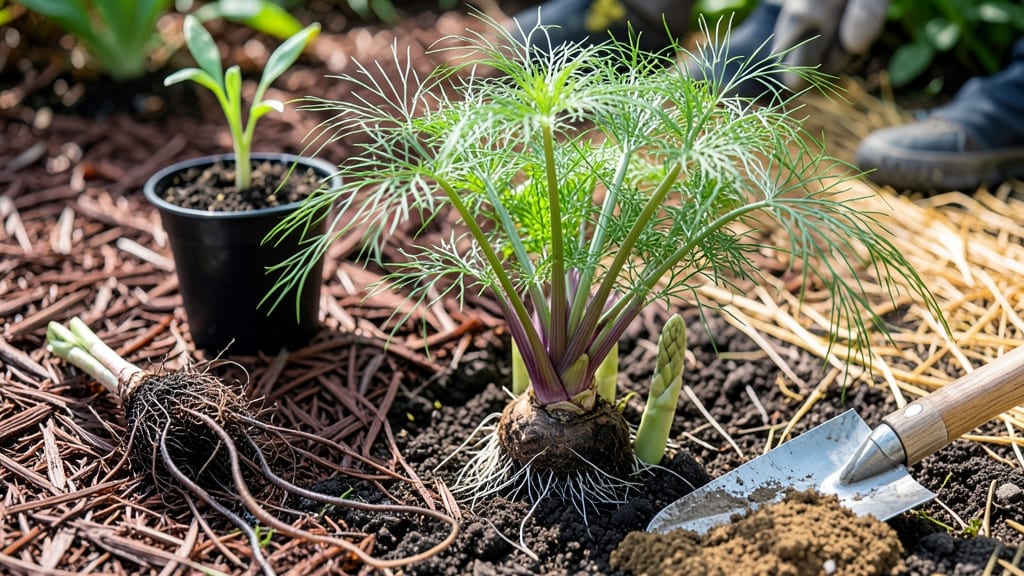
Knowing when to plant asparagus in Zone 8 could mean the difference between a thriving garden and years of disappointment. This hardy perennial 🌱 thrives when planted at the right time, but Zone 8’s intense summer heat makes timing critical for strong root establishment before the real heat kicks in.
Most gardeners in Zone 8 swear by late winter to early spring planting—typically between February and March—when soil temperatures are cool but workable.
This window gives asparagus crowns enough time to establish deep roots before summer’s brutal heat arrives, setting the stage for bountiful harvests in years two and three.
Planting too late in spring risks stunted growth, while fall planting (another option) requires careful soil prep to protect young roots from winter chill.
I’ll walk you through the best strategies for both seasons, including soil prep, mulching, and watering tips to ensure your asparagus gets off to the right start.
Whether you’re a first-time grower or looking to boost your yields, these proven techniques will help you avoid common mistakes and enjoy fresh, homegrown asparagus for years to come. Let’s get your garden ready for success!
Best planting windows for asparagus in Zone 8: fall vs. early spring breakdown
In Zone 8, where summer temperatures can soar, timing your asparagus planting is critical. The ideal window is either late summer/fall (September-October) or early spring (February-March).
Fall planting gives roots a head start to establish before summer heat stress hits, while spring planting must avoid the worst of the heat. Let’s break down which works best for your Zone 8 garden.
Most gardeners in Zone 8 prefer fall planting because it allows roots to grow undisturbed during the cooler months. By the time summer arrives, your asparagus plants will have a strong root system to handle the heat.
However, spring planting is also viable if you act quickly and prepare the soil properly. The key is avoiding planting too late in spring, which can lead to weak roots struggling through summer’s intensity.
Soil temperature is the biggest factor. Asparagus crowns need soil between 50-60°F to root successfully. In Zone 8, this means planting when daytime temps are cooling down—typically September-October for fall or February-March for spring. Use a soil thermometer to check before planting; if it’s warmer than 65°F, wait or opt for shade cloth to protect young plants.
Another critical factor is frost risk. While asparagus is cold-hardy, newly planted crowns can be damaged by sudden freezes. In Zone 8, the first frost usually arrives in mid-November, so fall planting should wrap up by early November.
Spring planting, on the other hand, should start as soon as the soil is workable—typically late February—to give plants time to establish before summer heat peaks.
Microclimates within Zone 8 can shift planting windows by weeks. Coastal areas with milder winters may extend fall planting into November, while inland regions with hotter summers should plant asparagus by mid-October.
Always monitor local weather patterns and adjust accordingly. For example, if your area experiences early heatwaves, consider planting 1-2 weeks earlier than the general guidelines.
Here’s the comparison table to help you decide which planting window suits your Zone 8 garden best:
| Factor | Fall Planting (Sept-Oct) | Spring Planting (Feb-Mar) |
|---|---|---|
| Soil Temperature | 50-60°F (ideal for root growth) | 50-60°F (must act fast before heat arrives) |
| Frost Risk | Low (plant before mid-November) | None (soil thaws by February) |
| Root Establishment | Strong roots before summer heat | Rushes to establish before heat stress |
| Heat Tolerance | High (roots hardened by summer) | Moderate (requires shade/mulch) |
| Best For | Established roots before summer | Quick spring planting in mild microclimates |
If you’re new to growing asparagus, I recommend starting with fall planting. It’s the safer bet for Zone 8 because it minimizes heat stress on young plants.
However, if you’re short on time or missed the fall window, early spring planting can still work—just be prepared to provide extra care like mulching and shade cloth during the hottest months.
One common mistake is assuming Zone 8’s mild winters mean you can plant asparagus anytime. But the truth is, soil temperature matters more than air temperature. Even if it’s not freezing, cold soil can stunt root growth.
Always check soil temps before planting, and never rush—patience is key to a successful asparagus patch.
For Zone 8 gardeners, the best approach is to plant in fall and prepare the soil thoroughly. Amend it with compost and organic matter to retain moisture and improve drainage.
This sets your asparagus up for success, so it can handle the summer heat without stress. Once planted, focus on consistent watering and mulching to keep roots cool and healthy.
Remember, asparagus is a perennial, meaning it will produce for years if planted correctly. Taking the time to choose the right planting window now will pay off with bountiful harvests for decades to come.
Whether you opt for fall or spring, the key is soil prep and timing—both of which are well within your control.
Zone 8 asparagus planting calendar: exact months, soil prep, and heat tolerance tips
For Zone 8 gardeners, timing your asparagus planting is all about beating the summer heat. The ideal window is late winter to early spring, specifically February through March, when soil temperatures hover between 40°F and 60°F.
This gives crowns 60-90 days to establish roots before summer’s intense heat arrives.
Fall planting is also possible in Zone 8, but it requires careful soil prep to protect roots from winter chill. I recommend September to early October for fall plantings, with a focus on insulating the soil with thick mulch.
Let’s break down the exact steps for both seasons to ensure your asparagus thrives.
February - March (Spring Planting)
Soil temp: 40°F-60°F. Plant crowns 6-8 inches deep, 12-18 inches apart in well-draining soil with compost. Mulch heavily to retain moisture.
September - Early October (Fall Planting)
Soil temp: 50°F-70°F. Plant 60 days before first frost. Amend soil with organic matter and mulch 4-6 inches thick to insulate roots.
Soil Prep for Heat Tolerance
Test soil pH (6.5-7.5). Mix in compost and sand for drainage. Avoid fresh manure—it can burn young roots.
Watering for Root Establishment
Water deeply 2-3 times per week for first 30 days. Reduce to 1 inch per week once established. Morning watering prevents fungal issues.
Zone 8’s summer heat can stress young asparagus plants, so mulching is non-negotiable. Use straw or wood chips to retain moisture and regulate soil temperature. I’ve seen firsthand how a thick mulch layer can mean the difference between a struggling plant and one that thrives through the heat.
After planting, avoid harvesting spears in the first year—let the plant focus on root development. In year two, you’ll see spears emerge in April-May, and by year three, your asparagus will reward you with a full-season harvest from March through July. Patience is key!
Pro tip: If you’re planting in sandy soil, mix in peat moss or coconut coir to improve water retention. For clay-heavy soils, amend with compost and perlite to prevent compaction. These small adjustments can make a big difference in your asparagus’s long-term success.
With the right timing and care, your Zone 8 asparagus will become a low-maintenance perennial that produces for 15+ years. Start with these exact months and soil prep steps, and you’ll be on your way to a bountiful harvest in no time. Happy planting! 🌱