
Plants
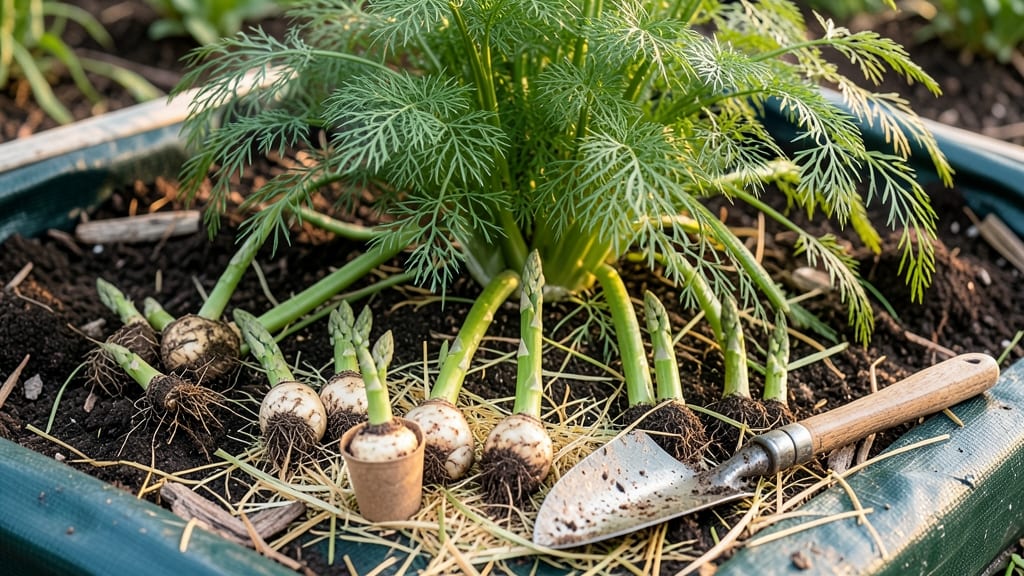
Planting asparagus in Michigan at the wrong time can mean the difference between a bumper crop and a disappointing garden—especially when unpredictable frost dates and soil temperatures come into play. This cold-hardy perennial 🌱 thrives when planted early enough to establish roots before summer heat sets in, but not so early that it bolts prematurely.
For Michigan gardeners in zones 5a-6b, the sweet spot typically falls between March and April, when soil temperatures hover around 50°F—warm enough for root growth but cool enough to prevent bolting.
However, rushing the process can backfire, leaving you with stunted plants or even no harvest for years.
I’ve learned the hard way that timing isn’t just about the calendar—it’s about reading your soil and climate. Whether you’re planting crowns (for faster harvests) or seeds (for long-term savings), knowing when to dig in ensures your asparagus beds become a perennial powerhouse rather than a missed opportunity.
Let’s break down the exact windows, soil prep secrets, and how to adjust for Michigan’s famously fickle spring weather—so you can start harvesting spears in just 2-3 years instead of waiting decades.
Optimal planting months for asparagus in Michigan’s climate zones
Michigan’s USDA zones 5a-6b demand precision when planting asparagus—getting the timing wrong can mean the difference between a 3-year harvest and wasted effort. The ideal window spans March through mid-April, but soil temperature and frost risk vary dramatically across the state.
Northern Michigan (zones 5a-5b) has colder springs and later last-frost dates, often mid-to-late May. Southern Michigan (zone 6a) can plant as early as late February in protected microclimates, but soil must reach 50°F before planting to avoid stunted growth.
For most gardeners, early April is the safest bet—waiting for consistent 60°F daytime temps and soil warmth ensures roots establish before summer heat arrives. Check Michigan State University Extension’s frost-free date maps for your exact location.
Here’s the breakdown of planting windows by region, including soil prep and frost risk:
| Region | USDA Zone | Ideal Planting Window | Soil Temp Threshold | Last Frost Risk |
|---|---|---|---|---|
| Upper Peninsula | 5a-5b | Mid-April to early May | 50°F+ (consistent) | High (May 15-20) |
| Northern Lower Peninsula | 5b | Late March to mid-April | 50°F+ (consistent) | Moderate (May 5-10) |
| Southern Lower Peninsula | 6a | Late February to early April | 45°F+ (minimum) | Low (April 15-20) |
| Thumb Region | 6a | Early March to late April | 45°F+ (minimum) | Very Low (April 10) |
Pro tip: Use a soil thermometer to confirm warmth—crowns planted in cold soil (below 50°F) risk rot. If your soil is still chilly by April, mulch with straw to warm it faster or opt for container planting in raised beds with bottom heat mats.
For gardeners in zone 6a, early March planting is viable if you use black plastic mulch to raise soil temps by 5-10°F. Remove the mulch once spears emerge to prevent overheating. This trick works best in south-facing beds with afternoon shade.
Remember: Asparagus is a perennial, so first-year harvests are minimal. Focus on establishing a healthy root system—planting too early may trigger bolting (premature flowering), which weakens the crown. Aim for 6-8 inches of topsoil amended with compost before planting.
If you’re in northern Michigan and miss the spring window, fall planting is possible—just plant 6-8 weeks before first frost (typically late August to early September). Crowns will establish roots before winter, giving you a head start in spring.
🌱
Optimal planting months for asparagus in Michigan’s climate zones
Michigan’s USDA zones 5a-6b create a unique challenge for asparagus growers—cool springs can delay planting, while warm spells might tempt early starts. The ideal window is when soil temperatures reach 50°F, typically late March to mid-April, but this varies by region.
In northern Michigan (zone 5a), wait until after the last frost date (usually mid-April), while southern areas (zone 6b) can plant as early as late February under protection.
For most of Michigan, March is the sweet spot—early enough to establish roots before summer heat, but late enough to avoid frost damage. I’ve found that using a soil thermometer is non-negotiable; planting when temps dip below 40°F risks stunted growth or bolting.
Pro tip: In cold snaps, cover newly planted crowns with straw mulch to insulate roots.
Here’s how Michigan’s climate zones break down for planting:
If you miss the spring window, fall planting is possible in zones 6a-6b, but only if done 6-8 weeks before first frost (typically by September 15th). Crowns planted in fall have time to establish roots before winter dormancy, often yielding earlier harvests the following spring.
However, this method requires well-draining soil to prevent rot during Michigan’s wet autumns.
For container growing, extend your planting window by 2-3 weeks—pots warm up faster than ground soil. Just ensure containers have drainage holes and are placed in full sun (6+ hours daily).
I’ve had success with 5-gallon buckets in raised beds, which let me plant as late as early May and still get harvests by year 3.
Remember: Patience is key—asparagus won’t produce spears until year 2 or 3, but proper timing now ensures decades of harvests. Michigan State University Extension recommends spacing plants 12-18 inches apart in trenches filled with compost-amended soil to maximize yield.