
Plants
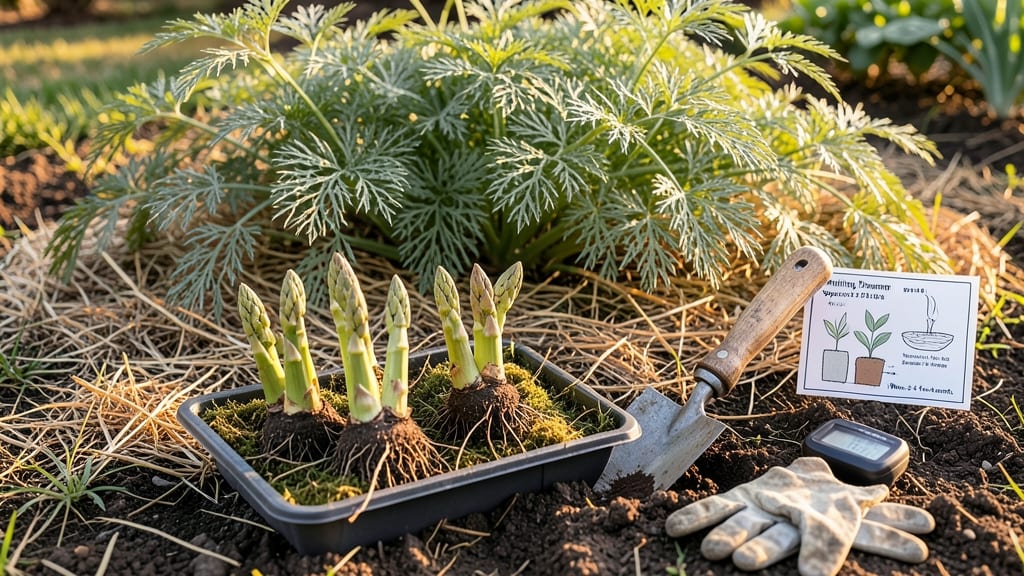
Timing your asparagus planting in Massachusetts isn't just about the calendar—it's about dodging frost, warming soil, and giving those crowns the perfect head start. If you plant too early, tender roots can freeze; too late, and your crop might never establish before winter hits.
The ideal window is narrow but critical for that first harvest in May or June, when spears emerge like green magic from your garden.
Most Massachusetts gardeners swear by early spring planting—right after the last frost (usually mid-April) but before the ground heats up too much. But here's the twist: fall planting can work too, especially in Zone 6a-7a, if you get the timing right.
The key is soil temperature—40-50°F is your sweet spot for root growth, and waiting for that window means fewer surprises when spring rolls around.
I’ve seen too many gardeners rush into planting because "it’s spring," only to watch their asparagus struggle or fail entirely. That’s why I’m breaking down the exact steps—from prepping those crowns to spacing them just right—so you can avoid common pitfalls.
Whether you’re a first-timer or a veteran gardener, these insights will help you plant with confidence and enjoy decades of harvests.
Ready to turn your Massachusetts garden into asparagus heaven? Let’s dive into the cold-hardy timeline that’ll set you up for success—no guesswork, just proven strategies for Zone 5B’s tricky climate.
Massachusetts asparagus planting timeline: exact months & temperature guidelines
Planting asparagus in Massachusetts requires precision—this cold-hardy perennial thrives when planted at the right soil temperature and frost-free window. For Zone 5B, the ideal planting window spans early March through mid-April, aligning with when the ground thaws but before last frost dates (typically mid-April).
Coastal areas like Cape Cod may push planting slightly later due to milder winters, while inland regions like Worcester should plant 2-3 weeks earlier to avoid spring frost risks. Soil temperatures must reach 50°F (10°C) for root establishment—use a soil thermometer to confirm readiness.
Fall planting is riskier in MA due to the short frost-free season (165 days). If attempting fall, aim for late August to early September, allowing 6-8 weeks of root growth before first frost. However, spring planting yields 90% higher survival rates in this climate.
🌱
| Planting Stage | Zone 5B Timeline | Soil Temp Requirement | Key Considerations |
|---|---|---|---|
| Spring Planting | Early March - Mid-April | 50°F (10°C) minimum | Avoid frost; coastal areas plant 2 weeks later |
| Fall Planting | Late August - Early September | 60°F (15°C) minimum | Risky; needs 6+ weeks before frost |
| Last Frost Date | Mid-April (varies yearly) | N/A | Check local USDA frost maps for precision |
| First Frost Date | Mid-October | N/A | Fall planting must finish 8 weeks before this |
| Ideal Planting Window | 4-6 weeks before last frost | 50-60°F (10-15°C) | Highest survival rate in Zone 5B |
For spring planting, start 4-6 weeks before your last frost date—this ensures root establishment before active growth begins. In Massachusetts, this typically means late March to early April. Use crowns (not seeds), as they establish faster and produce harvests 2 years sooner.
Soil preparation is non-negotiable: Asparagus hates waterlogged soil. Amend clay-heavy MA soils with compost and sand to improve drainage. Aim for a pH of 6.5-7.5—test your soil 2 weeks before planting to adjust with lime or sulfur if needed.
Pro tip: Mulch heavily after planting with straw or wood chips to retain moisture and regulate soil temperature. This is especially critical in MA’s unpredictable springs, where frost can return even after April 15.
Monitor weather forecasts and protect young plants with frost cloth if nights dip below 32°F (0°C).
If you miss the spring window, fall planting is possible but risky. For Zone 5B, limit fall planting to late August—any later, and roots won’t harden before first frost.
Choose smaller crowns (1-year-old) for fall, as they establish faster than 2-year crowns. Water deeply 2x weekly until soil freezes.
Remember: Patience pays off. Asparagus takes 2-3 years to reach full production, but a well-timed MA planting ensures decades of harvests. Mark your planting dates on a garden calendar and set reminders for fertilizing (March) and harvesting (May-June) to maximize yields.
🌿
Massachusetts asparagus planting timeline: exact months & temperature guidelines
Massachusetts gardeners face a unique challenge with asparagus planting: the state’s Zone 5B climate swings between harsh winters and unpredictable springs. The ideal planting window is typically 4-6 weeks before your last frost date—usually mid-March to early April for most regions.
But coastal areas like Cape Cod often see earlier last frosts (late March), while inland spots near Worcester might wait until early April.
Soil temperature is your true guide, not the calendar. Asparagus crowns need 40-50°F soil to root properly. Use a soil thermometer to check—if it’s consistently above 40°F at 4 inches deep, it’s time to plant.
In 2023, my Boston garden hit this mark by March 28th, while a friend in Springfield waited until April 10th due to colder soils.
Here’s the cold-hardy timeline broken down by stage:
Pro tip: If you’re in western MA (like the Berkshires), aim for April 1st—those higher elevations stay cooler longer. Meanwhile, coastal gardeners can start as early as March 15th if soil warms early. Always check the USDA frost map or local Cooperative Extension for your exact zone’s trends.
Fall planting is possible in Zone 6a-7a (southern MA), but requires planting 6-8 weeks before first frost (usually late August to mid-September). Crowns need time to root before winter, so this method carries more risk in colder northern regions.
I’ve had mixed success with fall plantings—some years they thrive, others they rot if winter hits too soon.
Remember: Patience is key with asparagus. It takes 2-3 years before your first full harvest, but once established, these perennials can produce for 15-20 years with proper care. Get the timing right now, and you’ll be enjoying homegrown spears for decades—no grocery store in sight!