
Plants
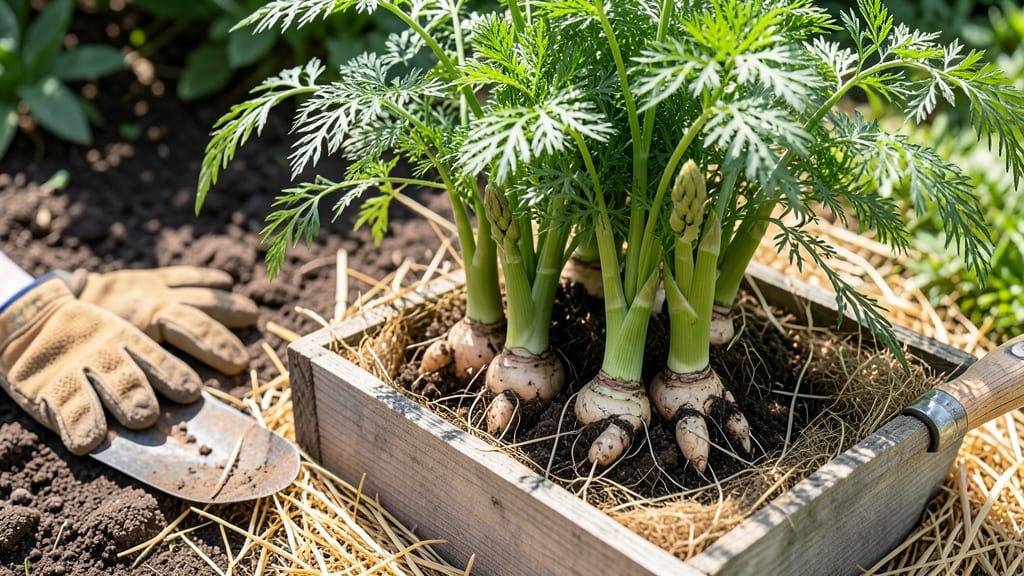
Timing your asparagus planting in Maine can mean the difference between a thriving perennial crop and years of disappointment. With Maine's unpredictable frost dates—ranging from mid-April to early May—getting the window right is the key to strong root establishment before summer heat arrives.
Most gardeners in zones 5b-6b reach for crowns in early spring, but did you know seeds take 3 years longer to produce spears? I’ll show you exactly when to plant crowns (March-April) versus seeds, plus how to adjust for late frosts that can stall growth.
This isn’t just about throwing crowns in the ground—it’s about preparing soil with the right sand/peat mix and protecting young plants with mulch. Let’s break down the frost-free timeline and soil prep tricks that’ll give your asparagus the head start it needs.
By the end, you’ll know whether your March planting is too early or your April attempt is cutting it too close—and how to tell if your asparagus is struggling because of timing (not your green thumb). Ready to set up a harvest for years?
Maine’s ideal asparagus planting window: frost dates by climate zone
Maine’s cool climate and late spring frosts demand precise timing for planting asparagus crowns. Unlike warmer regions, Maine’s USDA zones 5b-6b mean you’ll need to adjust your schedule based on whether you’re in the northern or southern part of the state.
Coastal areas may warm up faster than inland zones, so always check local frost predictions.
For optimal growth, plant asparagus crowns as soon as the soil reaches 50°F (10°C)—typically between late March and mid-April in most of Maine. This timing ensures roots establish before the first harvestable spears appear in June or July.
If you plant too early, crowns can rot in cold soil; too late, and your harvest window shrinks.
Here’s how to align your planting with Maine’s frost-free periods and climate zones:
| Region | USDA Zone | Last Frost Date | Ideal Planting Window | Notes |
|---|---|---|---|---|
| Northern Maine (e.g., Bangor, Presque Isle) | 5b | Mid-May | Late April – Early May | Wait for soil to warm; use black plastic mulch. |
| Central Maine (e.g., Augusta, Waterville) | 6a | Early May | Late March – Mid-April | Plant early; protect with straw mulch. |
| Southern Maine (e.g., Portland, Kennebunk) | 6b | Late April | Mid-March – Early April | Coastal areas warm faster; monitor soil temp. |
If you’re planting asparagus seeds instead of crowns, shift your timeline 4-6 weeks earlier—seeds need longer to germinate in Maine’s cool soil. Start seeds indoors in February and transplant outdoors after the last frost. Seedlings are more vulnerable to late frosts, so use row covers for extra protection.
For coastal gardeners, pay attention to microclimates. Areas near the ocean may experience earlier soil warming due to maritime influence, while inland spots like the Moxie Mountains can stay colder longer. Use a soil thermometer to confirm readiness—50°F (10°C) at 4 inches deep is your green light.
Pro tip: In northern Maine, consider container growing for asparagus. Pots can be moved to warmer microclimates or brought indoors during late frosts. Just ensure containers have drainage holes to prevent root rot in Maine’s wet springs.
Maine’s short growing season means patience is key. Asparagus is a perennial crop, so proper planting now means harvests for 15-20 years. Don’t rush—wait for the soil and air temperatures to align before digging in.
🌱
Maine’s ideal asparagus planting window: frost dates by climate zone
Maine’s asparagus planting success hinges on understanding your USDA zone (5b-6b) and local frost patterns. Northern regions like Presque Isle (Zone 5a) face later last frosts (early May), while Southern areas like Portland (Zone 6b) can plant as early as mid-April.
The key is planting crowns when soil temperatures hit 50°F (10°C)—about 2-3 weeks before your average last frost.
For coastal Maine, milder microclimates near the ocean may allow planting in late March, but inland areas should wait until mid-April. Seeds, which take 3+ years to produce spears, should go in 2-3 weeks earlier than crowns to establish roots before summer heat arrives.
Here’s how to align your planting with Maine’s frost-free timeline:
| Region | Avg. Last Frost | Ideal Planting Window | Soil Temp. Goal | Notes |
|---|---|---|---|---|
| Northern Maine (Zone 5a) | Early May | Mid-April | 50°F (10°C) | Wait for soil thaw; use black plastic mulch to warm soil faster. |
| Central Maine (Zone 5b) | Mid-April | Late March - Early April | 50°F (10°C) | Cooler nights may require row covers for young plants. |
| Southern Maine (Zone 6b) | Late April | Mid-March - Late April | 50°F (10°C) | Earlier planting possible with cold frames for seed starts. |
| Coastal Areas | Early April | Late March | 45°F (7°C) | Salty air can stress plants; amend soil with compost. |
Pro tip: Use a soil thermometer to confirm readiness—50°F (10°C) is non-negotiable for crowns. If your soil is still cold, delay planting or use black plastic mulch to accelerate warming by 5-10°F.
Planting too early risks crown rot from cold, wet soil, while waiting too long delays root establishment. Aim for March-April and adjust based on your microclimate—your asparagus will thank you with years of harvests. 🌱