
Plants
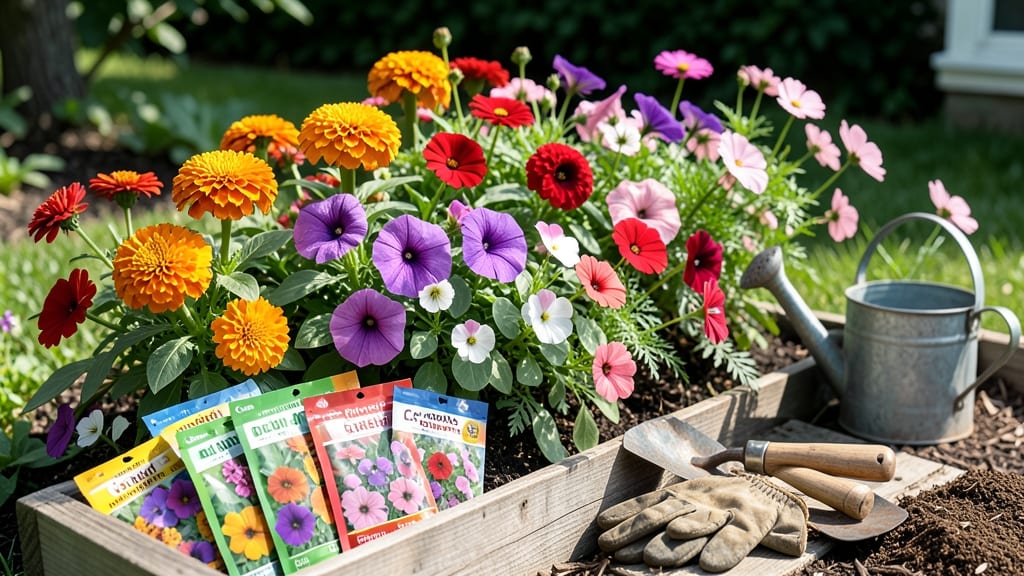
Timing your annuals planting in Ohio can feel like playing a game of chance—one wrong move, and frost will turn your tender 🌱 annuals into a sad, wilted memory.
But here’s the thing: the best gardeners don’t just follow the calendar; they read the soil, track heat waves, and adjust for Ohio’s quirky microclimates.
Whether you’re dreaming of vibrant marigolds or towering sunflowers, planting too early risks frost damage, while waiting too late might leave you scrambling for summer blooms. The key? Understanding your zone’s last frost date—and knowing which heat-loving annuals can handle Ohio’s late-June surprises.
I’ve dug into Ohio State University Extension’s data to break it down for you: cool-season stars like pansies thrive with an early start, while zinnias and cosmos laugh off the heat when planted as late as June 15th.
Let’s cut through the guesswork and get your garden on the fast track to color.
Ready to stop second-guessing and start planting with confidence? I’ll walk you through exact deadlines, soil temp tricks, and even how to stretch your season with row covers—so your annuals bloom like they’re on a Ohio summer timeline, not a gamble.
Ohio annual planting deadlines by heat tolerance category
Ohio’s Zone 5-6 climate means your planting schedule hinges on last frost dates (typically April 15–May 15 in most regions) and soil temperature thresholds. Cool-season annuals like pansies and lettuce can handle light frosts, while tomatoes and petunias need warm soil (60°F+) to thrive.
Let’s break down the exact windows for each category, so you can align your planting with Ohio’s unpredictable spring.
Start by checking your local last frost date—use the Ohio State University Extension’s frost calculator for precise timing. For northern Ohio (Zone 5), aim for mid-April to early May for cool-season crops, while southern Ohio (Zone 6) can plant 2–3 weeks earlier.
Warm-season annuals, like marigolds and zinnias, should wait until soil temps hit 60°F, usually late May to early June.
Here’s the key to success: soil temperature matters more than air temperature. Use a soil thermometer to confirm readiness—50°F for cool-season and 60°F+ for warm-season annuals. In Ohio’s variable climate, this can mean a 2-week difference between planting zones, even within the same county.
For cool-season annuals (e.g., kale, spinach, pansies), plant 4–6 weeks before your last frost date. These hardy plants can tolerate light frosts and even brief freezes, making them ideal for Ohio’s early spring gardens.
In Zone 5, this translates to mid-March to early April, while Zone 6 gardeners can start as early as late February.
Warm-season annuals (tomatoes, peppers, impatiens) are the most finicky—they won’t germinate in cold soil and will bolt if planted too late. Wait until 2 weeks after your last frost date and soil temps are consistently 60°F+.
In Ohio, this is usually late May to early June, but urban heat islands (like Columbus or Cleveland) may warm up 1–2 weeks earlier.
Pro tip: Start warm-season seeds indoors 6–8 weeks before transplanting to give them a head start. Use grow lights or a sunny windowsill (south-facing) to ensure strong seedlings. Harden them off 1 week before transplanting to avoid shock from Ohio’s chilly nights.
Heat-tolerant annuals like zinnias, cosmos, and Mexican sunflower are your secret weapon for late plantings. These summer bloomers can handle Ohio’s hot July and August temps if planted after June 1. They’re perfect for filling gaps left by early-season plants or extending your fall color.
| Category | Planting Window (Zone 5) | Planting Window (Zone 6) | Soil Temp Threshold | Examples |
|---|---|---|---|---|
| Cool-Season Annuals | Mid-March to early April | Late February to mid-March | 45–50°F | Pansies, Lettuce, Kale, Spinach |
| Warm-Season Annuals | Late May to early June | Mid-May to late May | 60°F+ | Tomatoes, Peppers, Petunias, Marigolds |
| Heat-Tolerant Annuals | June 1–July 15 | May 20–June 30 | 55°F+ | Zinnias, Cosmos, Sunflowers, Mexican Sunflower |
| Late Summer/Fall Annuals | August 1–September 1 | July 15–August 15 | 50°F+ | Cosmos, Snapdragons, Stocks |
Ohio’s first frost dates (typically October 15–November 15) signal the end of the growing season for most annuals, but heat-tolerant varieties can push blooms into early November if planted early enough.
For example, cosmos and zinnias often rebloom in Ohio’s mild Indian summer, giving you extra color before winter sets in.
To maximize your Ohio garden, plan for succession planting. Replace early bolting lettuce with late-season kale or
Ohio annual planting deadlines by heat tolerance category
Ohio’s last frost date typically falls between April 15th and May 15th, but this varies by microclimate and elevation. For cool-season annuals like pansies and snapdragons, aim to plant 4-6 weeks before your average last frost date—usually by mid-March to early April in most of Ohio.
These plants tolerate light frosts and even thrive in 50°F soil temps, making them perfect for early gardeners.
Warm-season annuals such as marigolds, petunias, and tomatoes demand patience. They need soil temps above 60°F and won’t tolerate frost, so wait until after May 15th—or even June 1st in colder zones.
Use a soil thermometer to confirm readiness; these plants won’t germinate in cold soil, no matter how eager you are for summer color.
Heat-tolerant annuals like zinnias, cosmos, and sunflowers are the superstars of late plantings. They can handle Ohio’s summer heat and even transplant well in June.
These varieties thrive when soil temps hit 70°F+, so don’t hesitate to pop them in the ground as late as June 15th for a fall display.
| Category | Planting Window | Soil Temp Requirement | Ohio Deadline |
|---|---|---|---|
| Cool-Season Annuals | 4-6 weeks before last frost | 45-55°F | Mid-March to early April |
| Warm-Season Annuals | After last frost | 60°F+ | Mid-May to early June |
| Heat-Tolerant Annuals | Late spring to early summer | 70°F+ | June 1st to June 15th |
Pro tip: Check Ohio State University Extension’s frost date maps for your specific county—some areas like northeast Ohio may have later frosts than southern Ohio.
If you’re unsure, opt for transplanting seedlings instead of direct sowing; they’re less vulnerable to temperature swings and give you a head start on the season.
For gardeners in Zone 5 (northern Ohio), err on the side of caution and wait until May 20th for warm-season plants. In Zone 6 (southern Ohio), you can push it to June 1st without worry.
Always monitor nighttime temps—a sudden drop below 50°F can still damage tender seedlings.
Remember, succession planting is your secret weapon. Instead of planting all your warm-season annuals at once, stagger them every 2-3 weeks to ensure continuous blooms. This works especially well for basil, lettuce, and radishes, which bolt in the heat.