
Planting
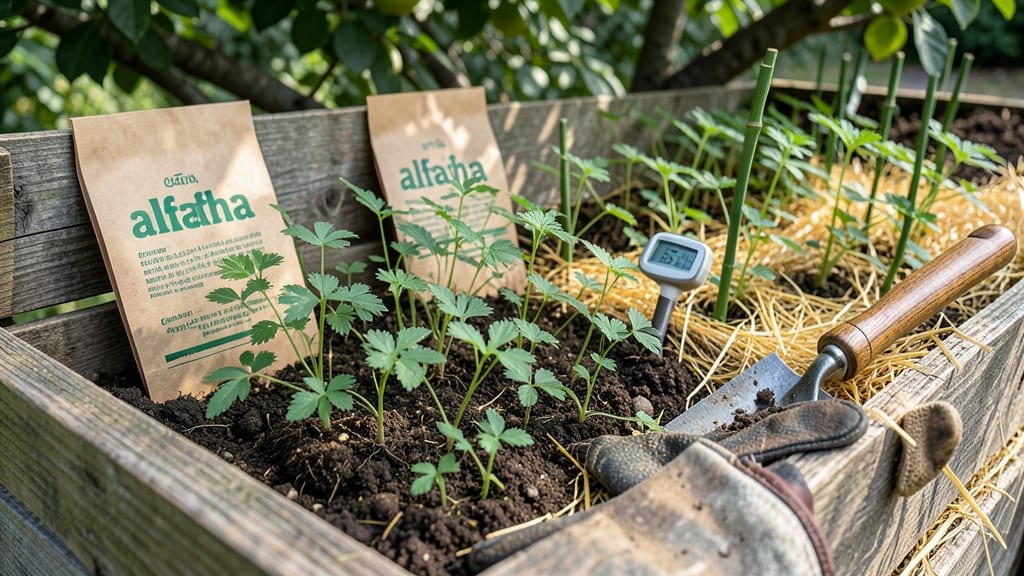
Planting alfalfa in the fall can be a game-changer for your garden—if you get the timing right. This hardy 🌱 thrives in cooler weather, but rushing it too early or waiting too long can leave your crop vulnerable to frost or weak growth. The key is planting 4-6 weeks before your first frost, giving roots time to establish before winter sets in.
For most gardeners in USDA Zone 6a (like me!), that means aiming for late August to early September. But don’t just guess—soil temperature and local frost dates matter more than calendar months.
I’ll show you how to adjust based on your region, so you’re not left with frost-bitten seedlings or stunted plants.
Why does this matter? Alfalfa planted at the right time in fall means stronger roots, better survival through winter, and a head start on next year’s harvest. Plus, you avoid the common mistakes that kill fall-planted alfalfa—like planting too shallow or ignoring soil prep.
Let’s break down the exact steps to make your fall planting a success.
Ready to set your alfalfa up for success? I’ll walk you through the best planting windows, soil prep tips, and frost-proofing tricks so you can confidently plant and watch your crop thrive. No more guessing—just proven strategies for a hardier, more productive garden.
Fall planting windows by USDA hardiness Zones: exact dates to plant alfalfa
Planting alfalfa in the fall gives your crop a head start, but the USDA hardiness zone determines your exact planting window. In Zones 3-5, aim for late August to mid-September—4-6 weeks before your first frost.
Warmer zones (6-10) can extend planting until early October, but avoid planting too close to winter.
Alfalfa seeds need soil temperatures between 60-75°F to germinate properly. If your soil cools below 50°F before germination, young seedlings risk frost damage. Use a soil thermometer to check—this is especially critical in northern climates where fall cools quickly.
In the Pacific Northwest (Zones 7-9), plant between mid-September and early October. The mild winters here allow alfalfa to establish roots before dormancy. Meanwhile, in the Deep South (Zones 8-10), you can push planting until late October, but prioritize well-draining soil to prevent waterlogging.
🌱
| USDA Zone | Planting Window | Soil Temp Goal (°F) | Key Consideration |
|---|---|---|---|
| 3-5 | Late August - Mid-September | 60-75°F | Early frost risk; use mulch |
| 6-7 | Early September - Early October | 60-75°F | Balanced frost timing |
| 8-9 | Mid-September - Late October | 60-70°F | Mild winters; extend window |
| 10 | Late September - November | 55-65°F | Warm soil; monitor drainage |
Adjust your planting date if your area experiences unpredictable frosts. Check your local National Weather Service for historical data—some regions have early October frosts despite being in Zone 7. If you’re unsure, err on the earlier side of the window to allow alfalfa time to establish roots.
For container gardening, plant alfalfa 4-6 weeks before your average first frost, just like in-ground planting. Containers cool faster, so use black plastic mulch to retain heat and protect seedlings. In Zone 5, this might mean planting by early September.
If you miss the fall window, don’t panic—alfalfa can also be planted in early spring. However, fall-planted crops often yield 20-30% more in the first harvest due to an extended growing season.
The key is soil preparation: test your pH (aim for 6.5-7.5) and amend with compost before planting.
🌿
Pro tip: Mark your planting date on a calendar and track seedling progress. Alfalfa takes 10-14 days to germinate—if no sprouts appear after 2 weeks, recheck soil moisture and temperature. In dry climates, a light misting of water may help kickstart germination.
How to time alfalfa planting for frost resistance: soil temperature & seed depth secrets
Timing your alfalfa planting for fall frost resistance starts with understanding your soil temperature. Alfalfa seeds germinate best when soil stays between 60°F and 70°F—too cold, and they’ll rot; too hot, and they’ll dry out.
Aim to plant 4-6 weeks before your first frost, but check your USDA zone for exact dates.
For example, in Zone 5, plant between mid-August and early September to give seedlings time to establish roots before winter. In warmer Zone 8, you can stretch planting until late October, but avoid planting when nighttime temps dip below 50°F.
A soil thermometer is your best friend here!
Adjust your seed depth based on soil type—sandy soils dry out faster, so plant seeds ½ inch deep, while clay holds moisture longer, allowing for ¼-inch depth.
Overwatering after planting can suffocate seeds, so keep soil consistently moist (not soggy) until germination, which takes 7-14 days in ideal conditions.
Companion planting can also extend your alfalfa’s frost resistance. Pair it with clover or alfalfa’s nitrogen-fixing cousins like vetch to improve soil structure and retain warmth. Avoid planting near potatoes or tomatoes, which compete for nutrients and attract pests that harm alfalfa.
After planting, monitor weather forecasts and prepare for light frosts by covering young seedlings with row covers or old blankets if temps drop below 32°F. Once established, alfalfa can tolerate -10°F, but young plants are far more vulnerable.
A thick layer of mulch (straw or leaves) acts as insulation and prevents soil heaving.
Finally, resist the urge to fertilize in late fall. Alfalfa needs time to harden off before winter, and fresh fertilizer can encourage tender new growth that frost will kill. Wait until early spring to apply a light nitrogen boost once the ground thaws.