
Planting
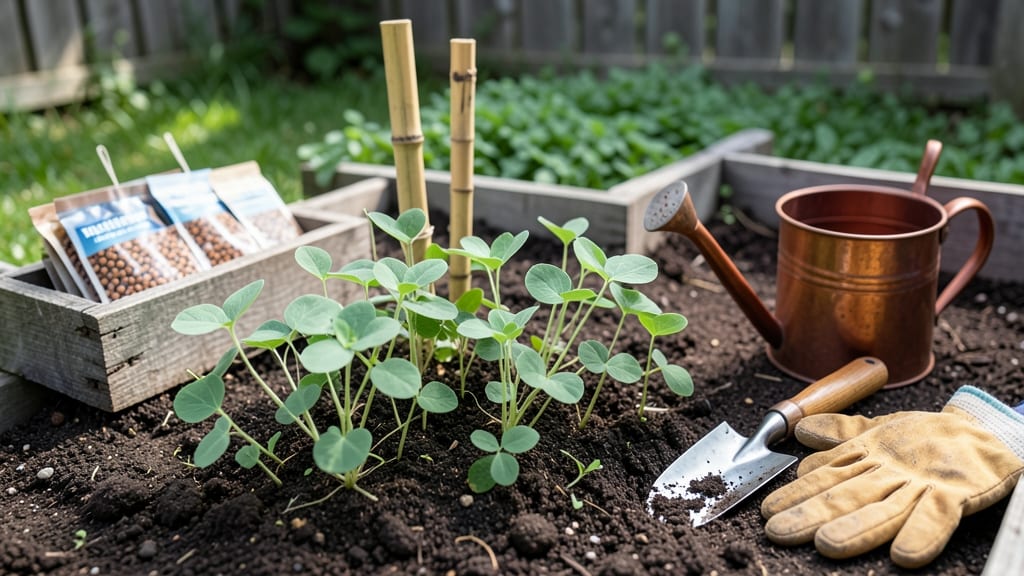
Timing your spring alfalfa planting just right can transform your garden from a patchy disappointment to a thriving, nitrogen-rich powerhouse. The difference between success and failure often comes down to waiting for the perfect balance of soil warmth and frost-free safety.
If you're in USDA Zone 6a like me, that window opens around March to early April, but the real magic happens when soil temperatures hit 50-60°F. Too early, and your seeds will rot in cold soil; too late, and you risk stunted growth from summer heat.
Let me show you exactly how to nail this timing for your climate.
We'll cover the critical factors that determine your exact planting date, from using a simple soil thermometer to adjusting for regional microclimates. Whether you're planting in raised beds or backyard plots, these insights will help you avoid common mistakes that sabotage alfalfa stands.
By the end, you'll know exactly when to get those seeds in the ground for strong, healthy plants that'll reward you with tender shoots all summer long. Let's get started with the science-backed timeline that works for your garden.
Optimal soil temperature & frost-free timeline for planting alfalfa
Alfalfa thrives when planted in warm soil and after the last frost date. Aim for soil temperatures between 50-60°F (10-15°C)—this ensures seeds germinate quickly and seedlings establish strong roots. Cold soil delays germination, while overly warm soil can stress young plants.
Your exact planting window depends on your USDA hardiness zone. In cool climates (Zones 3-5), wait until late April to early May when nighttime temperatures stay above 45°F (7°C).
In warmer zones (6-10), you can plant as early as March, but avoid planting when daytime temps exceed 85°F (29°C).
Use a soil thermometer to check depth (1-2 inches). If your soil is still cold, wait 1-2 weeks or use black plastic mulch to warm it faster. This simple tool prevents costly mistakes like slow germination or seed rot.
For precise timing, calculate 4-6 weeks before your last frost date. Check your local agricultural extension service for frost data—this is more accurate than generic calendars. For example, in Zone 6a, with a last frost of April 15, plant between March 1-15.
Regional variations matter! In the Pacific Northwest, plant in early April when soils warm. In the Southeast, late February to March works best. Always prioritize soil warmth over calendar dates—alfalfa won’t tolerate cold soil.
| Factor | Zone 3-5 (Cool) | Zone 6-8 (Temperate) | Zone 9-10 (Warm) |
|---|---|---|---|
| Soil Temp | 55-60°F (13-15°C) | 50-55°F (10-13°C) | 50-58°F (10-14°C) |
| Planting Window | Late April-May | March-April | February-March |
| Frost Risk | High | Moderate | Low |
| Soil Prep Tip | Use black plastic mulch | Test pH (6.5-7.0) | Add compost |
| Key Warning | Avoid planting before May 1 | Monitor nighttime temps | Avoid summer heat |
🌱 Pro Tip: In Zone 4, cover seeds with row fabric for 2 weeks to protect from late frosts.
Don’t rely solely on frost dates—soil temperature is your true guide. Alfalfa seeds need consistent warmth to break dormancy. If your soil is below 50°F (10°C), germination slows dramatically, inviting fungal diseases like damping-off.
For container gardening, use a heat mat to maintain soil temps. Containers cool faster than in-ground beds, so monitor closely. In raised beds, soil warms 2-3 weeks earlier than open ground—adjust your timeline accordingly.
If you’re unsure about your local conditions, plant test seeds 2 weeks early in a small plot. This lets you gauge germination speed without risking your entire crop. Remember: alfalfa’s nitrogen-fixing roots need time to establish—rushing leads to weak stands.
Finally, account for moon phases if you’re planting traditionally. The waxing moon (above-ground growth) is ideal for planting seeds. Check a lunar calendar for your region—this ancient wisdom still holds merit for many gardeners.
Optimal soil temperature & frost-free timeline for planting alfalfa
Alfalfa thrives when planted at the right time—typically 4-6 weeks before your last expected frost. This timing ensures seeds germinate in 50-60°F (10-15°C) soil, giving seedlings a strong start before summer heat arrives.
In USDA Zones 5-8, this usually falls between mid-March and early May, but your exact window depends on local frost dates and soil warmth.
For precise timing, use a soil thermometer to confirm temperatures. Alfalfa seeds won’t sprout well in cold soil, so avoid planting until the ground consistently stays above 50°F (10°C) for at least a week.
In cooler climates (Zones 3-4), wait until late April or early May, while warmer regions (Zones 9+) can plant as early as February.
🌱 Did You Know? Alfalfa’s deep root system benefits from warm soil, but planting too early in cold conditions can lead to seed rot or slow germination. Always prioritize soil temperature over calendar dates.
| USDA Zone | Frost-Free Window | Ideal Planting Month | Soil Temp Requirement |
|---|---|---|---|
| Zones 3-4 | Mid-April to early May | Late April–May | 55–60°F (13–15°C) |
| Zones 5-6 | Early April to mid-May | March–April | 50–55°F (10–13°C) |
| Zones 7-8 | Mid-March to early April | February–March | 50–58°F (10–14°C) |
| Zones 9+ | January–February | January–February | 50–60°F (10–15°C) |
In Southern Hemisphere regions (like Australia or New Zealand), plant alfalfa in late August to October, aligning with their spring months. Always check local frost forecasts and adjust if late frosts are predicted.
For example, gardeners in Zone 7 with late frosts might delay planting until early May to avoid seedling damage.
Pro tip: If your soil is slow to warm, consider black plastic mulch to raise temperatures by 5-10°F (3-6°C). This trick helps extend the planting window in cooler climates. Just remove the mulch once seedlings emerge to prevent overheating.
Remember, alfalfa’s deep taproot needs consistent moisture, so aim to plant when rainfall or irrigation is reliable. A dry spell after planting can stress young seedlings, so monitor soil moisture closely in the first 2-3 weeks.
For container growers, use heat mats to maintain soil warmth if outdoor temperatures fluctuate. This is especially useful in high-altitude gardens or areas with unpredictable spring weather. Always ensure containers have drainage holes to prevent waterlogging.