
Planting
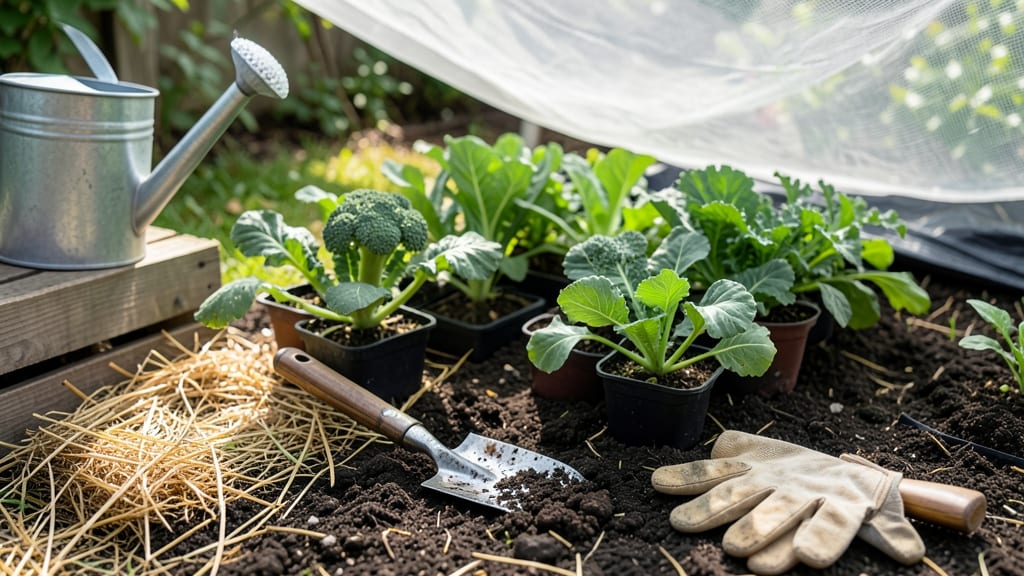
Best planting windows for Florida winter gardens by region
Florida’s winter gardening season runs from September through February, but the exact timing depends on your region. Unlike northern states, Florida’s frost-free winters and microclimates mean you can grow cool-season crops year-round with the right timing.
Coastal areas stay milder, while inland zones may experience rare light frosts (even in USDA Zones 8a-9a).
For North Florida (Panhandle, Gainesville), aim to plant leafy greens and root vegetables between mid-September and mid-November for fall harvests. This gives plants time to establish before cooler weather arrives. January-February is ideal for winter crops like broccoli and cabbage, which thrive in 50-70°F soil temperatures.
In Central Florida (Orlando, Tampa), the window is slightly wider: late August through November for fall crops and December to early March for winter plantings. The Gulf Coast (South Florida) enjoys the longest season, with year-round planting possible for heat-tolerant varieties like collard greens and mustard greens.
Even spinach and lettuce can be grown in winter with shade protection.
Here’s the key: Soil temperature matters more than air temperature. Use a soil thermometer—ideal temps for cool-season crops are 60-70°F. If your soil is still above 75°F in late summer, wait until it cools before planting heat-sensitive greens like arugula or kale.
🌱
For coastal gardeners, leverage the ocean breeze to moderate temperatures. Plant fast-maturing varieties (like bush beans or radishes) in late summer to harvest before cooler weather sets in. Inland areas should prioritize soil preparation—amend with compost and aged manure to retain moisture during Florida’s dry winters.
Pro tip: Succession plant every 2-3 weeks for continuous harvests. For example, sow lettuce seeds every 10 days in January to ensure a steady supply. This works especially well for cut-and-come-again greens like swiss chard or bok choy, which regrow after harvesting outer leaves.
Watch for humidity spikes in winter—South Florida’s damp air can lead to fungal diseases like downy mildew. Space plants properly (follow seed packet guidelines) and water at the base to avoid wetting foliage. Mulch with straw or pine needles to keep soil moist and suppress weeds.
🌿
3 Critical mistakes that ruin winter garden timing (and how to fix them)
Planting your Florida winter garden at the wrong time can turn your green thumb into a wasted seed thumb. The biggest mistake? Ignoring soil temperature and assuming cooler air means ready-to-plant conditions.
Many gardeners rush to sow seeds in late November or December only to watch their greens bolt or rot in uncooled soil.
Another common error is overlooking microclimates. Coastal areas like Miami or Fort Lauderdale stay warmer than inland cities like Orlando or Gainesville. Planting the same crops in both zones without adjustment leads to uneven growth or failed harvests.
Even a 5°F difference can mean the difference between thriving kale and limp lettuce.
Here’s the visual breakdown of the 3 critical mistakes—and how to avoid them:
Mistake #1: Planting Before Soil Cools
Soil stays too warm well into November. Use a soil thermometer—ideal temps for cool-season crops are 60–70°F. If your soil reads above 75°F, wait 2–3 weeks.
Mistake #2: Ignoring Frost Risk in North Florida
Even though South Florida rarely sees frost, North Florida (Zones 8a–9a) can hit 32°F. Protect tender crops like spinach or peas with row covers or move potted plants indoors if temps drop below 40°F.
Mistake #3: Choosing Heat-Sensitive Crops Too Late
By March, Florida’s winter warmth returns. If you plant lettuce or broccoli after February 15, they’ll bolt (go to seed) quickly. Swap late-winter crops for heat-tolerant greens like Swiss chard or collards.
Fix these mistakes by adjusting your planting calendar. For example, in Central Florida, aim to sow leafy greens by October 15 and root crops by November 1. In South Florida, you can push greens into December, but always check soil temps first.
Pro tip: Use shade cloth (30–50%) over seedlings in late winter to slow bolting. This buys you 2–4 extra weeks of harvestable greens before the heat peaks. Even a $20 shade cloth can save your entire crop from turning bitter or flowering prematurely.
Timing your winter garden right means fewer pests, healthier plants, and longer harvests. Start with these fixes, and your Florida winter garden will thrive—no wasted seeds in sight! 🌱