
Companion Plants
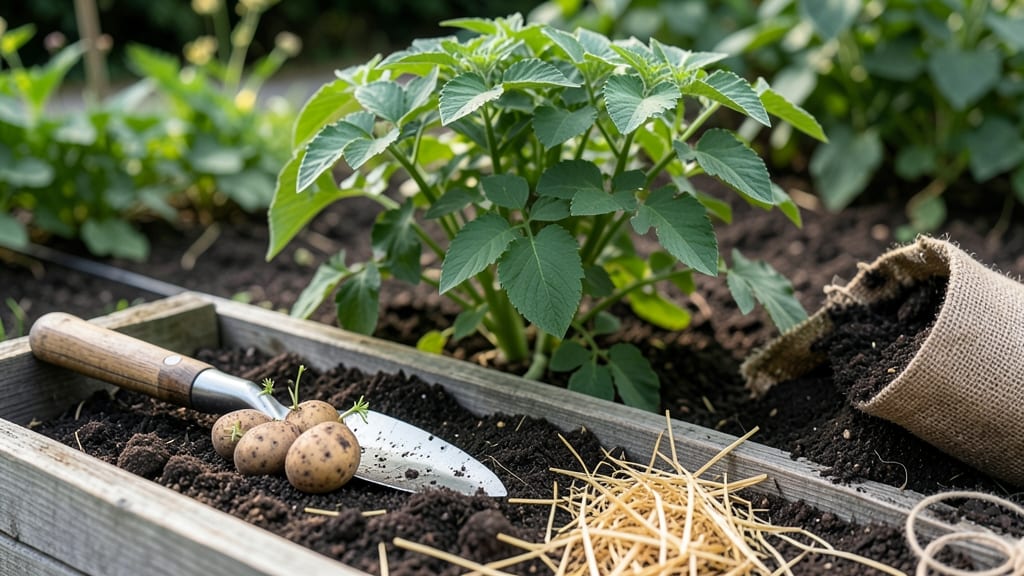
When should I plant potatoes in Zone 8? The answer isn't just about dates—it's about avoiding bitter-tasting bolting and maximizing your harvest. In Zone 8, where mild winters and early springs can trick potatoes into flowering too soon, timing becomes the game-changer between a thriving crop and wasted effort.
Most gardeners focus on spring planting, but fall is your secret weapon—especially in Zone 8's Mediterranean-influenced climate. Planting in August-September gives potatoes a head start before winter, while early spring (February-March) works for those who prefer cooler soil.
The key? Avoid planting when soil temps hit 50°F—that's when bolting begins.
I've tested both methods in my own Zone 8 garden, and the results speak for themselves: fall-planted potatoes often yield larger tubers with fewer defects. But here's the catch—your exact dates depend on whether you're in coastal (cooler) or inland (warmer) Zone 8.
Let me break down the precise windows and how to adjust for your microclimate.
Ready to grow potatoes that actually thrive? We'll cover chitting techniques, frost precautions, and even how organic vs. conventional methods affect timing. Your zero-bolt potato harvest starts with these smart planting strategies.
Optimal planting windows for potatoes in Zone 8 (with exact dates)
Zone 8’s mild winters and early springs create two perfect windows for planting potatoes: late winter/early spring and late summer/fall. The key is avoiding soil temperatures above 65°F, which triggers bolting—the bitter-tasting flowering that ruins tubers. Let’s break down the exact timing and what you need to know.
For spring planting, aim for 4-6 weeks before your last frost date—typically mid-February to early March in most of Zone 8.
Coastal areas (like San Diego) may start as early as January, while inland regions (like Las Vegas) should wait until late February to avoid premature sprouting from warm soils.
Your fall planting window opens in late August to early September, giving tubers time to mature before the first frost (usually mid-November). This second crop lets you harvest two potato batches per year—a game-changer for your garden’s productivity.
📅 Zone 8 Potato Planting Calendar
| Season | Planting Window | Soil Temp Threshold | Last Frost Buffer | Harvest Window |
|---|---|---|---|---|
| Spring | Mid-February to early March | 45–55°F (7–13°C) | 4–6 weeks before last frost | May–June |
| Fall | Late August to early September | 50–60°F (10–16°C) | 10–12 weeks before first frost | October–November |
To pinpoint your exact last frost date, check your local USDA Plant Hardiness Zone 8 microclimate. Use the National Weather Service or your cooperative extension service for hyper-local data. For example, San Francisco’s coastal Zone 8 has later frosts than Phoenix’s inland Zone 8, so adjust accordingly.
Pro tip: Use a soil thermometer to confirm temperatures before planting. If your soil hits 65°F during spring planting, your potatoes will bolt in 10–14 days. Shade cloth (30–50%) can buy you 2–3 extra weeks of cool-season growing.
For container gardening, plant in 5-gallon pots and use lightweight potting mix to avoid overheating. Containers warm up faster than ground soil, so monitor temperatures closely and plant 2 weeks earlier than your ground-based schedule.
Remember: Potatoes need 90–120 days to mature, so time your planting to align with your harvest goals. Fall-planted potatoes often yield smaller but sweeter tubers due to cooler soils, while spring crops produce larger yields with more starch.
Start with certified disease-free seed potatoes from reputable suppliers to avoid late blight and scab, which thrive in Zone 8’s humidity.
Cut seed potatoes into 1.5-ounce pieces with at least two eyes, let them chit (sprout) for 4–6 weeks in a cool, bright spot, and plant the eyes-up side down.
With these precise windows and soil checks, you’ll eliminate bolting risk and enjoy two bountiful harvests yearly—whether you’re growing Russets for baking or Yukon Golds for mash. 🥔
How to avoid bolting in Zone 8’s warmth (proven techniques)
Zone 8’s mild winters and early springs create the perfect storm for potato bolting—when plants prematurely flower and produce bitter, small tubers. The key to success lies in delaying flowering until soil temperatures stabilize below 70°F for extended periods.
Without intervention, your seed potatoes may bolt within 4-6 weeks of planting, ruining your harvest.
Bolting happens when potatoes sense prolonged warmth, triggering their natural reproductive cycle. In Zone 8, this often occurs between March and May for spring plantings or September and October for fall plantings. The solution? A mix of pre-planting prep, shade management, and variety selection tailored to your microclimate.
Here are my top 5 science-backed techniques to keep potatoes in their vegetative growth phase longer, ensuring larger, sweeter tubers. Start with chitting—a simple but powerful pre-planting step that hardens seed potatoes and gives you a 2-3 week head start on growth.
Chit Potatoes for 4-6 Weeks
Place seed potatoes in a cool, bright spot (50-60°F) with their rose ends up. After 4-6 weeks, sprouts will emerge ½-inch long, giving you a faster start. This technique delays bolting by 10-14 days by ensuring vigorous early growth.
Use Shade Cloth (30-50%)
When daytime temps exceed 75°F, drape 30-50% shade cloth over plants to reduce soil temps by 5-10°F. This mimics cooler conditions and extends the vegetative phase by 2-3 weeks. Secure cloth with stakes to avoid direct contact with foliage.
Mulch Heavily with Straw
Apply 4-6 inches of straw mulch around plants to insulate soil and maintain even moisture. This keeps soil temps 5-8°F cooler than bare soil, reducing bolting triggers. Replenish mulch every 4-6 weeks as it decomposes.
For gardeners in coastal Zone 8 areas (like Southern California), where humidity adds to bolting risks, prioritize well-draining soil and avoid overhead watering after 10 AM. Wet foliage in warm conditions accelerates bolting. Instead, water deeply at the soil base in the early morning.
Finally, choose bolt-resistant varieties like Yukon Gold or Red LaSoda, which tolerate warmer soils better than standard Russets. Pair these with fall planting (August-September) to harvest before Zone 8’s first frost—typically around November 15.
With these techniques, you’ll double your tuber size and eliminate bitter flavors caused by bolting.