
Companion Plants
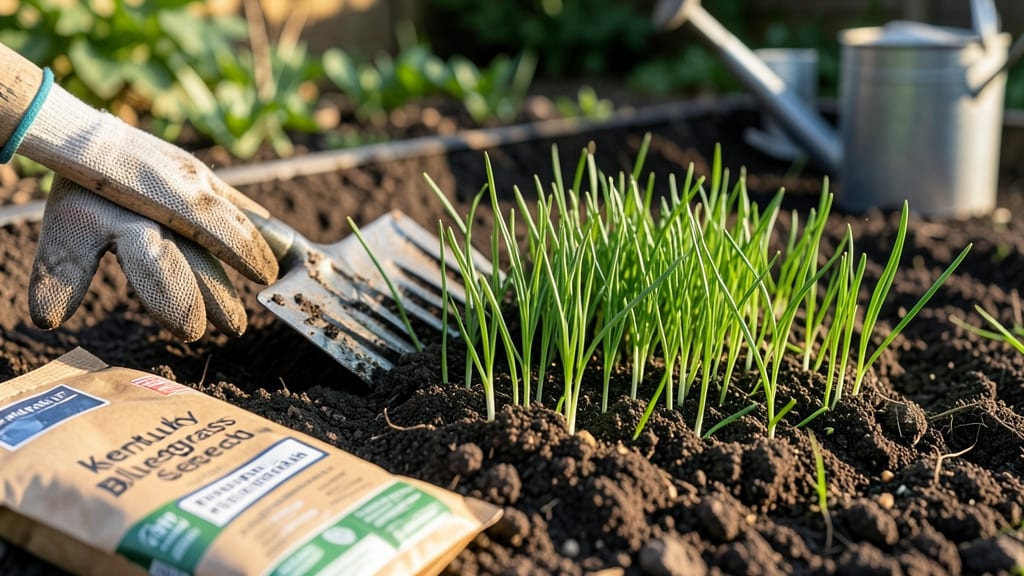
Planting your grass at the wrong time in spring can turn your dream of a vibrant lawn into a frustrating patchwork of dirt and weeds—so getting the timing right is the key to success.
Most gardeners in Zone 6a wait until after the last frost, but there’s actually a 4-6 week window before soil temperatures reach the ideal 50-65°F for cool-season grasses like Kentucky Bluegrass. This means planting too early risks frost damage, while waiting too late can leave your lawn vulnerable to weeds.
I’ll show you exactly how to balance frost dates with soil readiness, so you can plant your 🌱 grass at the perfect moment—no guesswork involved.
Whether you’re seeding a new lawn or overseeding an existing one, these insights will help you avoid common mistakes and set your grass up for a strong start.
How to calculate your perfect grass planting window using frost dates
Determining the best time to plant grass in spring isn’t just about checking a calendar—it’s about balancing local frost dates with soil temperature thresholds that trigger seed germination.
Cool-season grasses like Kentucky Bluegrass and Fescue thrive when soil warms to 50-65°F, while warm-season varieties such as Bermuda and Zoysia need 65-75°F to sprout. Planting too early risks frost damage, but waiting too long can leave your lawn vulnerable to weeds.
Start by checking your last average frost date for your USDA hardiness zone. Most gardeners aim to plant 4-6 weeks before the last frost, but this varies by grass type.
For example, in Zone 5, that might mean mid-April for cool-season grasses, while warm-season grasses should wait until late May or early June. Always verify with your local agricultural extension office for hyper-local adjustments.
Next, monitor soil temperature at 4-inch depth—this is the critical layer where grass roots establish. Use a soil thermometer (or a reliable weather app) to confirm temperatures meet your grass type’s threshold.
Pro tip: Mornings are best for readings, as afternoon sun can skew results. If your soil is still below 50°F, delay planting, even if the calendar suggests it’s time.
| Grass Type | Ideal Soil Temp (°F) | Days After Last Frost | Key Risk |
|---|---|---|---|
| Cool-Season (Kentucky Bluegrass, Fescue) | 50-65 | 1-2 weeks | Late frost damage |
| Warm-Season (Bermuda, Zoysia) | 65-75 | 4-6 weeks | Slow germination in cold soil |
*Adjust timing 2-3 weeks earlier for northern climates or later for southern regions.
Don’t overlook microclimates in your yard. South-facing slopes warm up faster than shaded areas, while low-lying spots may stay colder longer. Test multiple locations with your soil thermometer to identify the fastest-warming zones for planting.
If your yard has significant elevation changes, prioritize planting in the warmest microclimate first, then expand to cooler areas as conditions improve.
For northern climates (Zones 3-5), aim to plant cool-season grasses 1-2 weeks after the last frost. In southern climates (Zones 7-9), warm-season grasses can go in as early as late February, but be prepared to protect seedlings from unexpected cold snaps.
Always have frost cloth on hand for emergencies—it can save your investment if a late frost hits.
If you’re unsure about your exact frost date, use a 10-day forecast as a backup. Look for a stretch with consistent daytime highs above 60°F and nighttime lows above 40°F.
This stability gives seeds the best chance to germinate without stress. Pair this with a seed starter fertilizer to jumpstart root growth during cooler periods.
Remember, overseeding in early spring (before weeds take over) is often more successful than full lawn renovations. If your existing lawn is thin, scatter half the recommended seed rate in your calculated window, then top-dress with compost. This approach builds density without overwhelming your soil or budget.
Finally, keep a planting journal to track your success. Note your frost date, soil temperature, and germination timeline each year. Over time, you’ll refine your window to match your yard’s unique conditions—leading to thicker, greener grass with minimal effort. 🌱
5 Critical signs your spring soil is ready for grass (beyond the calendar)
Your local frost date calendar gives you a starting point, but the real magic happens when your soil is truly ready to welcome grass seeds.
I’ve learned the hard way that planting too early—even if the calendar says it’s safe—can lead to seeds washing away in heavy spring rains or freezing before they sprout. Instead of guessing, here are the 5 field-tested signs I use to confirm my soil is perfect for planting.
First, check the moisture level with the classic "squeeze test." Grab a handful of soil and press it gently—it should hold its shape but crumble when you release pressure. This 40-60% moisture range is ideal because it’s damp enough to support germination but not soggy enough to suffocate seeds.
If it feels like a damp sponge, you’re golden. If it’s dry and dusty, water it thoroughly and wait a day or two before planting.
- 1. The Squeeze Test: Soil holds shape but crumbles when released (40-60% moisture).
- 2. Weed Bloom Watch: Chickweed or crabgrass sprouting? Your window is now—but warm-season grasses need to wait.
- 3. Root Probe Check: Push a screwdriver 6+ inches deep; resistance = cold, compacted soil.
Next, observe weed growth patterns in your yard. If you spot chickweed or crabgrass sprouting, it’s a clear signal that your soil has warmed enough for grass seeds to germinate.
However, here’s the catch: cool-season grasses like Kentucky Bluegrass can handle this timing, but warm-season grasses like Bermuda or Zoysia need to wait until the soil is even warmer. Pay attention to which weeds are popping up—this tells you whether your microclimate is ready for your specific grass type.
Don’t overlook the root penetration test, a trick I picked up from a local agronomist. Grab a screwdriver or a soil probe and push it 6 inches into the ground. If it goes in easily, your soil is warm and loose, perfect for grass roots to establish.
But if you hit resistance, your soil is still too cold or compacted. In this case, aerate the lawn a few days before planting to break up compacted layers and improve drainage. This step can make the difference between a patchy lawn and a lush, uniform carpet of grass.
Another often-overlooked sign is the smell and texture of your soil. Healthy, ready-to-plant soil has a fresh, earthy aroma and feels slightly gritty when you rub it between your fingers. If it smells musty or feels slimy, it’s too wet and prone to fungal issues.
On the flip side, if it’s bone-dry and crumbles like powder, it’s not holding enough moisture to support new seedlings. In both cases, adjust your watering routine for a week before planting to balance the conditions.
Finally, consider the air temperature trends over the past few days. If nighttime temperatures consistently stay above 40°F and daytime highs are creeping toward 60°F, your grass seeds are less likely to suffer from cold snaps.
I like to monitor the weather for at least 3-5 days before planting to ensure stability. This is especially critical if you’re planting warm-season grasses, which need consistent warmth to germinate properly.
By combining these 5 soil readiness signs with your local frost date, you’ll have a foolproof system for planting grass at the perfect moment. Trust me, your future lawn will thank you for the extra effort—it’s the difference between a struggling patchwork and a vibrant, healthy lawn by summer. 🌿