
Plants
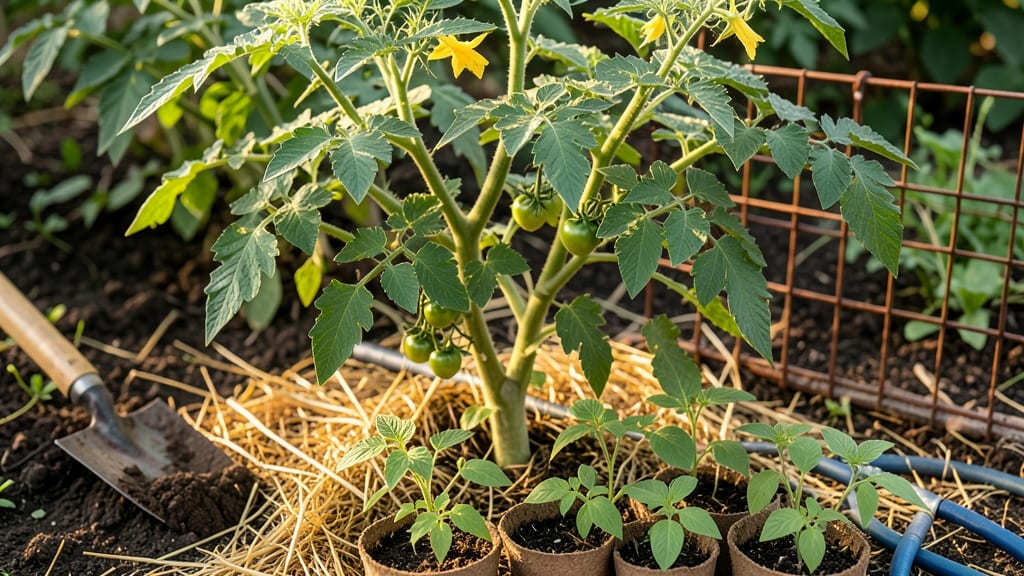
Oklahoma’s last-frost dates by county: the exact window to plant tomatoes for maximum yield
Oklahoma’s diverse climate zones (USDA 6b-8a) mean your tomato planting window depends heavily on where you live. In northern counties like Woods or Alfalfa, last frosts can linger until mid-April, while southern regions like Lawton or Altus often see frost-free conditions by early March.
This variance explains why Oklahoma City’s Zone 7b gardeners have a 2-week advantage over those in Zone 6b areas like Ponca City.
To pinpoint your exact planting window, I recommend checking the Oklahoma Mesonet’s frost data or using the USDA Plant Hardiness Map. For most Oklahoma gardeners, the sweet spot falls between mid-April and early June, but this shifts 2-3 weeks earlier in southern Oklahoma.
The key is planting after your average last frost—not just when you hope frost is over.
Here’s the critical rule: Tomatoes thrive when nighttime temperatures stay above 50°F. If your region’s last frost date is April 15, wait until May 1 to plant—this gives soil time to warm to 60°F+, the ideal temperature for seed germination or transplanting.
Cold soil slows growth and invites damping-off disease.
For urban gardeners in cities like Tulsa or Norman, watch for microclimate effects. Concrete and pavement create heat islands that can push last frost dates 1-2 weeks later than rural areas. Use a soil thermometer to confirm readiness—60°F+ for seeds, 55°F+ for transplants.
If you’re starting seeds indoors, begin 6-8 weeks before your last frost date. For example, Zone 6b gardeners should start seeds by mid-February, while Zone 8a gardeners in southwestern Oklahoma can wait until late January.
Seedlings need 12-16 hours of light daily—use grow lights if natural light is limited.
| County | USDA Zone | Last Frost (Avg.) | Plant Window | Heat-Tolerant Varieties |
|---|---|---|---|---|
| Woods/Alfalfa | 6b | Mid-April | May 1–May 15 | ‘Mountain Merit’, ‘Better Boy’ |
| Oklahoma City | 7b | April 1 | April 15–May 1 | ‘Celebrity’, ‘Solar Fire’ |
| Tulsa | 7a | March 25 | April 1–April 15 | ‘Arkansas Traveler’, ‘Heatmaster’ |
| Lawton | 7b | March 15 | March 30–April 15 | ‘Sun Gold’, ‘Heatmaster’ |
| Altus | 8a | February 28 | March 15–March 30 | ‘Solar Fire’, ‘Heatmaster’ |
Pro tip: Use Oklahoma State University’s County Extension Office for hyper-local advice. For example, Ponca City’s Zone 6b gardeners often plant 1-2 weeks later than Tulsa’s Zone 7a neighbors—even though they’re only 50 miles apart.
Elevation and wind patterns play a role too; western Oklahoma’s panhandle (Zone 7a) can have earlier springs than eastern areas.
For container gardening, adjust your timeline by 1-2 weeks later—pots heat up faster but also cool down
How to extend your tomato growing season in Oklahoma: cold frames, row covers, and heat-tolerant varieties
Oklahoma’s short growing season and intense summer heat can challenge tomato lovers, but smart techniques let you grow tomatoes earlier and later than the typical window. Whether you’re in Zone 6b’s cooler north or Zone 8’s hot south, these methods will help you squeeze out more harvests.
For early starts, use cold frames or row covers to protect seedlings from late frosts. These low-tech solutions raise soil temperatures by 5–10°F, letting you plant 4–6 weeks earlier than usual. In Zone 6, this could mean tomatoes as early as mid-March instead of April.
🌱 Top 5 Heat-Tolerant Tomato Varieties for Oklahoma
- ‘Celebrity’ – Disease-resistant, thrives in 90°F+ heat
- ‘Solar Fire’ – Yellow, heat-loving, great for late-season
- ‘Heatmaster’ – Tolerates drought and heat stress
- ‘Arkansas Traveler’ – Classic heat-resistant heirloom
- ‘Mountain Merit’ – Disease-free, high-yield in heat
To extend harvests into fall, use shade cloth (30–50%) to protect plants from late-summer heat waves. This keeps soil cooler and reduces blossom-end rot. Pair it with drip irrigation to maintain moisture without wetting leaves—critical in Oklahoma’s dry spells.
For urban gardeners, consider container growing with heat-tolerant varieties. Pots warm up faster, so use black plastic containers to absorb sunlight and keep roots cozy. Move containers to shadier spots midday during heatwaves to prevent wilting.
Always monitor soil temperature with a thermometer—tomatoes need 60°F+ for seeds and 55°F+ for transplants. If soil stays cool, delay planting or use black plastic mulch to warm it faster. In Zone 8, this might mean planting as late as early June!
With these tricks, you can double your tomato harvests by growing both early and late crops. Just remember: heat tolerance ≠ drought tolerance, so keep those roots hydrated! 🌿