
Plants
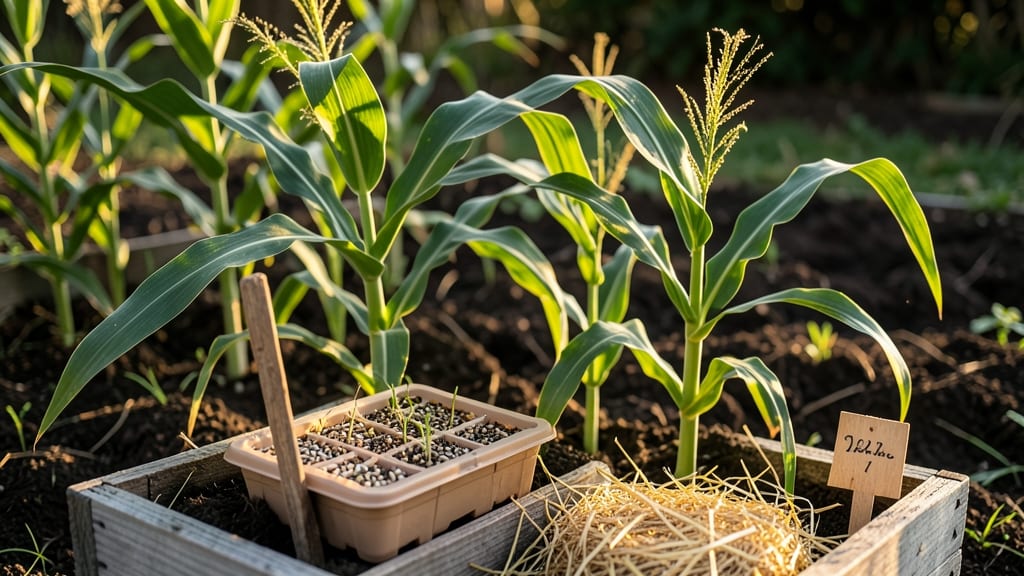
Planting corn in Florida isn’t just about sticking seeds in the ground—it’s about beating the heat and avoiding those pesky cold snaps that can sneak in early. With 8a-11 zones and frost-free winters, you’ve got a long growing window, but timing matters more than you’d think.
The ideal window for your 🌽 crop is March through May for spring planting, with a second chance in August to September for late-summer harvests.
Too early, and you risk stunted growth from lingering cool spells; too late, and summer’s scorching sun might stress your plants before they even form ears.
I’ll break down the exact months for North, Central, and South Florida—plus the heat-tolerant varieties that thrive here. No more guessing whether your soil’s warm enough or if pests will strike before your corn even sprouts.
Ready to grow corn that’s plump, sweet, and ready to harvest? Let’s dive into the Florida-specific schedule that’ll turn your garden into a cornucopia—no frost worries included.
Best months to plant corn in Florida by region (exact dates for peak yields)
Florida’s three distinct regions—North, Central, and South—each have unique planting windows for corn. The key is avoiding early spring cold snaps (below 50°F) and late summer heat stress (above 95°F). Most Florida gardeners succeed with two planting cycles: spring and late summer.
For North Florida (USDA Zones 8a-8b), like Jacksonville and Gainesville, the last frost date typically falls around January 15. This means you should wait until mid-March to plant early varieties.
In Central Florida (Zones 9a-9b), like Orlando and Tampa, you can start as early as late February since frost is rare.
South Florida (Zones 10a-11) enjoys year-round growing potential, but even here, August-September is ideal for late-season plantings to avoid hurricane season (June-November) and earworm infestations. Always check your local Frost Free Date via the Florida Climate Center for precision.
Soil temperature is your best guide: corn thrives when soil reaches 60°F+. Use a soil thermometer to confirm—planting too soon in cool soil leads to poor germination and stunted growth. In Florida, this usually aligns with March-April for spring and August for late summer.
If you’re growing early-season varieties (like ‘Ambrosia’), aim for March planting in North Florida to harvest by late June before summer heat sets in. For late-season varieties (like ‘Silver Queen’), plant in August to harvest in October-November, avoiding earworm peak in September.
For continuous harvests, stagger plantings every 2 weeks within your region’s window. This ensures a steady supply of fresh corn without overwhelming your garden. For example, plant March 1, March 15, and April 1 in Central Florida for a June-September harvest.
Microclimates matter! Coastal areas (like Fort Lauderdale) stay warmer longer, while inland zones (like Ocala) may need earlier plantings. Observe your garden’s sun exposure and wind patterns—corn thrives in full sun (6+ hours/day) and struggles with strong afternoon breezes, which dry out soil.
Always choose heat-tolerant varieties for Florida’s climate. Avoid northern hybrids like ‘Golden Bantam’, which bolt in summer heat. Instead, opt for southern-bred corn with drought resistance, such as ‘Peaches & Cream’ or ‘Bodacious’. These varieties stay productive even when temperatures hit 90°F+.
Finally, mark your calendar for Florida’s hurricane season (June-November). If planting in late summer, prioritize wind-resistant supports (like stakes or trellises) and elevated beds to prevent soil erosion from storms. A two-week buffer before the start of hurricane season ensures your crop matures before potential damage.
Best months to plant corn in Florida by region (exact dates for peak yields)
Florida’s three distinct regions mean your corn planting schedule should shift depending on whether you’re in North, Central, or South Florida. The key is soil temperature—corn needs at least 60°F soil to sprout, but 75°F+ is ideal for rapid growth.
Let’s break it down by region so you can avoid those early-season cold snaps that still sneak into North Florida.
In North Florida (USDA Zones 8a-8b), your last frost typically hits around January 15, but soil warms slowly. Wait until mid-March to early April to plant—this gives your soil time to reach that 60°F threshold.
For a second harvest, late August to early September works perfectly, letting you beat the November frost that often rolls in.
If you’re in Central Florida (Zones 8b-9a), you’ve got a longer window—start as early as late February if your soil hits 65°F. But don’t rush: March to early April is your sweet spot for peak yields.
For a second crop, mid-August to late September lets you harvest before October humidity turns your garden into a fungal hotspot.
Down in South Florida (Zones 10a-11), frost is rarely a concern, but heat stress is your enemy. Plant January to early March for spring corn, and June to early July for a late-summer harvest.
The trick here? Shade cloth during peak afternoons can save your ears from sun scorch when temps hit 95°F+.
Pro tip: Use a soil thermometer—don’t guess! Corn seeds need consistent warmth to germinate. If your soil’s below 60°F, wait it out. Patience here means plump ears, not stunted plants.
And always plant 2 weeks after your last frost date—even in South Florida, a rare cold snap can sneak up.
Ready to pick your perfect variety? Next, I’ll share the top heat-tolerant corn types that thrive in Florida’s sweltering summers—no wilting in sight! 🌽