
Plants
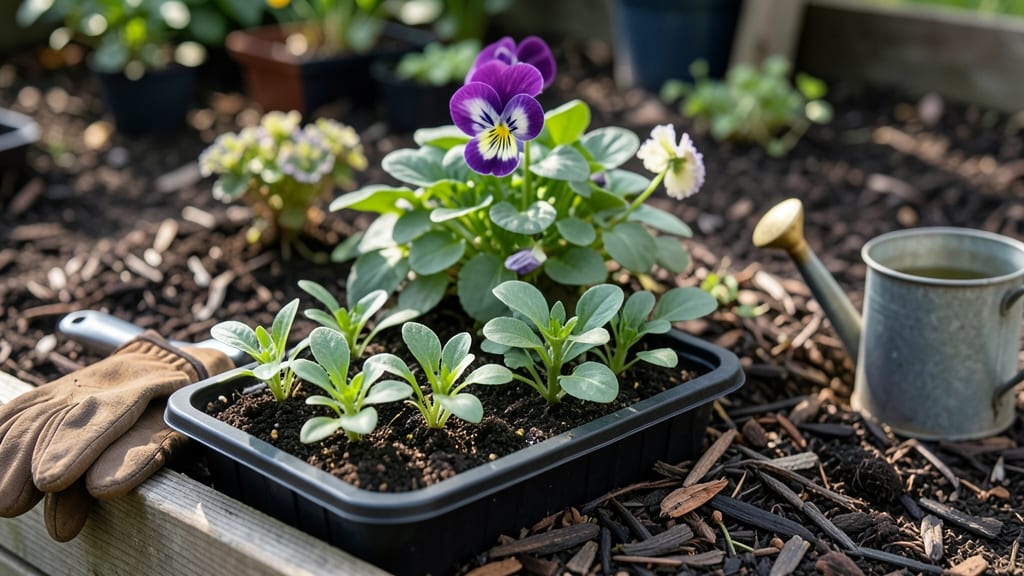
If you're dreaming of a Georgia garden bursting with vibrant 🌸 pansies that bloom from fall through spring, the best time to plant pansies in Georgia isn't just about the calendar—it's about syncing with your local frost dates and microclimate.
Whether you're in Zone 7b or 8a, getting this right means the difference between wilting disappointment and months of cheerful color.
Most gardeners in Georgia swear by two planting windows: early fall (September-October) and late winter (February-March). Why? Because these periods give your pansies time to establish roots before winter's chill or summer's heat hits.
Fall planting, in particular, lets you enjoy blooms all winter long, while spring planting sets you up for early spring color when other flowers are just waking up.
But here's the catch: Georgia's climate varies wildly from north to south, and even a week can make or break your pansies' success. I'll walk you through the exact frost-free windows for your specific zone, plus pro tips to extend their blooming season.
No more guessing—just science-backed timing for show-stopping pansies that thrive in your backyard.
Ready to transform your garden into a year-round display? Let's dive into the perfect planting schedule that'll have your pansies looking their best from September through March. Your future self (and your neighbors) will thank you!
Georgia pansy planting calendar: month-by-month frost-free window for zones 7b-8a
Georgia’s USDA Zones 7b-8a offer a unique advantage for growing pansies—you can plant them twice a year for stunning year-round color. The key is understanding your local frost dates and soil temperatures.
In most of Georgia, the average first frost arrives around mid-November, while the last frost typically occurs by mid-March. This creates two ideal planting windows: fall (September-October) and spring (February-March).
For fall planting, aim to get pansies in the ground 4-6 weeks before your first frost. This gives roots time to establish before winter sets in. In Zone 7b, this usually means late September to early October, while Zone 8a gardeners can plant until mid-October.
Spring planting should happen 4-6 weeks after your last frost date, typically late February to early March.
Soil temperature plays a crucial role in pansy success. These cool-season flowers thrive when soil temps are between 45°F and 65°F. In Georgia, soil temperatures drop below 50°F by mid-October, making late fall planting risky.
Use a soil thermometer to check before planting in shoulder seasons like August or November.
Here’s your month-by-month planting guide for Georgia pansies, including frost probabilities and care adjustments:
| Month | Planting Window | Frost Risk | Soil Temp | Care Tip |
|---|---|---|---|---|
| August | Early (Zone 8a only) | Low (0-10%) | 65°F-75°F | Provide afternoon shade |
| September | Ideal (Zones 7b-8a) | Low (0-5%) | 60°F-70°F | Mulch to retain moisture |
| October | Late (Zone 7b) | Moderate (15-30%) | 50°F-60°F | Use frost cloth if needed |
| November | Avoid (high risk) | High (40-60%) | Below 50°F | Wait for spring |
| February | Early (Zone 8a) | Low (0-10%) | 50°F-60°F | Test soil moisture |
| March | Ideal (Zones 7b-8a) | Low (0-5%) | 55°F-65°F | Fertilize lightly |
Notice how September and March stand out as the best months for planting pansies in Georgia. These windows align with cooler soil temperatures and minimal frost risk, giving your pansies the best chance to establish strong roots.
In Zone 8a (southern Georgia), you can even squeeze in an early August planting if you provide afternoon shade to protect from heat stress.
For gardeners in northern Georgia (Zone 7b), late October planting is risky due to increasing frost probabilities. Instead, focus on early September for fall color that lasts through winter. Pro tip: Use black plastic mulch in late fall to absorb heat and protect pansies from freezing temperatures.
Spring planting in March gives pansies time to bloom through April and May before summer heat sets in. If you plant in late February, be prepared to cover plants during any late frosts, which can still occur in Zone 7b until mid-March.
Always check your local frost probability maps for precise timing.
One common mistake Georgia gardeners make is planting pansies too late in fall or too early in spring. Late fall plants may not establish before frost, while early spring pansies can bolt (go to seed) prematurely if exposed to warm soil too soon.
Stick to the 4-6 week rule before/after frost dates for reliable results.
For container gardening, adjust your timing slightly. Potted pansies warm up faster and are more vulnerable to temperature swings. Move containers to protected locations at night during fall and spring, and use heat-resistant pots in summer to prevent root stress.
Remember: Pansies are hardy to 15°F, but they perform best when protected from extreme cold. With the right timing, you’ll enjoy continuous blooms from September through May—making pansies one of Georgia’s most reliable annuals.
Fall vs. spring planting: which offers longer blooms in Georgia’s climate?
Georgia’s variable climate creates two prime windows for planting pansies—fall (September-October) and spring (February-March). Each season offers unique advantages, but understanding their differences helps you choose the best strategy for continuous blooms from autumn through spring.
Fall-planted pansies establish roots before winter and burst into color as soon as temperatures rise. Spring plantings, however, often face competition from weeds and pests while trying to catch up. Let’s compare the two to help you decide which timing works best for your garden’s microclimate and goals.
- Blooms earlier in spring
- Established roots survive winter better
- Longer bloom season (Oct–April)
- Risk of late frosts damaging new growth
- Requires protective mulching
- Misses late frost risks
- Grows faster in warmer soil
- Less weed competition early on
- Shorter bloom season (March–May)
- More pest pressure in spring
For maximum blooms, many Georgia gardeners plant pansies in both seasons. Start with fall plantings in September for winter color, then add spring plantings in February to extend the show. This two-pronged approach ensures your garden stays vibrant from October through May.
If you’re short on time, prioritize fall planting—it’s the most reliable way to get early spring color. Just be sure to mulch heavily (3–4 inches of straw or shredded leaves) to protect roots during Georgia’s occasional late frosts (which can hit as late as March 15 in some areas).
Spring plantings thrive best in well-drained soil and benefit from a slow-release fertilizer at planting. Water deeply every 3–5 days until established, and watch for aphids or slugs, which are common in Georgia’s humid springs.
Pro tip: Mix pansies with cool-season companions like snapdragons or dianthus to create a longer-lasting display. These plants share similar care needs and complement pansies’ colors beautifully.
🌸