
Plants
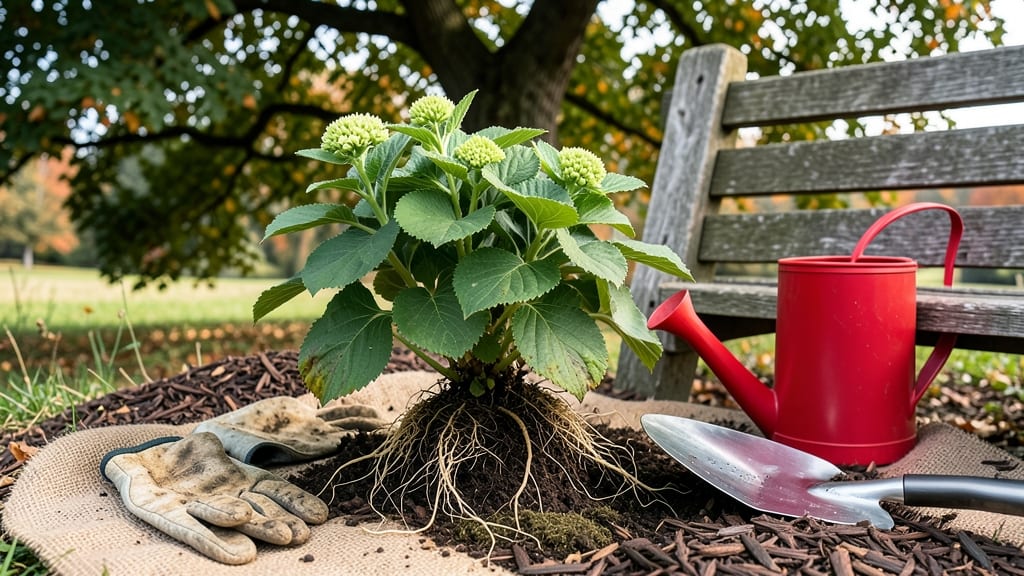
Timing your hydrangea planting just right in the Northeast could mean the difference between a show-stopping 🌸 hydrangea display and years of disappointment. With USDA zones 5-7 bringing unpredictable frost dates, getting this wrong can leave your shrubs struggling—or worse, dead before they even bloom.
Most gardeners assume spring is the only safe bet, but fall planting often gives hydrangeas a head start. The key is understanding your zone's last frost date—typically around April 15—and soil temperatures that should hit at least 60°F before digging in.
Whether you're in New England or the Mid-Atlantic, these details make all the difference.
In this guide, I'll break down the best months for planting—spring vs. fall—plus pro tips for container vs. in-ground setups. You'll learn how to time it perfectly so your hydrangeas thrive from day one, no matter where you are in the region.
Ready to transform your garden? Let's dive into the exact deadlines and care steps that'll have your hydrangeas booming in no time.
Spring planting deadlines for hydrangeas by Northeast hardiness zones 3-7
Planting hydrangeas in spring gives them the entire growing season to establish roots before winter—critical for Northeast gardeners. The ideal window spans from late April to early June, but timing varies by hardiness zone and soil temperature.
Waiting until after the last frost (typically mid-April) ensures roots won’t freeze, while planting too late risks stunted growth before winter dormancy.
Soil temperature is your best guide: Aim for 60°F or warmer at a 6-inch depth. In colder Zone 3 (e.g., northern New York, Maine), wait until mid-May when frost danger passes.
Meanwhile, Zone 7 gardeners (e.g., northern Virginia, southern New Jersey) can plant as early as late March if soil thaws consistently. Test with a soil thermometer to avoid guesswork.
Common spring planting mistakes include rushing too early (risking frost damage) or skipping soil prep (leading to poor drainage). Amend clay-heavy soils with compost or peat moss to improve aeration, and choose a spot with morning sun and afternoon shade—hydrangeas hate scorching.
Mulch with 3 inches of organic matter to retain moisture and regulate temperature.
🌱
| Zone | Ideal Planting Window | Soil Temp Goal | Key Tip |
|---|---|---|---|
| Zone 3 | Mid-May to early June | 60°F+ consistently | Wait for last frost + 2 weeks |
| Zone 4 | Late April to mid-May | 55°F+ at 6" | Test soil with thermometer |
| Zone 5 | Early April to early May | 50°F+ at 6" | Amend clay soil with compost |
| Zone 6 | Late March to April | 55°F+ at 6" | Mulch heavily for moisture |
| Zone 7 | Late March to early April | 60°F+ at 6" | Avoid full sun spots |
For container-grown hydrangeas, spring planting offers flexibility—just ensure pots are 3+ gallons and have drainage holes. Transplant bare-root hydrangeas by soaking roots in water for 1-2 hours before planting to reduce shock.
Dig a hole twice as wide as the root ball but only as deep—planting too deep suffocates roots.
After planting, water deeply to settle soil and eliminate air pockets. Apply a 2-inch layer of mulch (avoid touching the stem) to lock in moisture and deter weeds. In Zone 3-4, consider a light frost blanket for the first week if nighttime temps dip below 40°F.
Monitor for yellowing leaves, a sign of overwatering or poor drainage.
Spring-planted hydrangeas may take 1-2 years to bloom fully, but proper timing now ensures they’ll reward you with lush foliage and vibrant flowers in seasons to come. Pair your planting with a balanced fertilizer (10-10-10) in early June to kickstart growth for the summer ahead.
🌿
Pro tip: Mark your planting date on a garden calendar to track growth milestones. In Zone 5-7, hydrangeas planted in late May can still thrive if given consistent afternoon shade during summer’s peak heat.
The key is patience and preparation—spring planting sets the stage for years of effortless beauty.
✂️
Fall planting advantages and last-minute deadlines for Northeast gardeners
Fall planting often gives hydrangeas a competitive edge over spring. When planted in September or October, roots establish before winter, giving your shrubs a head start on growth. The cooler temperatures also reduce transplant shock compared to hot summer planting.
In the Northeast, fall planting works best when soil temperatures stay above 50°F but nights begin to cool. This typically means mid-September to mid-October, depending on your USDA zone. Waiting too late risks exposing young roots to early frost or freezing soil.
One major advantage of fall planting is less competition for water and nutrients. Established roots can focus on growth rather than competing with weeds or other plants for resources. Plus, hydrangeas planted in fall often bloom earlier the following year.
Here’s what you need to know about timing and care for fall-planted hydrangeas in the Northeast:
- 1. Mid-September: Plant in zones 5-6 when soil is still warm but nights cool.
- 2. Early October: Ideal for zones 6-7—soil should be 55-60°F.
- 3. Mid-October: Last chance in zone 7—avoid after October 15 to prevent frost damage.
- 4. Post-Planting: Mulch heavily (3-4 inches) to insulate roots and retain moisture.
- 5. Winter Prep: Water deeply before first frost to hydrate roots for dormancy.
After planting, focus on watering deeply but less frequently—aim for 1-1.5 gallons per plant every 10-14 days. Avoid overhead watering in late fall to prevent fungal diseases like powdery mildew, which thrives in damp, cold conditions.
Pro tip: If you miss the fall window, don’t panic! Early spring planting (March-April) is still viable, but fall gives your hydrangeas the best chance to thrive in the Northeast’s unpredictable climate. With the right timing, you’ll see healthier growth and bigger blooms next season. 🌸