
Plants
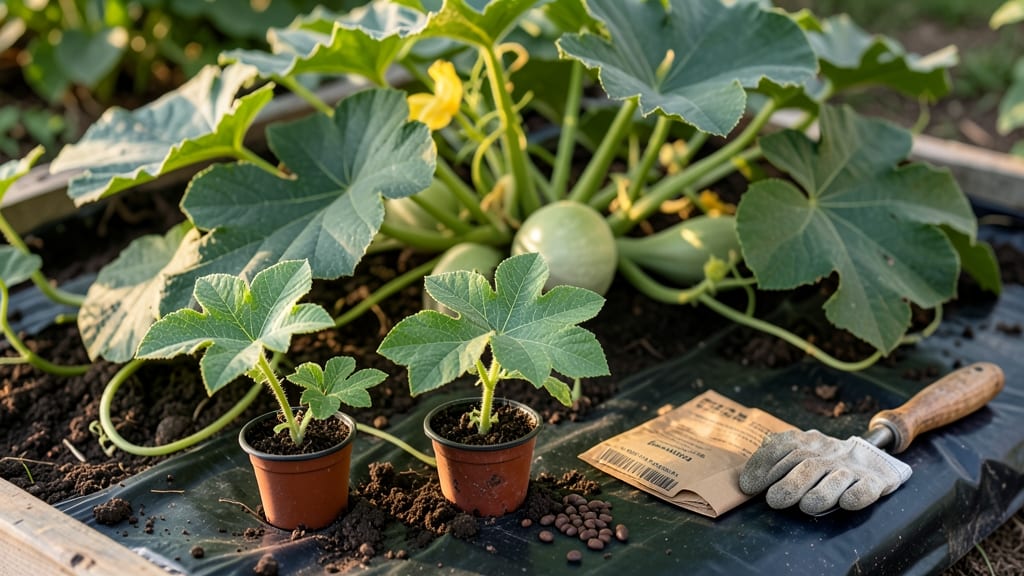
If you’re dreaming of slicing into a homegrown 🍉 watermelon this summer, timing your Tennessee planting is the key to success. Plant too early, and frost will zap your tender seedlings; too late, and your melons won’t ripen before fall’s chill.
The ideal window—April 15 to May 15—aligns with Tennessee’s 6a-7b zones and soil temperatures of 70°F+ for fast germination.
But here’s the catch: your exact planting date depends on whether you’re in East, Middle, or West Tennessee, where last frost dates can shift by 2 weeks.
I’ll break down the best methods for direct sowing vs. starting seeds indoors, so you can maximize your harvest window and avoid common pitfalls like poor drainage or pest pressure.
Ready to grow watermelons that burst with flavor? You’ll also discover how to extend your growing season with mulch or row covers, plus which fast-maturing varieties thrive in Tennessee’s heat. Let’s get those seeds in the ground at the perfect moment!
With the right timing, you’ll be enjoying crisp, sweet watermelons from July through September—no guesswork required. Let’s dive into the details so you can plan your planting like a pro.
Optimal planting weeks before Tennessee’s last frost for watermelon success
Watermelons thrive in Tennessee’s long, hot summers—but getting them in the ground at the right time is everything. Since watermelon seeds need soil temperatures of 70°F+ to germinate, planting too early risks frost damage, while late planting cuts harvest time short.
The key? Time your planting 2-4 weeks after your region’s last frost date, when soil warms consistently.
Tennessee’s USDA zones 6a-7b mean frost dates vary dramatically. East Tennessee (e.g., Knoxville) typically sees its last frost around April 15-30, while West Tennessee (e.g., Memphis) warms up by March 20-April 10. Middle Tennessee (Nashville) falls in between, with April 1-15 as the sweet spot for planting.
For fastest germination, aim to plant watermelon seeds directly in the garden when soil reaches 70°F (21°C). If you’re transplanting seedlings, wait until soil is 65°F+ and nighttime temperatures stay above 55°F (13°C). Seedlings are more delicate and need protection from cool snaps.
Here’s the golden rule: Count back 70-90 days from your first expected frost (usually mid-October in Tennessee) to determine your planting window. For example, if frost hits October 15, plant by June 20 at the latest for most varieties.
Early varieties (like ‘Sugar Baby’) can stretch this to July 1.
🌱
| Tennessee Region | Last Frost Date | Optimal Planting Window | Soil Temp Requirement | Notes |
|---|---|---|---|---|
| East TN (Knoxville, Bristol) | April 15-30 | May 1-15 (direct sow) | 70°F+ (21°C) | Use black plastic mulch to warm soil faster. |
| Middle TN (Nashville, Murfreesboro) | April 1-15 | April 15-May 1 (direct sow) or April 1 for transplants | 65°F+ (18°C) | Ideal for early varieties like ‘Early Red’. |
| West TN (Memphis, Jackson) | March 20-April 10 | March 30-April 15 (direct sow) or March 15 for transplants | 70°F+ (21°C) | Longer growing season; try late varieties like ‘Crimson Sweet’. |
| All Regions (Indoor Start) | N/A | March 1-15 (transplant after last frost) | 60°F+ (15°C) | Use grow lights; harden off seedlings 1 week before transplanting. |
If you’re starting seeds indoors for an earlier jumpstart, begin 4-6 weeks before your outdoor planting date. Use biodegradable pots and grow lights to avoid transplant shock. Seedlings need 6-8 hours of light daily and should be hardened off (acclimated to outdoor conditions) for 7-10 days before moving them outside.
For direct sowing, plant seeds 1 inch deep and 6 inches apart in hills spaced 3-4 feet apart. Thin seedlings to 2-3 per hill once they’re 3-4 inches tall. This spacing gives vines room to sprawl and reduces disease risk from overcrowding.
Pro tip: Use a soil thermometer to monitor temperatures. If nights dip below 55°F (13°C) after planting, cover seedlings with row covers or frost cloth for protection. Watermelons are heat-loving plants—once soil warms, they’ll germinate in 5-10 days.
🌡️
Don’t miss Tennessee State University Extension’s local frost date maps for hyper-precise timing. Their resources adjust for microclimates (e.g., valleys vs. ridges) that can shift frost dates by 1-2 weeks. For example, Chattanooga’s higher elevation often means a later last frost than nearby areas.
Optimal planting weeks before Tennessee’s last frost for watermelon success
Timing your watermelon planting in Tennessee isn’t just about avoiding frost—it’s about hitting the 70°F soil temperature that triggers fast germination.
Most of the state’s USDA zones 6a-7b see last frost dates between mid-April and early May, but your exact window depends on whether you’re in East, Middle, or West Tennessee.
For direct sowing (the easiest method), wait until 2-3 weeks after your average last frost date. This gives your soil time to warm up and reduces the risk of cold snaps damaging young seedlings.
In East Tennessee, where frosts linger longer, aim for May 1 or later, while West Tennessee gardeners can start as early as April 15.
If you’re starting seeds indoors, begin them 4-6 weeks before your last frost date to give them a head start. Use biodegradable pots to avoid transplant shock when moving them outdoors.
Harden off seedlings by placing them outside for a few hours each day starting 10 days before transplanting.
| Region | Last Frost Date | Optimal Planting Window | Soil Temp Requirement |
|---|---|---|---|
| East Tennessee (e.g., Knoxville) | May 1 | May 15 - June 1 | 70°F+ |
| Middle Tennessee (e.g., Nashville) | April 20 | April 25 - May 15 | 70°F+ |
| West Tennessee (e.g., Memphis) | April 10 | April 15 - May 1 | 70°F+ |
For fast-maturing varieties (like ‘Sugar Baby’), you can push planting dates slightly later—even into early June—if you’re okay with a smaller harvest. But for larger melons, stick to the April-May window to ensure they ripen before Tennessee’s first frost in mid-October.
Pro tip: Use a soil thermometer to confirm your soil is warm enough. If it’s below 70°F, wait a few more days—cold soil slows germination and can lead to damping off, a fungal disease that kills seedlings.
Once planted, watermelons need 6-10 hours of sunlight daily and consistent moisture to thrive. Mulch around plants to retain soil warmth and reduce watering needs, especially in Tennessee’s humid summers.