
Vegetables
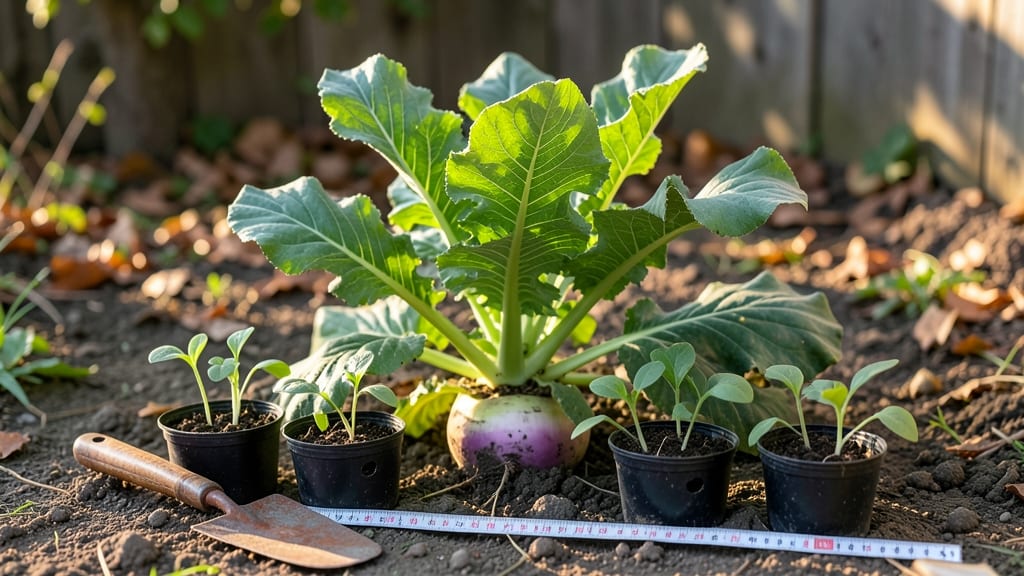
Planting turnips in the fall is your secret weapon for a sweeter, more tender harvest—if you time it just right. The magic happens when you sow these 🥕 roots 4-6 weeks before your first frost, giving them enough time to mature before winter sets in.
In USDA Zone 6a, that means late August to early September, but your exact window depends on your local climate and frost dates.
Why bother with fall turnips? Cooler temperatures actually improve their flavor and tenderness, while also reducing pest pressure that plagues summer gardens. Plus, these hardy vegetables can handle light frosts, making them one of the most reliable crops for late-season planting.
Whether you're a backyard gardener or working with raised beds, getting this timing right ensures you'll enjoy fresh, homegrown turnips long after summer's heat has faded.
But here's the catch: planting too early means your turnips might bolt or become bitter, while waiting too long could leave you with undersized roots.
The good news is that fall turnips are incredibly forgiving—you can start them from seeds directly in the garden or use transplants for a head start. With the right preparation, you'll have a steady supply of harvest-ready turnips just as other crops wind down for the season.
Ready to master the art of fall turnip planting? I'll walk you through everything you need to know—from calculating your exact planting window to choosing the best varieties for your climate.
Let's get those turnips in the ground at the perfect time for a harvest that'll make your kitchen the envy of the neighborhood.
The ideal fall planting window for turnips: 4-6 weeks before first frost explained
Timing your turnip planting is like nailing the perfect recipe—get it wrong, and you’re left with either bitter roots or a crop that never matures. The sweet spot for fall turnips is 4-6 weeks before your first frost date, ensuring they reach maturity before winter sets in.
This window balances growth time and frost tolerance, giving you tender, flavorful roots that sweeten as temperatures drop.
Turnips thrive in cool weather, making fall an ideal season. Unlike their spring counterparts, which can bolt in heat, fall-planted turnips develop sweeter flavors and firmer textures thanks to the crisp air.
But rushing the process by planting too early can lead to bolting (flowering prematurely), while waiting too long risks stunted growth before frost. Let’s break down the science behind this timing.
Your first step is to find your average first frost date. Check the USDA Plant Hardiness Zone Map for your location—most gardeners in Zones 3-8 can successfully grow fall turnips.
For example, in Zone 5, the first frost typically hits around October 15, so aim to plant September 1-15. Adjust this window based on your local climate data.
Soil temperature plays a critical role. Turnip seeds germinate best in soil that’s 45-85°F. In late summer, soil can still be too warm, slowing germination.
Wait until soil temps drop to 70°F or below—usually mid-to-late August in most regions—to ensure strong, consistent sprouting. Use a soil thermometer if you’re unsure.
Here’s the key: turnips need 60-80 days to mature. If you’re growing a fast-maturing variety (like Tokyo Cross), you can plant slightly later—closer to 3-4 weeks before frost. For slower varieties (like Purple Top White Globe), start 6 weeks out to guarantee a full harvest before winter.
Pro tip: If you’re in a warmer climate (Zones 9-10), where frost is rare, focus on heat tolerance instead. Plant turnips in late summer (August-September) to avoid the hottest months. In these regions, turnips can even overwinter with minimal protection, providing a spring harvest when temps rise again.
For gardeners in cooler climates (Zones 3-4), start seeds indoors 4-6 weeks before your outdoor planting date to give them a head start. Transplant seedlings outdoors when they’re 2-3 inches tall and soil temps are ideal.
This method extends your growing season and ensures a longer harvest window before winter.
Don’t forget to space your turnips properly—they need 2-4 inches apart in rows spaced 12-18 inches apart. Crowding leads to smaller roots and increased disease risk. Thin seedlings to the correct spacing once they’re 2 inches tall, using the thinned greens in salads—they’re delicious and nutritious!
Finally, consider succession planting for a continuous harvest. Sow a second batch 2-3 weeks after your initial planting to stagger maturity. This way, you’ll have turnips ready to pick over a 4-6 week period, ensuring your kitchen stays stocked with fresh, homegrown goodness.
With the right timing, your fall turnip crop will reward you with sweet, crisp roots that outshine their spring counterparts. The secret? Plan ahead, monitor soil temps, and adjust for your zone.
Soon, you’ll be harvesting turnips that taste like they were grown in a fairytale garden—because they were!
The ideal fall planting window for turnips: 4-6 weeks before first frost explained
Timing your fall turnip planting is all about working with Mother Nature's calendar. The golden window is 4-6 weeks before your first frost date, which gives your turnips enough time to mature while benefiting from cooler temperatures that enhance their sweetness.
In USDA Zone 6a, this typically means planting between late August and early September, but your exact dates depend on local frost patterns.
Turnips thrive when soil temperatures stay between 45°F and 85°F—too hot, and they bolt; too cold, and growth slows. The 60-80 day harvest window for most varieties means you'll need to adjust your planting schedule based on when you expect your first light frost.
For example, in Zone 5, you might plant as early as mid-August, while in Zone 7, late September could still work.
🌱Pro Tip: Check your local average first frost date using the USDA Plant Hardiness Zone Map or your county extension service. For a more precise estimate, use a frost calendar that accounts for microclimates in your area.
| USDA Zone | Planting Window | Soil Temp | Frost Buffer |
|---|---|---|---|
| Zone 3-4 | Late July - Early August | 50-75°F | 6+ weeks |
| Zone 5-6 | Late August - Early September | 45-80°F | 5-6 weeks |
| Zone 7-8 | Mid-September - Early October | 55-85°F | 4-5 weeks |
For early-maturing varieties (like Tokyo Cross), you can push your planting window slightly later—even as late as mid-October in warmer zones—since they'll reach harvest in just 45-50 days.
On the other hand, late-maturing varieties (like Purple Top White Globe) need that full 70-80 day window, so you'll want to plant them closer to late July or early August in cooler climates.
Don't forget that turnips can handle light frosts—in fact, a light frost sweetens their flavor—but a hard freeze will damage the plants. If you're in a transition zone where frosts are unpredictable, consider using row covers to extend your harvest window by 2-3 weeks.
This is especially useful if you're planting late in the season and want to squeeze out every possible day of growth.
🌿Key Takeaway: Your turnip planting date should align with your local frost date, soil temperature, and variety's maturity time. Use the chart above as a starting point, then adjust based on your specific climate.
With the right timing, you'll enjoy a bountiful harvest of sweet, tender turnips long after summer's heat has faded.