
Plants
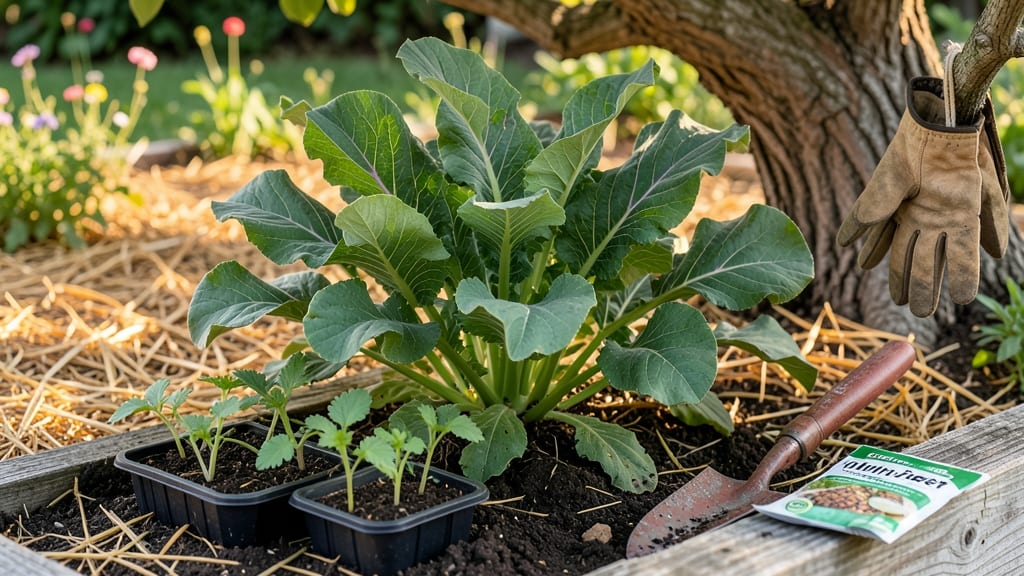
When do you plant turnip greens in Tennessee? Timing is everything when it comes to growing Turnip Greens 🥬 in Tennessee, where warm springs and early autumn frosts can make or break your harvest. Plant too early, and you risk bolting or bitter leaves; too late, and you might miss the sweet spot for tender, flavorful greens.
For Tennessee gardeners in zones 6a-7b, the ideal planting window is just 4-6 weeks before your last frost—typically March to April for spring crops. But don’t stop there: a second planting in August to September ensures a fall harvest before the first frost hits in October.
Why does this matter? Turnip Greens thrive in cooler weather but can handle some heat if you choose the right varieties. The key is balancing frost-free days with soil warmth—too hot, and they bolt; too cold, and growth slows.
I’ll show you how to nail the timing for two successful harvests every year.
Ready to grow crisp, peppery greens all season long? Let’s break down the exact steps to plant Turnip Greens in Tennessee’s climate, from soil prep to frost protection, so you never miss a harvest again.
Best planting times for turnip greens in Tennessee’s climate zones
Tennessee’s USDA zones 6b-8a create a unique challenge for growing turnip greens. Unlike cooler northern states, our long, hot summers and early fall frosts demand precise timing. Plant too early, and you’ll face bolting (flowering) from heat stress. Plant too late, and frost will ruin tender leaves before harvest.
My go-to strategy is planting twice a year: once in early spring (March-April) and again in mid-summer (August-September). This two-pronged approach ensures a continuous harvest from May through November, avoiding the peak summer heat that turns greens bitter.
Here’s the critical rule: Plant turnip greens 4-6 weeks before your last frost date for spring crops, and 60-70 days before your first frost for fall harvests. In Tennessee, that typically means March 15-April 15 for spring and August 1-15 for fall.
Use your local frost dates (check the Tennessee State Climatology Office) for precision.
For Zone 6b (eastern Tennessee), aim for March 1-April 1 spring planting and August 15-September 1 for fall. Zone 7a-8a (Middle/West Tennessee) can push spring planting to April 1-15 and fall to September 1-15 while still avoiding heat stress.
🌱
📅 Tennessee Turnip Greens Planting & Harvest Timeline
| Season | Planting Window | Harvest Window | Key Considerations |
|---|---|---|---|
| Spring | March 15 - April 15 | May - June | Avoid bolting; use shade cloth if temps exceed 85°F |
| Fall | August 1 - September 1 | October - November | Plant 70 days before first frost; protect from early frosts |
| Late Summer Succession | July 15 - August 15 | September - October | Extend harvest into cooler months; use row covers |
💡 Pro Tip: For Zone 8a, consider a third planting in late September for a winter harvest under row covers.
One common mistake I see is planting turnip greens too early in spring, hoping for an early harvest. But when soil temps dip below 45°F, germination slows dramatically. Use a soil thermometer to confirm temps are consistently above 50°F before sowing seeds.
For fall crops, focus on heat-tolerant varieties and succession planting every 2-3 weeks from August through September. This staggered approach ensures you’re always harvesting fresh, tender greens instead of facing a single overwhelming harvest that spoils before you can use it.
In southern Tennessee (Zone 8a), where summers are longer, I recommend skipping spring plantings entirely and focusing on fall and late summer crops. The heat tolerance of turnip greens drops sharply above 85°F, making spring growth risky unless you provide afternoon shade.
🌿
If you’re new to growing turnip greens in Tennessee, start with small test batches in both spring and fall. Track your local frost dates for 2-3 years to refine your planting schedule.
Over time, you’ll develop a personalized calendar that accounts for Tennessee’s microclimates—whether you’re in the cool Appalachian valleys or the warmer Memphis area.
Remember: Turnip greens are cold-hardy but not heat-tolerant. The key to success in Tennessee is timing—plant when temps are cool but not freezing, and you’ll enjoy months of homegrown greens without the bitterness or bolting that plagues off-season plantings.
Best planting times for turnip greens in Tennessee’s climate zones
Tennessee’s USDA zones 6b-7a create a unique challenge for growing turnip greens. Unlike cooler northern states, our long, hot summers and variable frost dates demand precise timing. Plant too early, and you’ll face bolting from heat stress; too late, and frost will ruin tender leaves.
The sweet spot? Two planting windows: early spring and late summer.
For a spring harvest, aim to plant 4-6 weeks before your last frost date—typically mid-March to early April in most of Tennessee. This gives seedlings time to establish before soil temperatures rise above 75°F, which triggers bolting.
In Zone 7a (eastern TN), you might start as early as late February under row covers.
Fall planting offers a second harvest window by sowing 60-70 days before your first frost. In Zone 6b, this means August 1-31, while Zone 7b gardeners can extend to mid-September.
Use shade cloth in late summer to protect seedlings from intense afternoon sun, which can scorch young leaves.
Pro tip: Succession plant every 2 weeks in both windows to ensure a continuous supply of tender greens. For example, if you plant March 15, follow up with April 1 and April 15 sowings. This staggered approach prevents overcrowding and maximizes your harvest before summer heat sets in.
Watch for frost warnings in late fall—turnip greens can tolerate light frosts (down to 28°F) but will wilt if frozen solid. If frost is forecast, harvest all mature leaves before temperatures drop. Young seedlings, however, are not frost-hardy and should be covered or transplanted if frost threatens.
Remember: Soil temperature matters more than air temperature. Use a soil thermometer to confirm 50-60°F before planting—cold soil delays germination. In Tennessee’s humid climate, also ensure good airflow between plants to prevent powdery mildew, a common issue in our summer heat.