
Plants
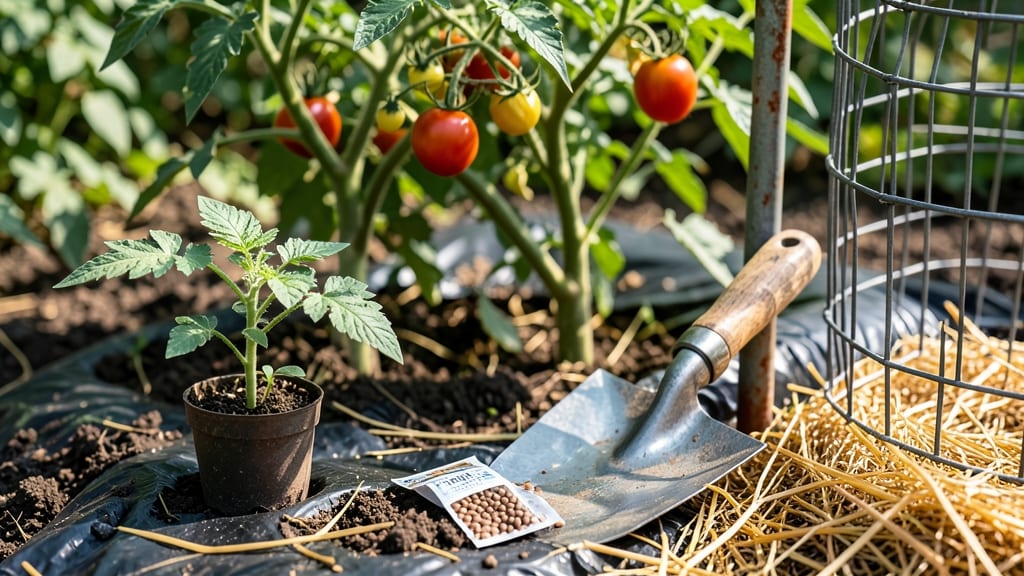
Planting tomatoes in North Carolina at the wrong time can mean the difference between a bountiful harvest and a sad, frost-nipped disappointment. With USDA zones 7a-8b and unpredictable spring weather, timing is everything—especially when your 🍅 plants need warm soil and frost-free nights to thrive.
Most gardeners in North Carolina wait until mid-April to early June to transplant seedlings, but that window shifts depending on your exact location. Whether you're in the Piedmont or Coastal Plain, knowing your last frost date is the key to avoiding stunted growth or worse.
I’ll break down the exact dates you need to maximize your harvest and keep those vines productive from June through October.
You don’t have to guess whether your soil is warm enough or if a late frost is lurking around the corner. This guide covers everything from soil prep to adjusting for early or late varieties, so you can confidently plant with zero risk of frost damage.
Let’s get those tomatoes in the ground at the perfect moment—because timing isn’t just about when, but how.
Ready to turn your garden into a tomato powerhouse? I’ll walk you through the steps to extend your growing season, choose the right varieties for your zone, and even troubleshoot common pitfalls. By the end, you’ll know exactly when to plant for a harvest that rivals any farmers' market find.
North Carolina planting zones and tomato frost-free dates by county
North Carolina spans USDA hardiness zones 5-8, meaning your last frost date can vary by 3-4 weeks depending on where you live. Planting tomatoes too early risks frost damage, while waiting too long cuts your harvest window.
I’ve broken down the key regions—from the mountains to the coast
Most of NC’s gardeners plant tomatoes after April 15, but this shifts earlier in the Piedmont (Zone 7) and later in the mountains (Zone 6). For example, Asheville (Zone 7a) typically sees its last frost by April 10, while Wilmington (Zone 8a) can safely plant by March 20. Always verify your local frost dates using the NC State Climate Office or Almanac’s Frost Calculator. For mountain gardeners (Zones 6-7a), aim to transplant after May 1 unless you use row covers to protect seedlings. In Zone 8 (coastal areas), you can even plant early varieties in February under cover. Always check soil temperatures—tomatoes need at least 60°F (15°C) to thrive. Use a soil thermometer to confirm before planting. Pro tip: Start seeds indoors 6-8 weeks before your last frost date. For example, Raleigh gardeners should begin seeds by March 1, while Asheville gardeners wait until March 15. This ensures seedlings are 3-4 inches tall with 4-5 true leaves before transplanting. If you’re unsure about your exact frost date, err on the side of caution. Late April plantings in most of NC guarantee zero frost risk and align with peak tomato production. For early varieties like 'Early Girl' or 'Stupice', you can push dates slightly earlier, but avoid planting before April 1 unless you’re using season extenders. Remember: Tomatoes are heat lovers, so planting too late in June or July can lead to blossom drop or poor fruit set during NC’s summer heat waves. Stick to the recommended windows above for optimal yields and flavor. For container growers, adjust planting dates by 1-2 weeks earlier since pots warm up faster. Place containers in south-facing spots and use black plastic mulch to raise soil temperatures. This trick works especially well for coastal gardeners who want to start earlier. Finally, keep an eye on weather forecasts in late April. A late frost warning can delay planting by 1-2 weeks, but don’t panic—tomato plants are resilient if protected. Use frost cloth or row covers to shield seedlings if needed. Now that you’ve got your planting dates locked in, your next step is choosing the right tomato varieties for your NC zone. Heat-tolerant types like 'Celebrity' or 'Solar Fire' thrive in the Piedmont and coast, while 'Mountain Merit' handles cooler mountain climates better. 🌱
How to adjust planting dates for early vs late tomato varieties in NC
North Carolina’s short growing season means choosing the right tomato varieties—and planting them at the perfect time—can make or break your harvest. Early varieties like ‘Early Girl’ or ‘Stupice’ mature in just 60-65 days, while late-season varieties such as ‘Brandywine’ or ‘Cherokee Purple’ take 80-90 days or longer.
Planting early varieties too late or late varieties too early can leave you with a harvest gap—or no harvest at all.
For early varieties, aim to transplant seedlings 2-3 weeks after your last frost date (typically mid-April to early May in most of NC). These fast growers can handle cooler soil temperatures and still produce fruit before summer heat peaks.
In contrast, late varieties need a longer growing season, so transplant them 4-6 weeks before your first expected frost (usually late May to early June in cooler zones like the Mountains).
Here’s the key: Succession planting lets you stagger your harvest. Start with early varieties in April, then follow with mid-season varieties (like ‘Better Boy’) in May, and finish with late varieties in early June.
This way, you’ll have tomatoes ripening from June through October—no lulls in your fresh supply!
Don’t overlook heat-tolerant varieties for late summer planting. Types like ‘Solar Fire’ or ‘Heatmaster’ thrive in NC’s 90°F+ temperatures and can even be direct-sown in late June for a fall harvest. These varieties are your secret weapon against summer’s brutal heat and early frost risks.
Pro tip: Check your last frost date (use the summary table in Section 1) and count backward from your variety’s days to maturity. For example, if your last frost is April 15 and you’re planting ‘Early Girl’ (60 days), transplant by March 1 to ensure a June harvest.
Adjust for your zone—cooler mountain regions may need a 2-week earlier start.
Timing isn’t just about dates; it’s about soil warmth too. Tomatoes won’t thrive in cold soil (<50°F). Use a soil thermometer to confirm temperatures are at least 60°F before planting.
In cooler zones, wait until late May or even June to avoid stunted growth. Patience here pays off with bigger, healthier plants.
Finally, container growing gives you flexibility. If your garden bed is slow to warm, grow tomatoes in black pots or fabric grow bags, which absorb and retain heat better.
Just be ready to move containers indoors if frost threatens—even late in the season. With these adjustments, you’ll turn NC’s unpredictable climate into a tomato-growing advantage.
Plant mid-April to early May for June harvests. Best for cooler zones (e.g., Asheville).
Transplant late May to early June for July-August harvests. Ideal for Piedmont and Coastal Plain.
Plant early June for September-October harvests. Choose heat-tolerant types for fall.
Space transplants 2 weeks apart to extend harvests. Example: Early Girl (April 15), Better Boy (May 1), Brandywine (June 1).
Direct-sow ‘Solar Fire’ in late June for fall harvests. Thrives in 90°F+ heat.