
Flowers
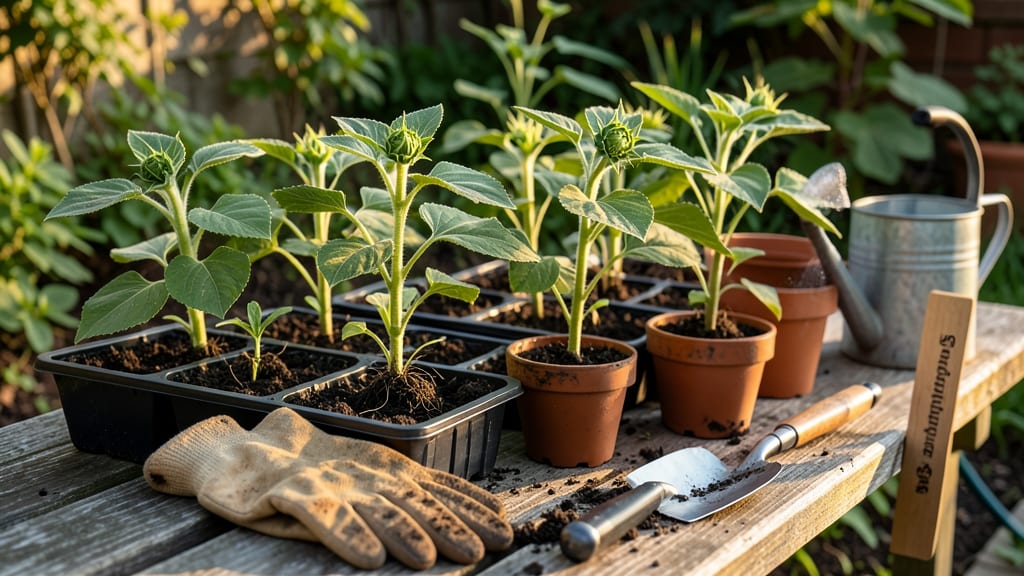
Planting sunflowers in Alabama at the wrong time can mean the difference between towering 🌻 blooms and stunted, frost-bitten failures. With USDA zones 7b-8b offering a long growing season, you’ve got two prime windows—but timing matters more than you’d think.
Most gardeners in Alabama reach for their seeds between mid-March and early May for spring planting, but late July to early August is your secret weapon for summer blooms. The key? Waiting until soil temperatures hit 50°F—any earlier, and you risk poor germination from lingering cold.
Why does this matter? Because sunflowers thrive on heat, and Alabama’s unpredictable spring showers can turn your best intentions into soggy soil struggles. I’ll show you exactly how to align your planting with Alabama’s frost-free timeline to guarantee those 6-foot-tall giants you’ve been dreaming of.
From coastal breezes to inland heat, we’ll cover regional tweaks so you can plant with confidence—whether you’re growing dwarf varieties for containers or Russian Giants as privacy screens. Let’s make sure your sunflowers get the head start they deserve.
Alabama sunflower planting calendar: month-by-month zero-frost timeline
Alabama’s USDA Zones 7b-8b give sunflowers a 210-day frost-free window, but timing matters to avoid late spring frosts or summer heat stress. North Alabama’s last frost typically hits March 15, while South Alabama enjoys 2-3 weeks earlier planting.
Here’s your month-by-month guide to planting sunflowers without frost damage.
Start seeds indoors 2-3 weeks before your last frost date if using slow-germinating varieties. For direct sowing, wait until soil temperatures hit 50°F—use a soil thermometer to check.
In Alabama, this usually aligns with mid-March to early May for spring plantings and late July to early August for summer varieties.
| Month | Planting Window | Soil Temp Requirement | Frost Risk | Best Varieties |
|---|---|---|---|---|
| February | Indoor starts only (North AL) | N/A (indoor) | High (late frosts) | 'Teddy Bear' (dwarf) |
| March | Direct sow after last frost (South AL) or indoor transplant (North AL) | 50°F+ | Moderate (early March) | 'Autumn Beauty' |
| April | Prime planting month (statewide) | 55°F+ | Low | 'Russian Giant' |
| May | Late spring option (fast varieties only) | 60°F+ | None | 'Moulin Rouge' |
| July | Summer replant for late blooms | 65°F+ | None | 'ProCut' (heat-tolerant) |
| August | Final summer planting (fast varieties) | 70°F+ | None | 'Sunspot' (dwarf) |
For North Alabama gardeners, focus on March-April plantings to avoid April frosts that can kill young seedlings.
Use row covers if planting in early March for extra protection. South Alabama can start as early as late February for early blooms, but avoid planting after May 15—summer heat will stress mature plants.
Sunflowers thrive in Alabama’s summer heat, but late summer plantings (July-August) require heat-tolerant varieties like 'ProCut' or 'Autumn Beauty'. These varieties handle 90°F+ temperatures better than standard types. Space 12-18 inches apart for giant varieties to prevent root competition and stem lodging.
Use microclimate knowledge to adjust timing: Valley areas (like the Tennessee Valley) may experience later frosts than coastal regions.
Monitor local weather forecasts and plant 2-3 weeks after your area’s average last frost date for safety. Urban heat islands can also push planting 1-2 weeks earlier—test soil temps before committing.
Alabama’s humidity levels (often 70-80%) can slow germination, so pre-soak seeds for 4-6 hours before planting. Mix seeds with sand for even spacing—sunflowers germinate best when 1 inch deep in well-draining soil. Add compost to improve moisture retention during Alabama’s dry spells.
Extend your sunflower season by planting successive batches every 2-3 weeks from March through August. This ensures continuous blooms from June through October. For fall harvests, aim for July-August plantings—these will mature just before first frost in November.
Pro tip: Mark your calendar for August 15 as the absolute last planting date for most Alabama regions. After this, days grow too short for sunflowers to mature before frost. Use fast-maturing varieties
How to choose sunflower varieties for Alabama’s climate: dwarf vs. giant vs. heat-tolerant
Alabama’s hot summers and humid climate demand sunflower varieties that thrive in USDA Zones 7b-8b. The wrong choice can lead to stunted growth or early bolting—so selecting the right type is critical.
Dwarf varieties like 'Teddy Bear' (2-3 ft tall) work well for containers, while giant types like 'Russian Giant' (10-14 ft) need space and sturdy stakes to handle Alabama’s summer winds.
Heat-tolerant hybrids such as 'Autumn Beauty' or 'Moulin Rouge' produce bold blooms even in 90°F+ temperatures, making them ideal for Alabama’s peak summer months. If you’re planting in late July or August, prioritize varieties with shorter maturity times (50-60 days) to ensure blooms before first frost in November.
Here’s how to match varieties to your Alabama garden’s needs—from space constraints to disease resistance:
| Variety | Height | Best Planting Window | Alabama Advantage |
|---|---|---|---|
| Teddy Bear (Dwarf) | 2-3 ft | March–May, July–August | Container-friendly, drought-tolerant |
| Russian Giant | 10-14 ft | March–April only | Massive blooms, late-summer harvest |
| Autumn Beauty | 5-6 ft | March–June, July | Heat-resistant, multi-colored blooms |
| Moulin Rouge | 6-8 ft | April–May, July | Disease-resistant, vibrant red blooms |
Avoid tall, late-maturing varieties like 'Mammoth Russian' if you’re in North Alabama, where shorter growing seasons limit their success. Instead, opt for 'ProCut' (4-5 ft), a disease-resistant hybrid bred for commercial cut flowers but perfect for Alabama home gardens.
For coastal Alabama, where high humidity increases powdery mildew risk, choose 'Soraya' or 'Evening Sun'. These varieties boast better air circulation and thicker foliage, reducing fungal pressure. Always space plants 12-18 inches apart to improve airflow and prevent crowding.
Pro tip: If you’re planting in late summer (July–August), select quick-maturing varieties like 'Sunspot' (50-day harvest) to ensure blooms before first frost. Pair them with dwarf varieties for a compact, frost-resistant display.
🌱