
Plants
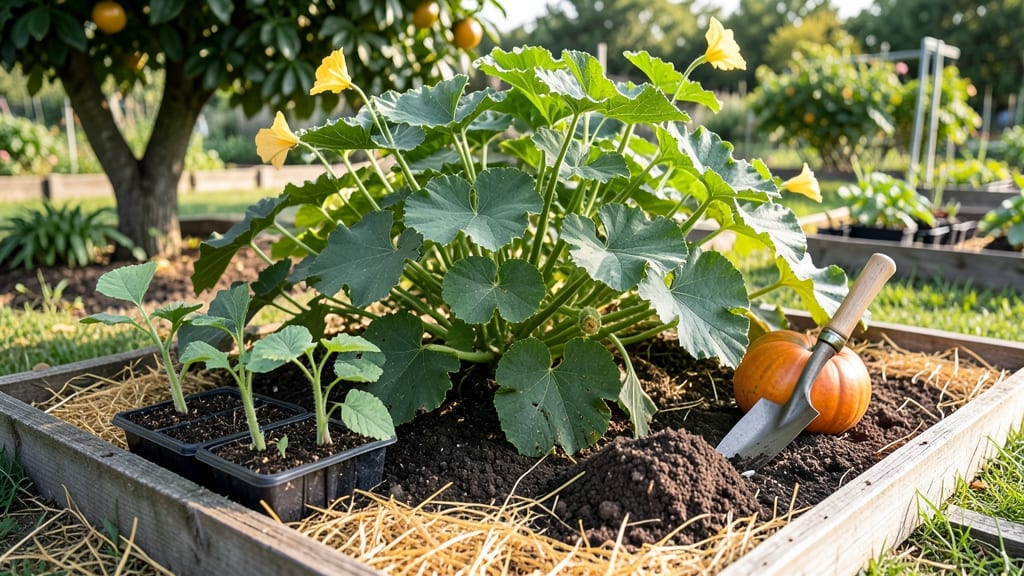
Planting pumpkins in Illinois isn't just about grabbing seeds and sticking them in the ground—it's about catching that perfect soil temperature window to ensure fast germination and a thriving harvest. With USDA zones 5a-6b and unpredictable spring weather, timing matters more than you might think.
If you plant too early, cold soil can leave your seeds sitting there for weeks, waiting for warmth to kick in. Too late, and your pumpkins might not mature before the first frost hits in October.
The key? Waiting until the soil reaches at least 60°F—usually between mid-April and early June after the last frost.
I've learned the hard way that rushing the process can lead to slow starts or even failed crops. But when you get it right, you're rewarded with vibrant 🎃 vines and pumpkins ready for harvest by fall.
Let's break down exactly how to time your planting for success in Illinois' climate.
From checking soil temperatures to choosing the right varieties, I'll walk you through every step to give your pumpkins the best possible start. You'll discover how to prepare your garden, avoid common mistakes, and maximize your chances of a bountiful harvest—all tailored specifically for Illinois growers.
Ideal soil temperature and planting dates for Illinois pumpkin success
Pumpkins thrive when planted in warm soil—aim for 60-90°F for optimal germination. In Illinois, this typically means waiting until mid-April to early June, after the last frost date. Northern Illinois (USDA zones 5a-5b) has a shorter growing season, while southern regions (6a-6b) can start earlier.
Soil temperature is more critical than air temperature. Use a soil thermometer to confirm readiness—pumpkin seeds won’t sprout reliably below 60°F. In cooler zones, consider black plastic mulch to warm the soil faster. This trick can shave off critical weeks in your growing season.
For northern Illinois, late May is often the safest bet, while southern regions can start as early as mid-April. Always check your local last frost date (typically April 15 for central Illinois) and count backward from your first frost (usually October 15) to estimate your frost-free window.
Illinois’ varied climate means microclimates matter. Urban areas like Chicago may experience 2-3°F cooler soil temps than rural spots. Elevation also plays a role—higher areas stay cooler longer. Adjust your planting timeline accordingly to avoid slow germination or blossom-end rot.
Here’s how Illinois’ climate zones break down for pumpkin planting:
| Climate Zone | Last Frost Date | Ideal Planting Window | Soil Temp Goal | Notes |
|---|---|---|---|---|
| Northern IL (5a-5b) | May 1-15 | Late May to early June | 65-75°F | Shorter season; choose fast varieties |
| Central IL (6a) | April 15-30 | Mid-April to late May | 60-80°F | Balanced season; versatile options |
| Southern IL (6b) | April 1-15 | Early April to early June | 60-90°F | Longer season; try larger varieties |
Don’t assume all pumpkin varieties perform equally in Illinois. Fast-maturing varieties (75-90 days) like 'Jack Be Little' or 'Sugar Pie' are ideal for northern regions, while larger varieties (90-120 days) like 'Howden' or 'Cinderella' suit southern areas.
Always match your variety to your frost-free days—Illinois typically offers 165 days.
For a second harvest, try fall planting in late July. This works best in southern Illinois where summers are hot enough to establish roots before frost. Use black plastic mulch again to maintain soil warmth and extend the season by 2-3 weeks.
Pro tip: If your soil stays cool, try warm-starting seeds indoors 2-3 weeks before transplanting. Use biodegradable pots to avoid root disturbance. Harden off seedlings for 7-10 days before moving them to the garden when soil hits 60°F.
Remember, pumpkins need consistent warmth to thrive. Even if air temps rise, cold soil will stall germination. Always prioritize soil temperature over calendar dates for the best results in your Illinois garden. 🎃
Ideal soil temperature and planting dates for Illinois pumpkin success
In Illinois, pumpkin seeds need soil that's warmed to 60°F or higher for reliable germination. This typically happens between mid-April and early June, right after the last frost date.
Northern Illinois (zones 5a-5b) usually waits until late April, while southern Illinois (zones 6a-6b) can start planting as early as early April.
I've found that using a soil thermometer is the most accurate way to check readiness. Simply insert it 2-3 inches deep in the soil and wait for consistent readings above 60°F. This small investment saves hours of guesswork and ensures your seeds get off to a strong start.
For a visual guide, here's how planting windows compare across Illinois:
| Region | USDA Zone | Last Frost | Planting Window | Soil Temp |
|---|---|---|---|---|
| Northern Illinois | 5a-5b | Mid-April | Late April - Early May | 60-65°F |
| Central Illinois | 5b-6a | Early April | Early April - Late May | 60-70°F |
| Southern Illinois | 6a-6b | Early April | Early April - Early June | 65-75°F |
Remember that Illinois' unpredictable spring weather can throw off your timing. If you're in doubt, opt for fast-maturing varieties like 'Jack Be Little' (75 days) or 'Sugar Pie' (80 days) to ensure harvest before the first frost in mid-October.
For an extra buffer, consider starting seeds indoors 2-3 weeks before your target outdoor planting date. This gives you a head start on the growing season, especially if you're in northern Illinois where springs tend to be cooler.
Once your soil hits the right temperature, don't delay! Pumpkin seeds lose viability quickly in warm soil, so plant them within 1-2 days of reaching 60°F for best results.