
Companion Plants
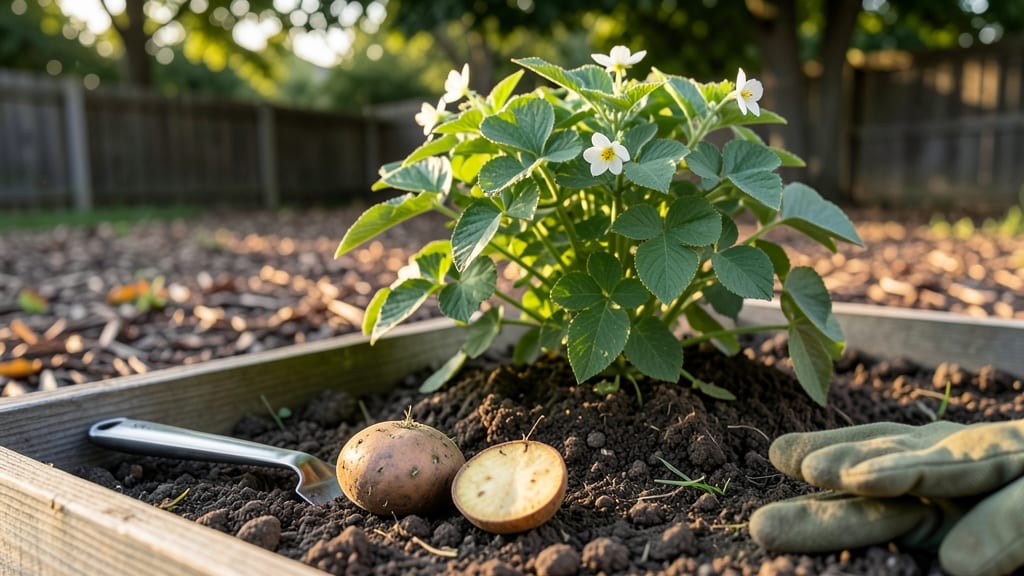
When do you plant potatoes in Pennsylvania? Timing your potato planting isn't just about checking a calendar—it's about reading your soil's secret signals. In Zone 6a, where frosts linger until mid-April, planting too early can leave your 🥔 sprouts vulnerable, while waiting too long risks a shorter growing season.
The key? Soil temperatures between 50-55°F—that's when those little eyes wake up and start growing.
Most gardeners in PA make the mistake of following calendar dates instead of soil conditions. But here's the game-changer: even if your neighbor in Philadelphia plants in early March, your Pittsburgh garden might need to wait another 2 weeks for the ground to warm enough.
That's why I'll show you exactly how to test your soil temperature and adjust your planting schedule for maximum success.
What you're about to discover isn't just theory—it's practical advice that will help you avoid common PA pitfalls like late blight risks and ensure your potatoes develop quickly before summer heat sets in.
Whether you're a first-time gardener or a seasoned grower, these soil temperature triggers will help you time your planting for the fastest, most reliable harvest.
Let's get your potatoes in the ground at exactly the right moment—because in Pennsylvania's variable climate, getting this timing right could mean the difference between a bountiful harvest and a season of disappointment. Ready to learn the exact method that works for PA gardens?
Optimal planting times in PA based on soil temperature (not just calendar dates)
Pennsylvania’s variable climate makes planting potatoes tricky—what works in Philadelphia’s Zone 7b may fail in Erie’s Zone 5b. Instead of relying on calendar dates, focus on soil temperature, which triggers germination. Aim for 50–55°F soil temps—any colder, and your seed potatoes won’t sprout.
In most of PA, this window falls between late March and early April, but southern counties (like Chester or Lancaster) can start as early as mid-February under frost cloth. Northern areas (e.g., Pittsburgh or Scranton) may need to wait until mid-April to avoid frost damage.
Here’s the key: Soil warms faster than air. A 50°F soil temp might coincide with 40°F air temps—so don’t rush! Use a soil thermometer ($10 at garden centers) to confirm readiness. Planting too early risks rotten tubers from cold, wet soil.
Pro tip: Early varieties (like ‘Yukon Gold’ or ‘Red Norland’) mature in 90 days, so they’re ideal for PA’s shorter growing season. Plant them 2–3 weeks earlier than late varieties (e.g., ‘Russet’) to avoid frost cutting harvests short.
For a second crop, try late-June plantings in southern PA—choose fast-maturing varieties (e.g., ‘Kennebec’) and harvest before the first frost (usually mid-October). Cover young plants with lightweight row covers if night temps dip below 45°F.
Watch for false springs—PA’s weather can swing wildly. If unseasonable warmth arrives in February, resist the urge to plant early. Wait until soil temps stabilize above 50°F for 5 consecutive days to ensure consistent germination.
In urban gardens (e.g., Philadelphia’s raised beds), soil warms 2–3 weeks faster than in-ground plots. Adjust your planting date earlier by 10–14 days if using containers or elevated beds, as they heat up quicker.
Remember: Potatoes need 120–140 days to mature, so time your planting to finish before the first frost. In PA, that means starting no later than July 1 for a second crop—any later, and you’ll risk underdeveloped tubers.
🌱
Optimal planting times in PA based on soil temperature (not just calendar dates)
Pennsylvania’s USDA Zone 6a climate means your potato planting window hinges on soil temperature, not just the calendar. Unlike warmer states, cold snaps can linger into April, while southern PA (like Philadelphia) may thaw weeks earlier than Pittsburgh.
The key? Plant when soil hits 50-55°F—this triggers germination and tuber development.
Most gardeners assume St. Patrick’s Day (March 17) is the magic date, but that’s risky without checking soil temps. In northern PA, wait until late April; in southern PA, early March works.
Use a soil thermometer ($10 at garden centers) to avoid planting too soon—cold soil delays sprouting by weeks.
| Region | Ideal Planting Window | Soil Temp Trigger | Last Frost Risk |
|---|---|---|---|
| Northern PA (Erie, State College) | Late April – Early May | 50–55°F (consistent) | High (May 1) |
| Central PA (Harrisburg, Lancaster) | Mid-April – Late April | 50–55°F (3+ days) | Moderate (April 15) |
| Southern PA (Philadelphia, Allentown) | Early March – Mid-April | 45–50°F (germination starts) | Low (April 1) |
🌱 Pro Tip: For early harvests, plant Yukon Gold or Red Pontiac (60–90 days to maturity) when soil hits 45°F—even if night temps dip.
For second crops, Pennsylvania’s shorter growing season demands quick-maturing varieties. After your first harvest in August, replant early-season potatoes like ‘Early White’ (60 days) or ‘New Potato’ (70 days) by mid-July. Use black plastic mulch to warm soil faster—this extends your harvest window by 3–4 weeks.
Timing isn’t just about frost—it’s about light exposure. Potatoes need 6+ hours of sun daily, but in PA’s cloudy springs, prioritize south-facing beds.
If your garden gets less than 6 hours, choose container-friendly varieties like ‘Red LaSoda’ (compact growth) and place pots near a south window.
One common mistake? Planting too deep to avoid frost. In PA, bury seed potatoes 4 inches deep—any deeper delays sprouting. Instead, use straw mulch (6 inches thick) to insulate soil. This keeps roots warm while protecting tender shoots from late frosts.
Track your progress with a planting journal: Note soil temps, sprouting dates, and harvest yields. In Zone 6a, aim for 90–120 frost-free days. If your season runs short, opt for ‘Kennebec’ (110 days) over ‘Russet’ (130 days)—it matures faster without sacrificing yield.