
Plants
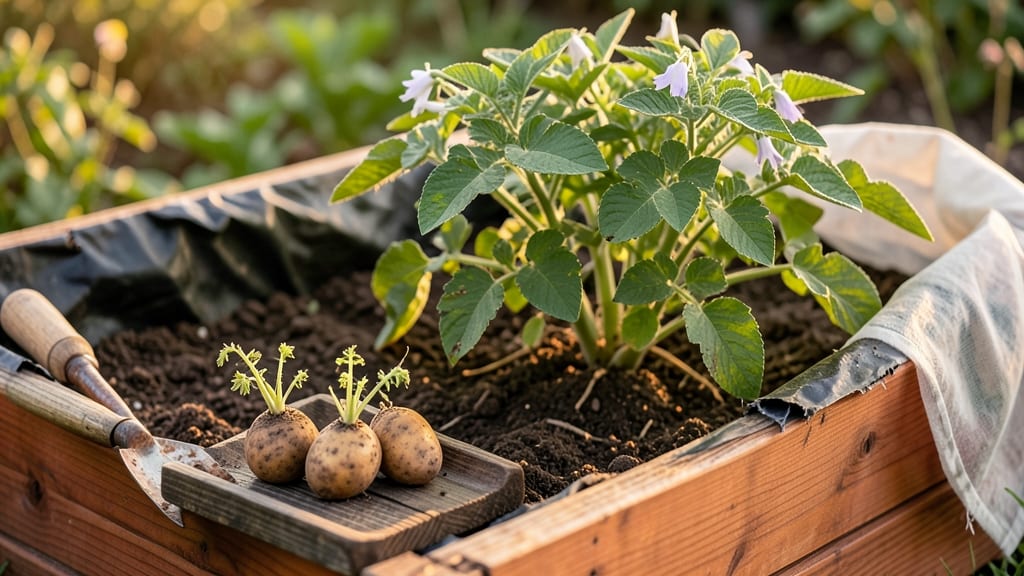
If you're asking "when do you plant potatoes in Iowa", timing is the difference between a bountiful harvest and a sad, frost-bitten disappointment.
Iowa’s 5a climate zone means potatoes need to go in the ground at just the right moment—too early, and late frosts will ruin your crop; too late, and you’ll miss peak growing season.
Most Iowa gardeners plant their 🥔 potatoes between mid-April and early May, after the last frost date (usually around April 15). But here’s the catch: soil temperature matters more than the calendar. Aim for 45°F or warmer—cold soil stunts growth, leaving you with puny tubers.
In this guide, I’ll break down the perfect planting window for your specific Iowa region, plus how to adjust for early vs. late varieties. You’ll also learn how to prep your soil, choose the right potatoes for your area, and avoid common mistakes that waste your hard work.
Ready to grow potatoes that rival your neighbors’? Let’s get started with the science-backed timing that’ll turn your garden into a zero-frost success story.
Iowa’s ideal potato planting window: frost dates by region
Iowa’s USDA hardiness zones 4a-5b create a 3-4 week window for planting potatoes, but timing varies dramatically between northern and southern regions. The key is planting 4-6 weeks after your last average frost date, when soil temps hit 45°F+.
In Des Moines (Zone 5b), this typically lands in mid-April, while Sioux City (Zone 4a) waits until late April or early May.
Southern Iowa’s warmer microclimates—like along the Mississippi River valley—often see earlier safe planting dates (as early as late March). Meanwhile, northern Iowa’s shorter growing season demands early-maturing varieties like ‘Red LaSoda’ (90 days) to avoid first frost risks in October.
For fall planting (less common but possible), aim for late July to early August—giving tubers 90-120 days to mature before winter. This works best in southern Iowa where first frosts arrive later.
Use local Almanac frost charts or Iowa State Extension resources to pinpoint your exact last frost date. For example, Cedar Rapids (Zone 5a) averages April 20, while Davenport (Zone 5b) is often April 10.
| Iowa Region | USDA Zone | Avg. Last Frost | Ideal Planting Window | Best Varieties |
|---|---|---|---|---|
| Northern Iowa (Sioux City) | 4a | May 1 | Late April–Early May | Red LaSoda, Kennebec |
| Central Iowa (Des Moines) | 5b | April 15 | Mid-April–Early May | Yukon Gold, Russet Burbank |
| Southern Iowa (Davenport) | 5b-6a | April 10 | Late March–Mid-April | Sweet Potato, Fingerling |
| Fall Planting (All Regions) | 4a-5b | N/A | Late July–Early August | Early Girl, Norland |
🌱 Pro Tip: Adjust for microclimates—low areas frost later; hills warm faster.
If you’re new to Iowa gardening, err on the later side of the window. Early planting risks frost damage to emerging sprouts, while late planting may not yield mature tubers before winter. For northern counties, prioritize early-maturing varieties (under 90 days) to guarantee harvests.
Check soil temperature with a soil thermometer—potatoes need consistent 45°F+ for 2 weeks before planting. Cold soil slows sprouting and increases disease risks. In 2023, northern Iowa saw late frosts in May, costing gardeners 30% of early plantings.
For urban gardeners in Des Moines or Cedar Rapids, consider container growing to extend seasons. Containers warm faster in spring, letting you plant 2-3 weeks earlier than in-ground beds. Just use well-draining mix and 5-gallon pots per plant.
Watch for local weather patterns—Iowa’s unpredictable spring can swing from 60°F to 20°F in a week. Use row covers or cold frames to protect young plants if frost threatens after planting.
Remember: Potatoes grow best in cool weather (60-75°F). Planting too late in June or July can lead to small, misshapen tubers as summer heat stresses the plants. Aim for May planting in most of Iowa for optimal yields
How to time potato planting for maximum yield in Iowa’s climate
Timing your potato planting isn’t just about avoiding frost—it’s about giving your crop the perfect growing window for maximum yield. In Iowa, where soil temperatures can fluctuate wildly, planting too early (when soil is below 45°F) stalls growth, while waiting too long shortens the harvest season.
The key? Start planting 4-6 weeks after your last frost date, but with a few pro tips to fine-tune for your specific Iowa region.
First, chit your seed potatoes (sprout them indoors) 2-4 weeks before planting. This gives you a 10-14 day head start on growth once they’re in the ground. Place whole seed potatoes in a cool, bright spot—no light needed—and watch for 1-inch sprouts before transplanting.
For Iowa’s northern zones (4a-5a), this means starting chitting in early March.
Next, use soil thermometers to confirm readiness. Potatoes thrive in soil at 45°F or warmer. In Des Moines (Zone 5b), this usually aligns with mid-April to early May, but in Sioux City (Zone 4b), wait until late April to early May when soil finally warms.
Pro tip: Plant early varieties like Yukon Gold first—they mature in 90 days, giving you time to squeeze in a second crop of late-season Russets if your season stretches long.
🌱 Iowa Potato Planting Pro Tips
- 📅 Plant early varieties (60-90 days) in mid-April for July harvests.
- 🌡️ Wait for 45°F+ soil—use a soil thermometer to avoid cold stress.
- 🛡️ Extend northern Iowa’s season with row covers or cold frames for earlier planting.
- 🌱 Chit seed potatoes indoors for faster emergence in cool springs.
- 🌿 Mulch heavily to retain soil warmth and prevent greening.
For gardeners in northern Iowa (Zones 4a-4b), where frost lingers later, consider using row covers or cold frames to plant 2-3 weeks earlier than the traditional window. These tools raise soil temperatures by 5-10°F, accelerating growth. Just remove covers when flowers appear to prevent overheating.
In southern Iowa (Zone 5b), you can even experiment with fall planting for a winter harvest—plant 6-8 weeks before first frost (early October) for tubers to mature before cold sets in.
Finally, adjust your planting schedule based on your potato variety. Early maturing types (e.g., Red Norland) can handle late spring planting (even June) and still yield by early fall. Meanwhile, late-season varieties (e.g., Kennebec) need early April starts to reach maturity before frost.
Always check your seed packet for days to maturity and work backward from your average first frost date (October 15 in most of Iowa).
By mastering these Iowa-specific timing tricks, you’ll transform your potato patch from hit-or-miss to consistently bountiful. The secret? Pay attention to soil temperature, choose the right varieties, and use season-extending tools when needed. Your future harvest will thank you! 🥔